Why Hiring a Wedding Planner Is Even MORE Important for Non-Traditional Weddings
Non-traditional weddings aren’t actually simpler to plan. Without a standard format to follow, everything has to be created intentionally, which is where things can either feel clear and supported… or quickly overwhelming.
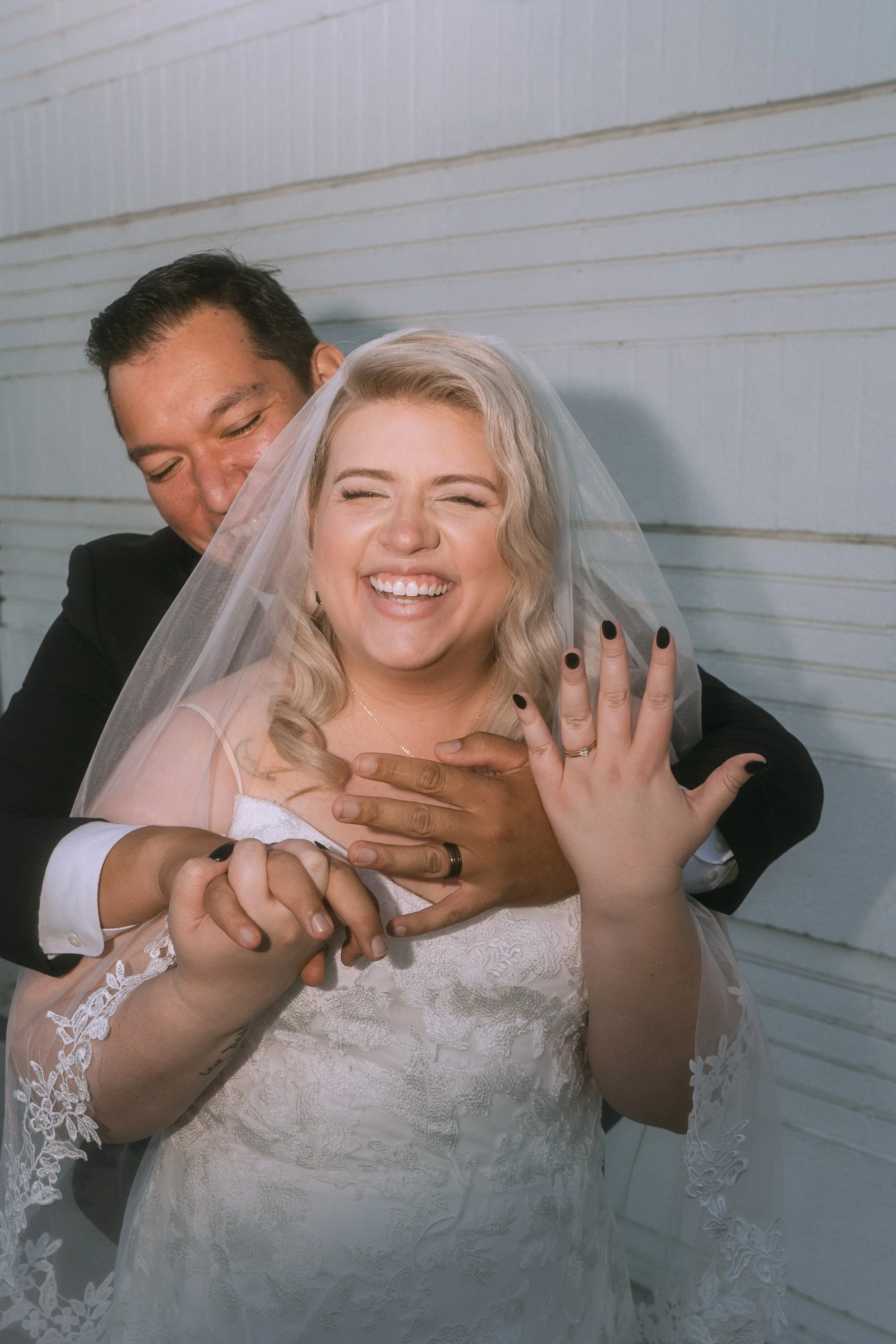
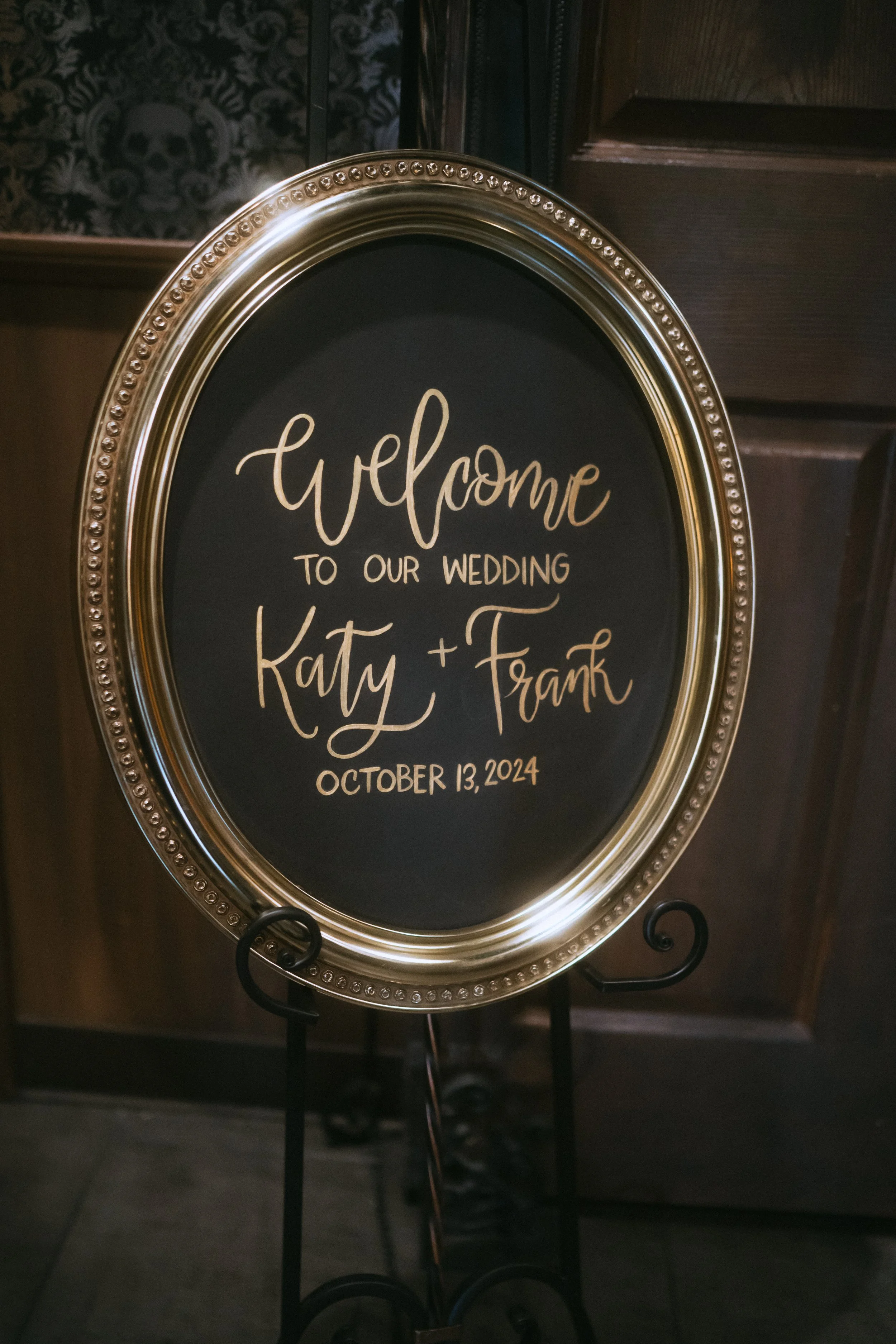
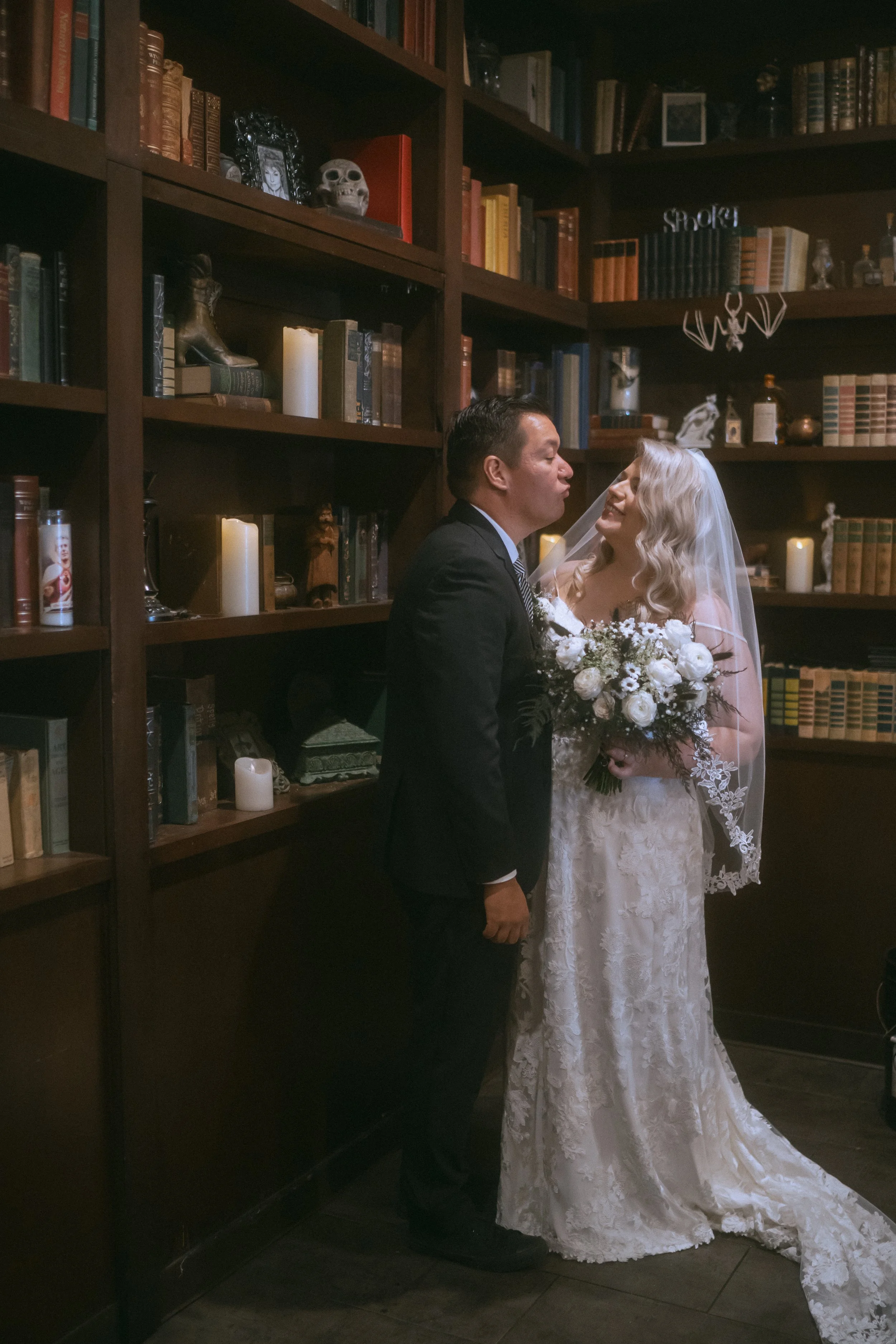
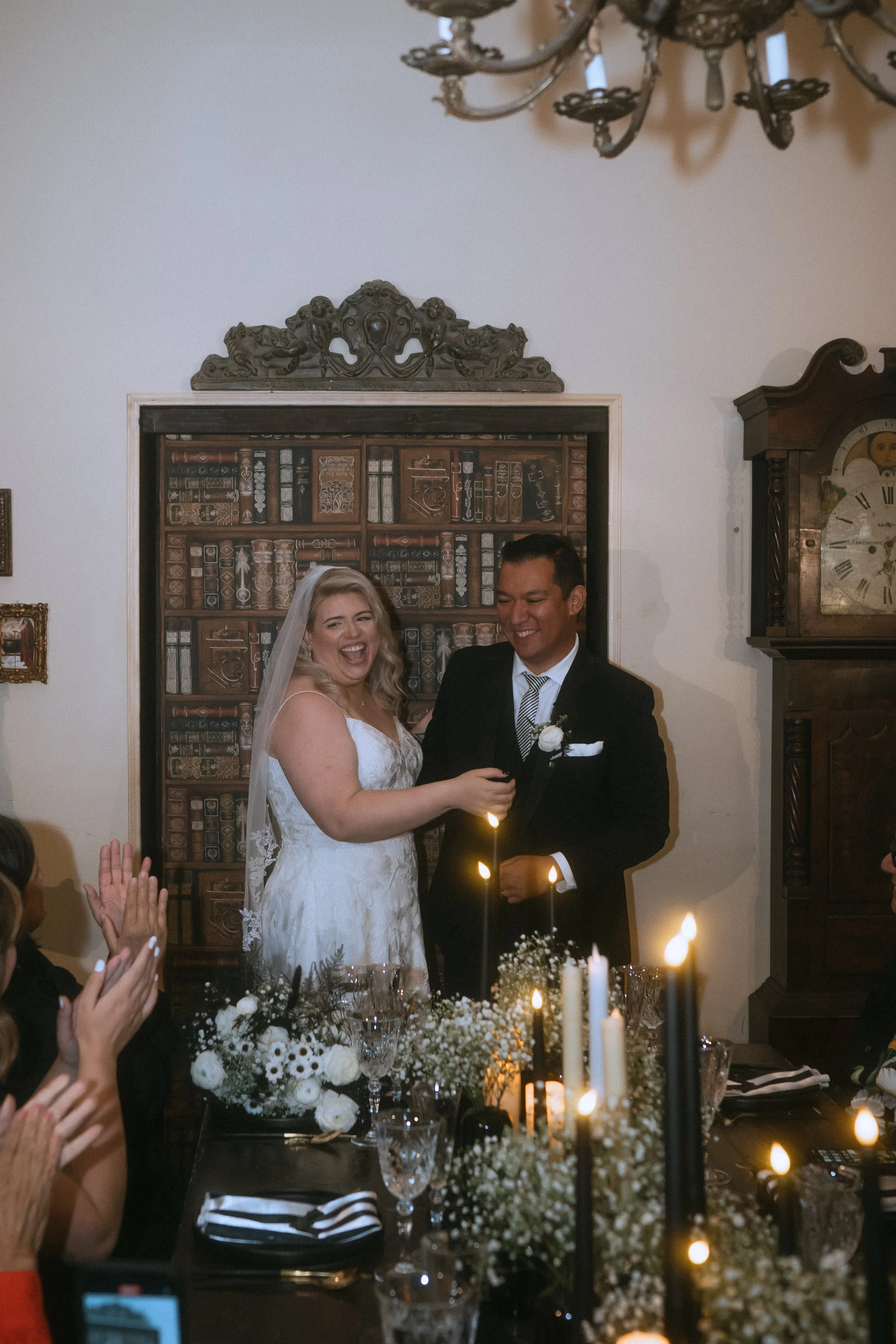
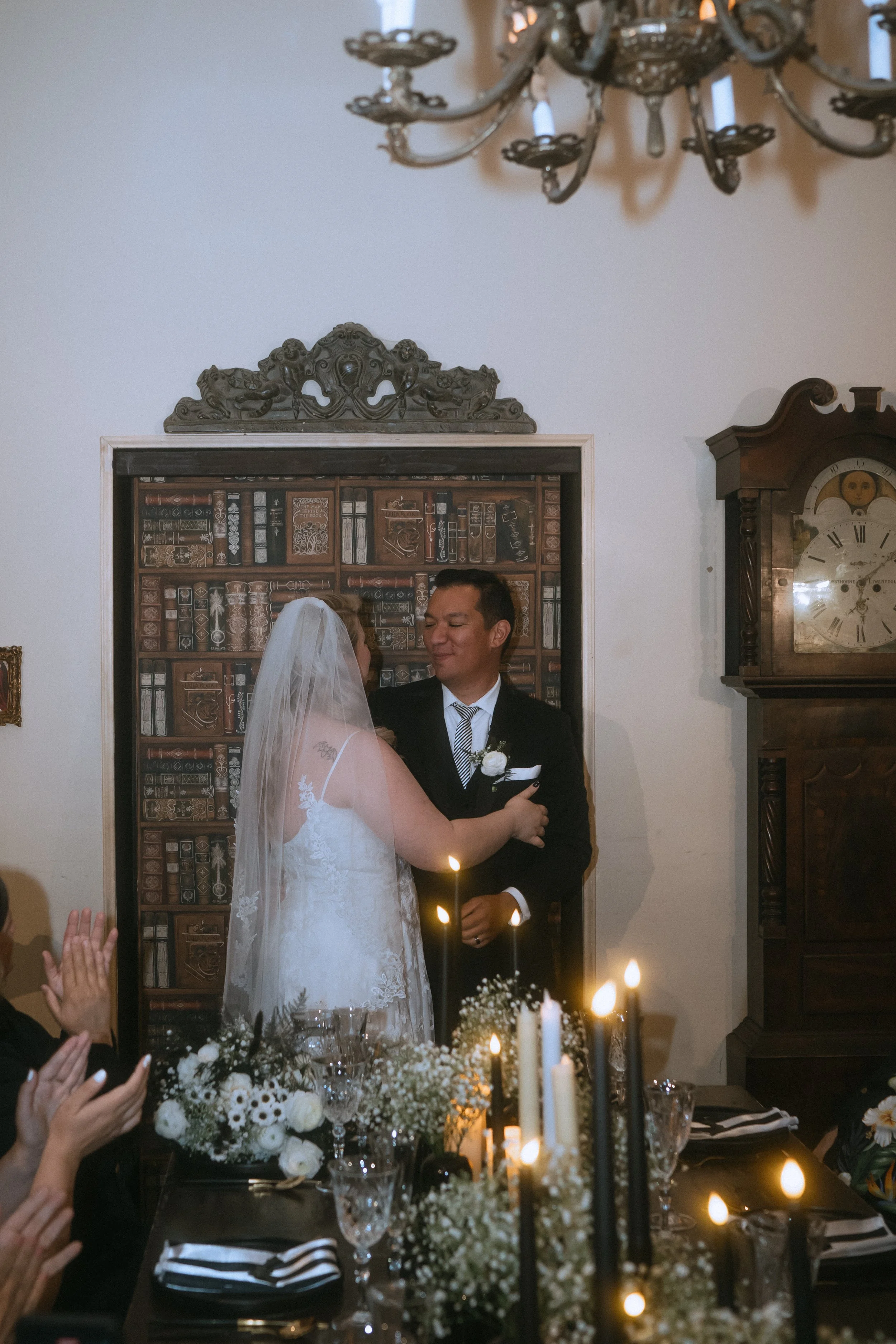
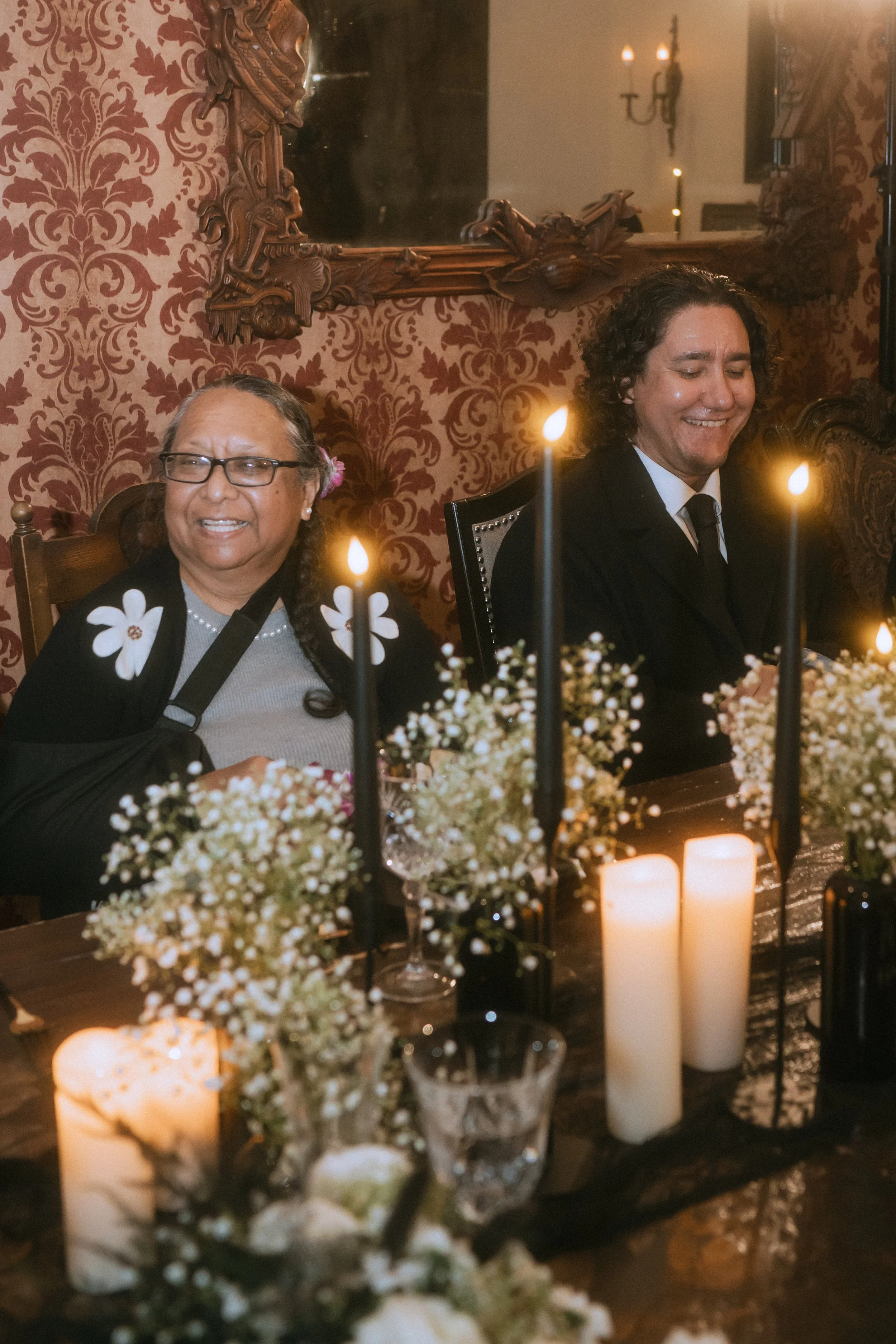
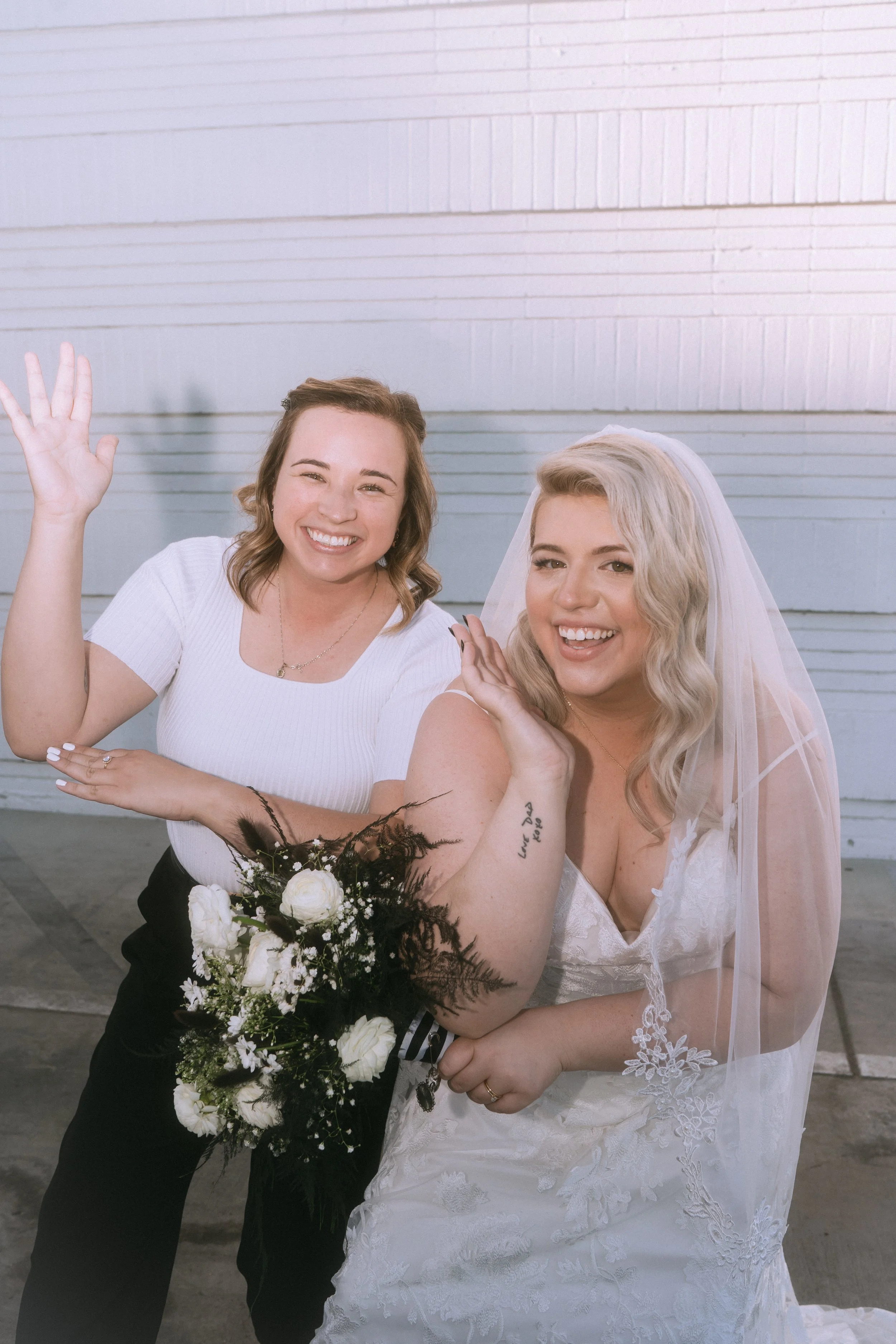
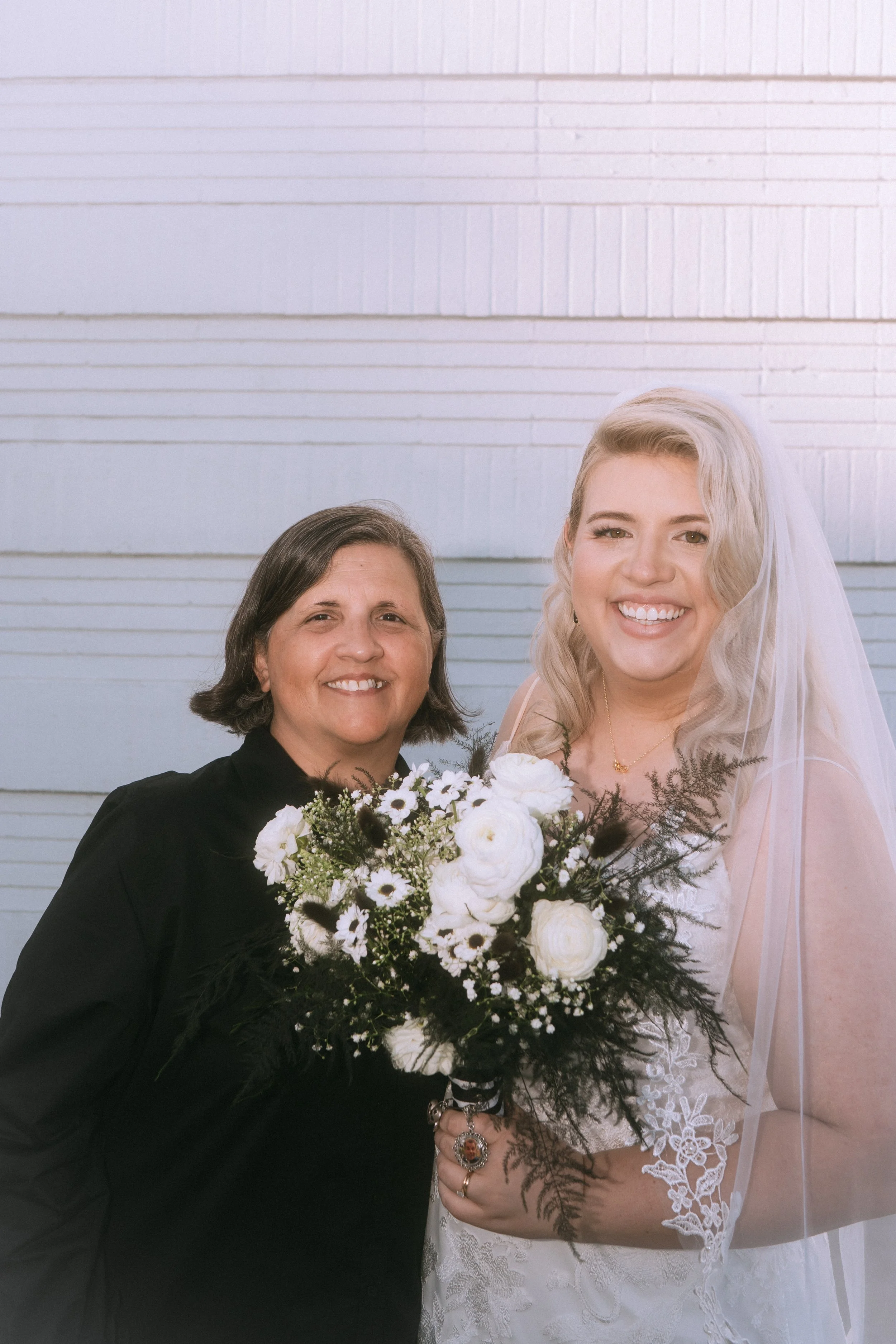
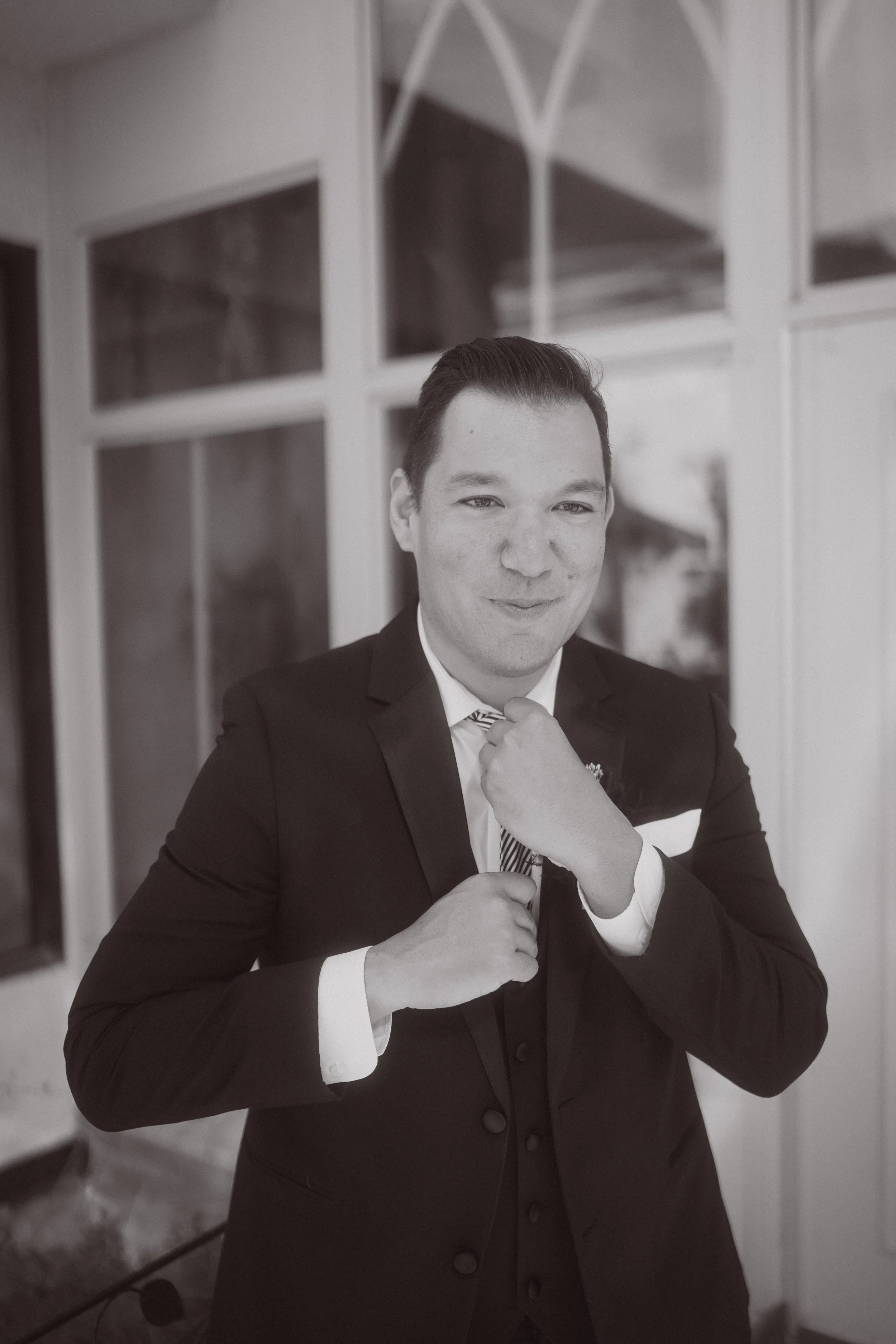
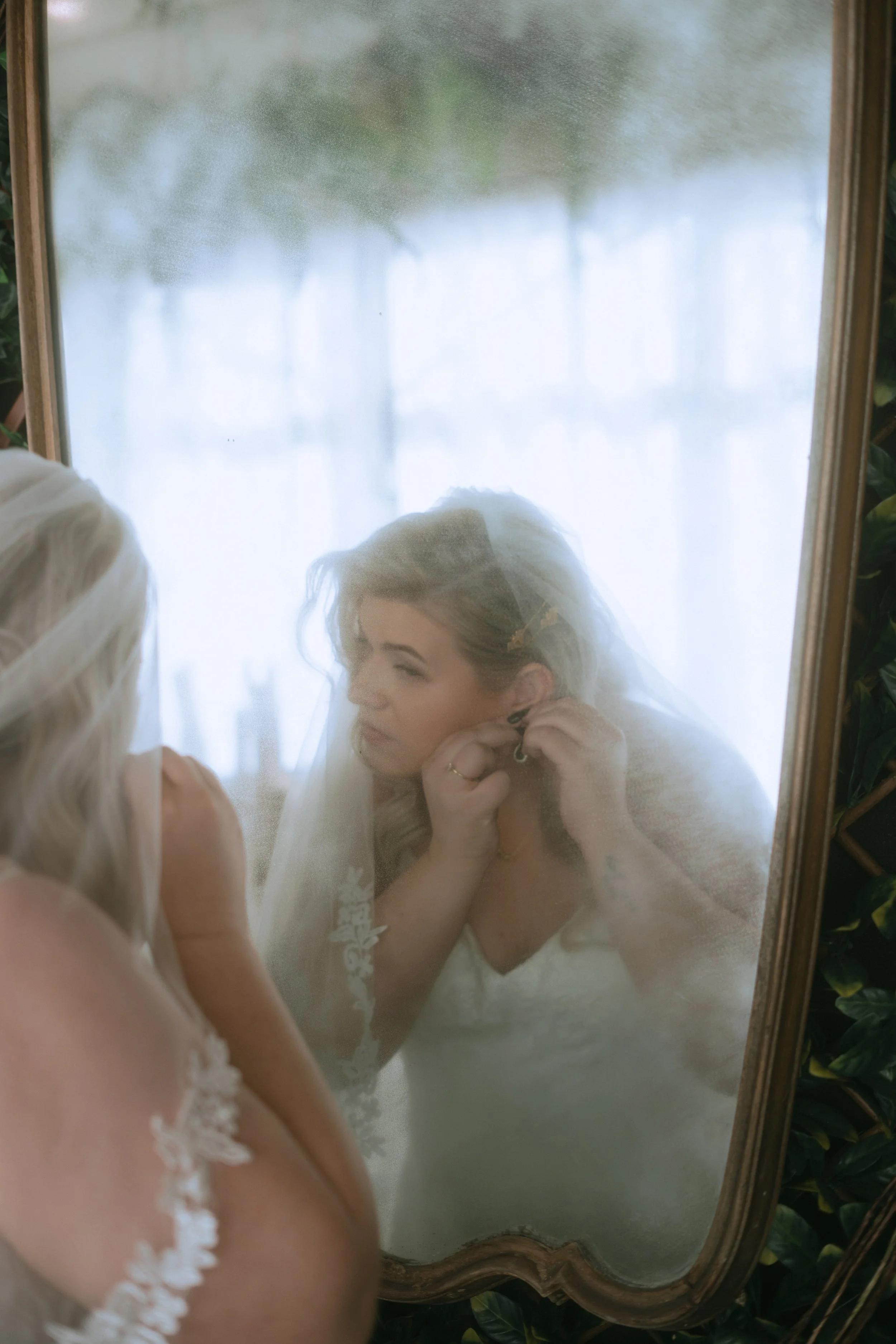
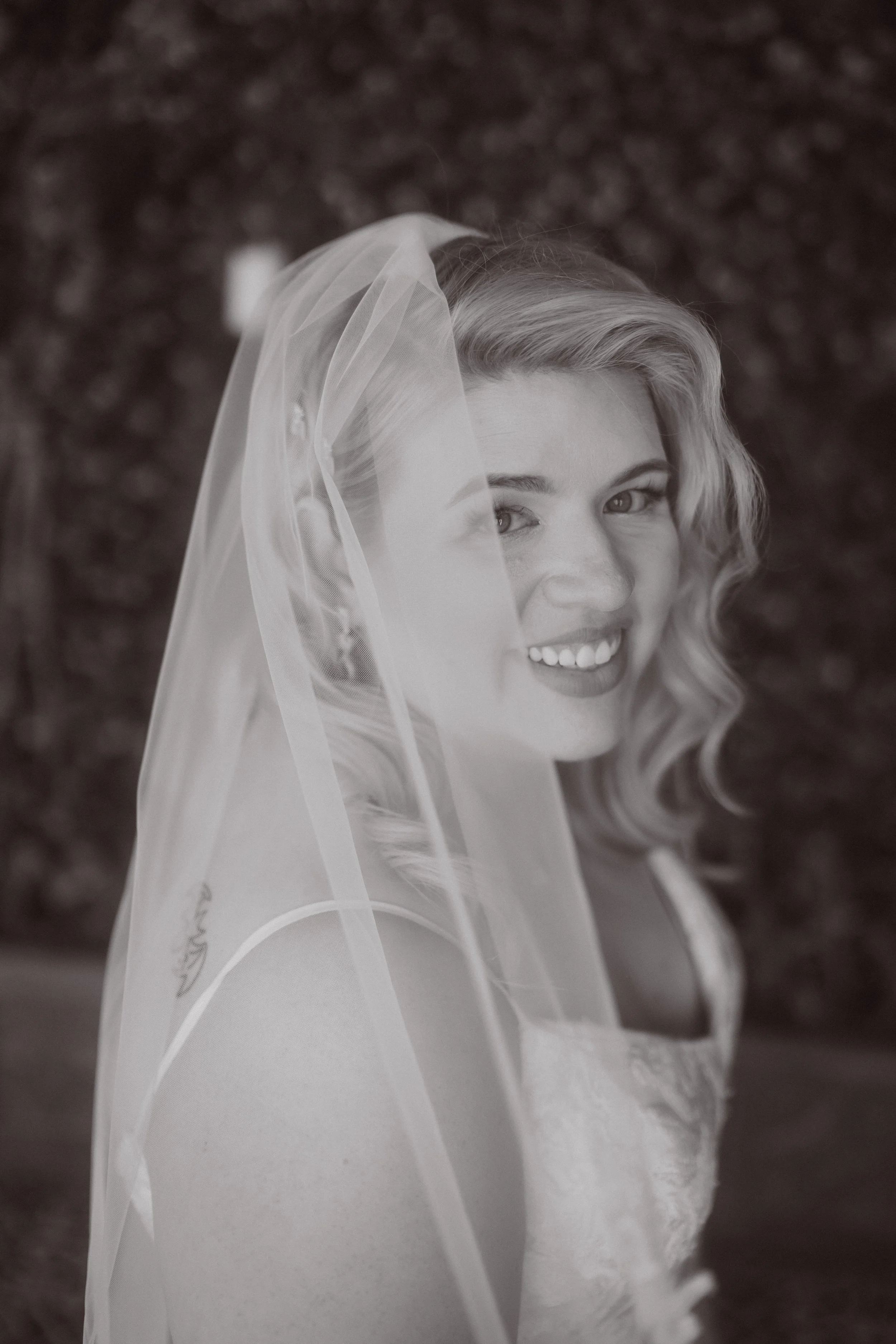
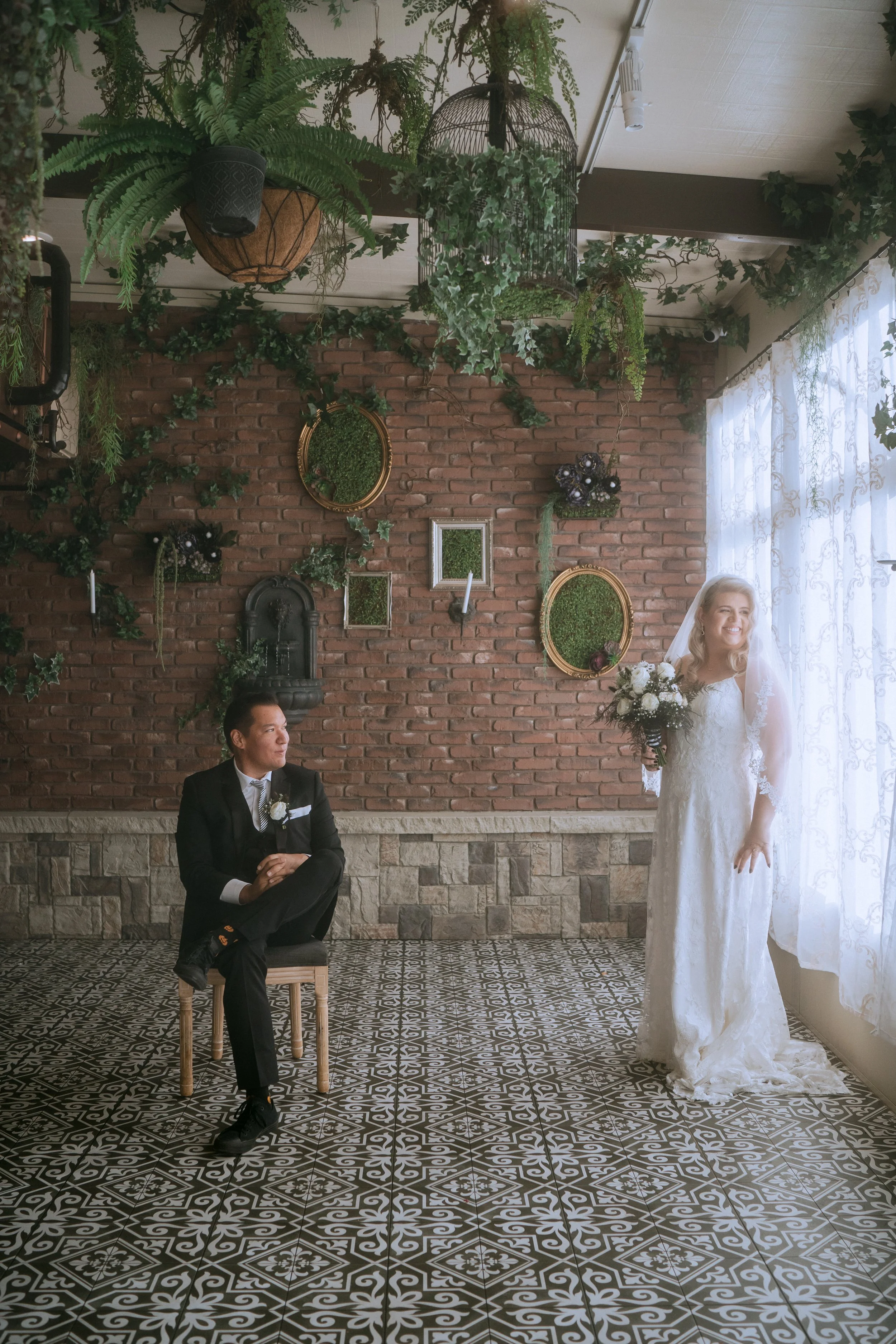
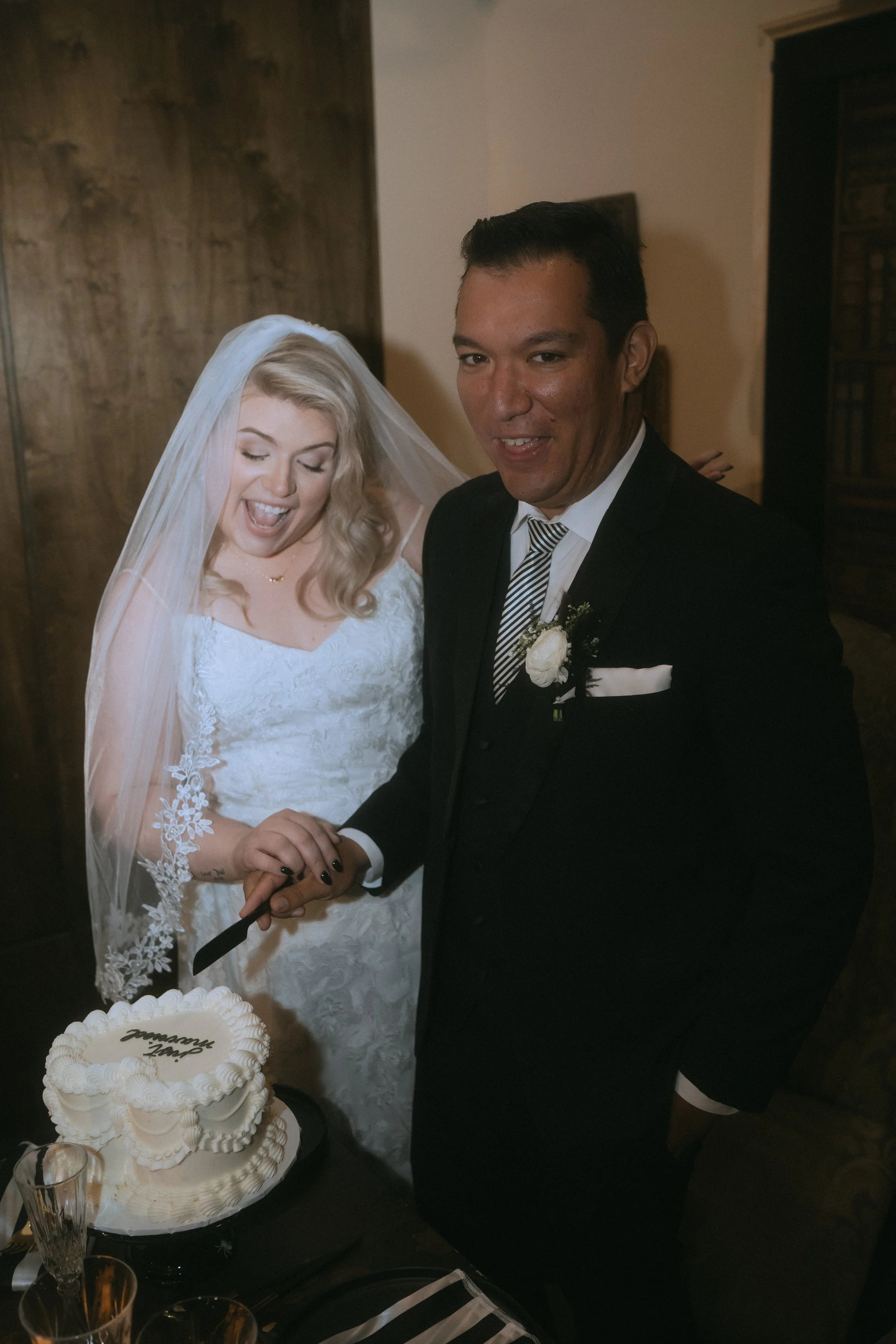
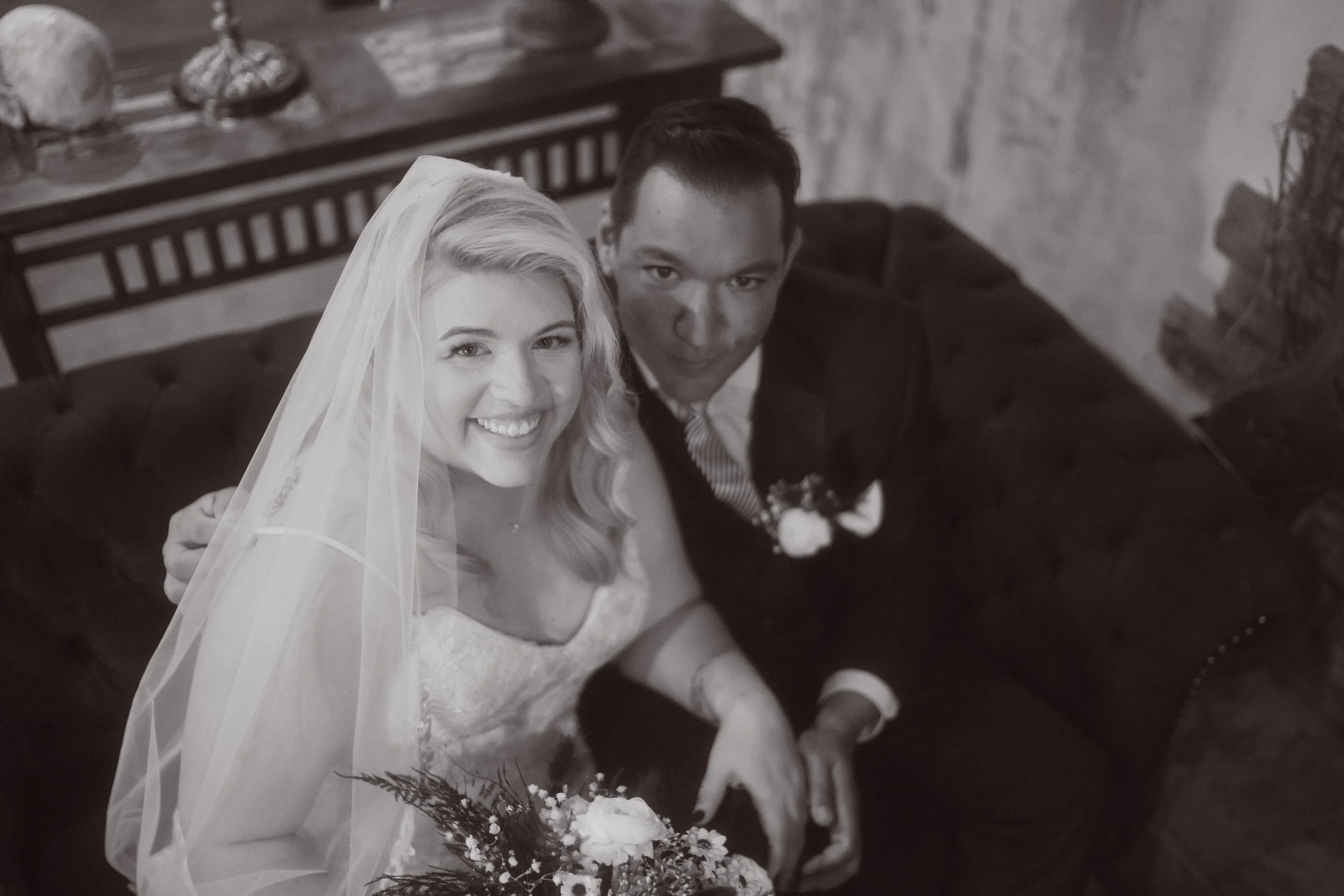
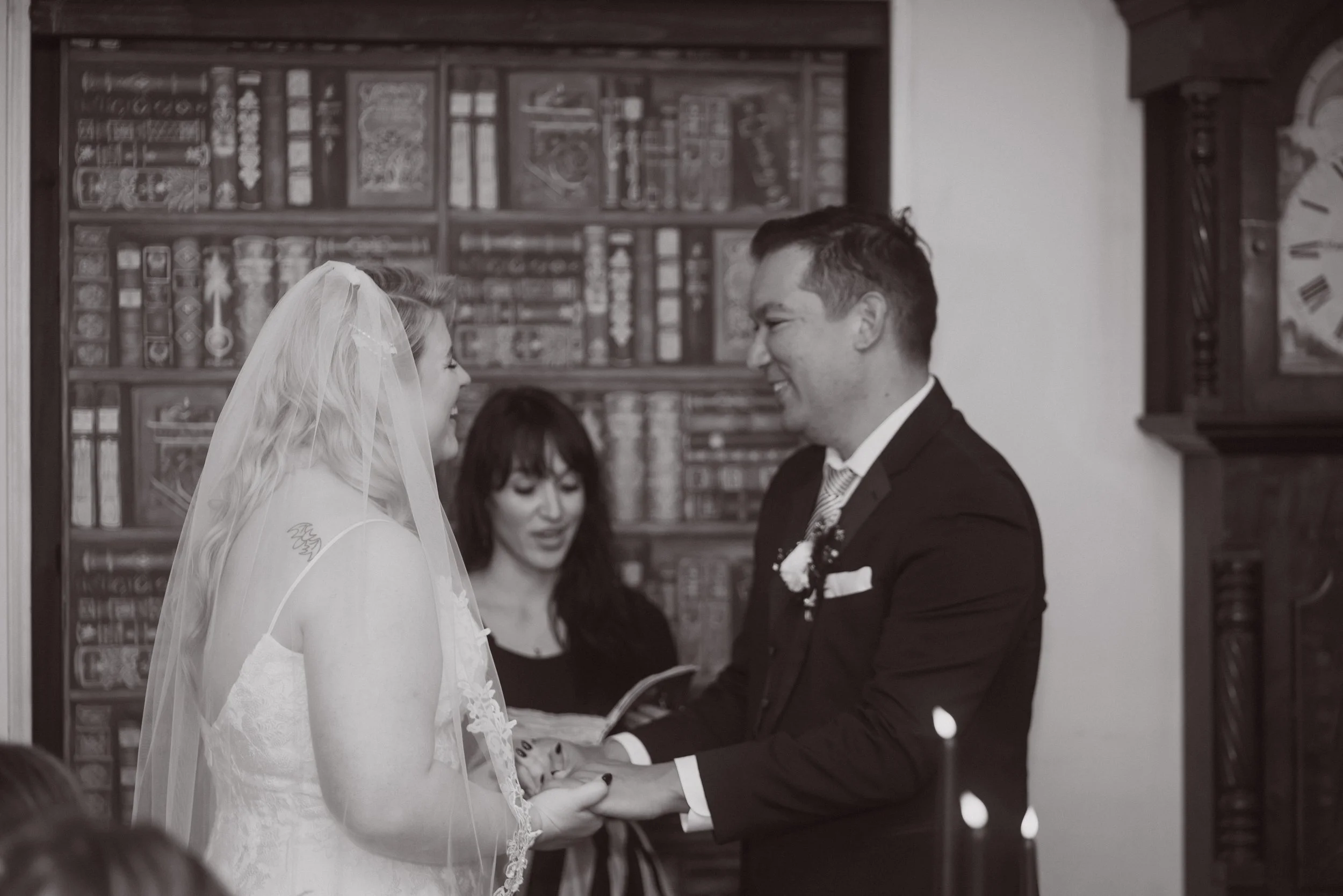
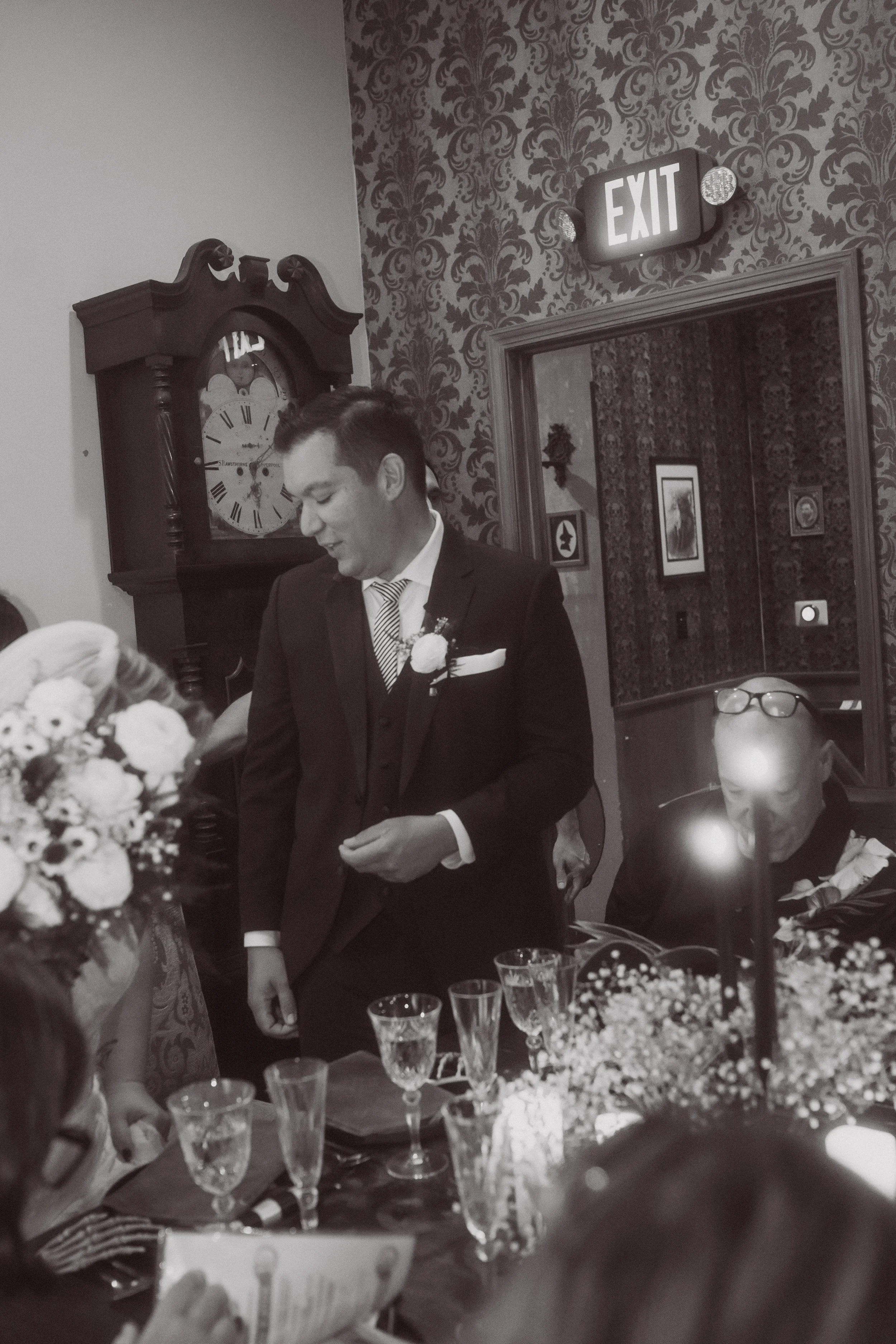
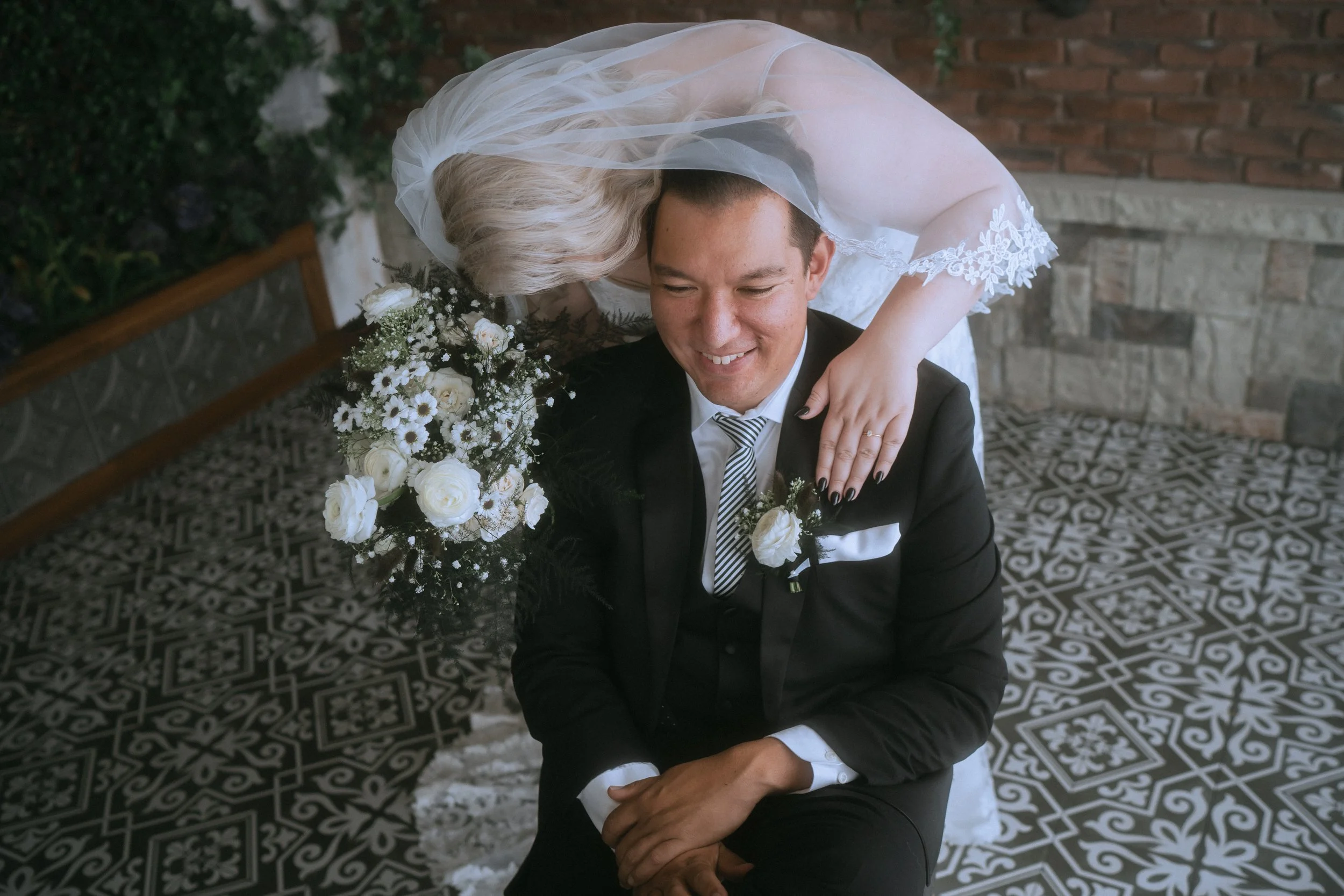
Katy and Frank’s wedding was originally planned as a much larger event in Los Angeles. Around 100 guests, a different venue, and a completely different timeline. Then things shifted as family dynamics changed, priorities became clearer, and instead of trying to force the original plan to work, they made a decision that most couples hesitate to make. They pivoted.
Their wedding didn’t just change. It had to be completely reimagined.
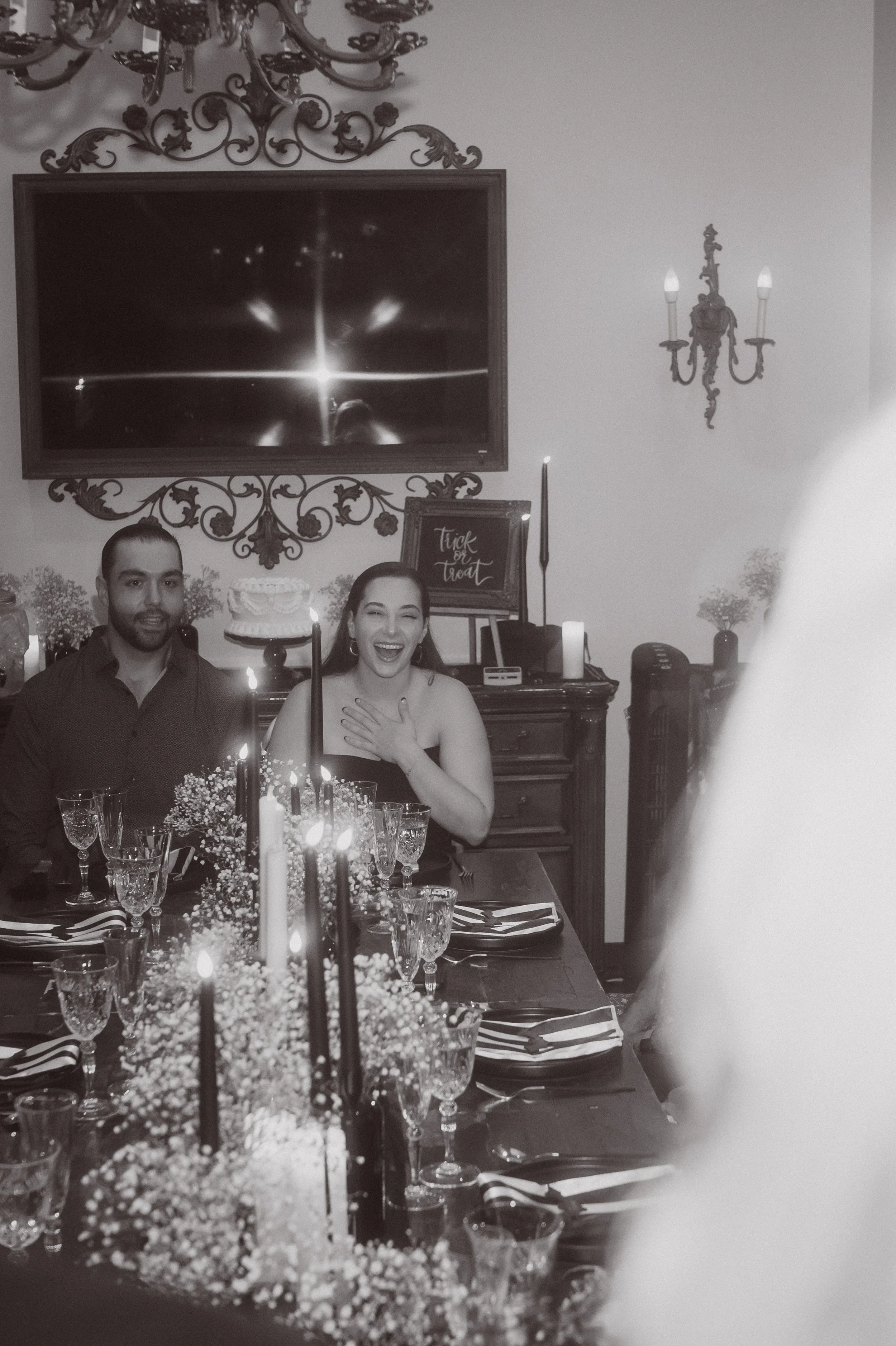
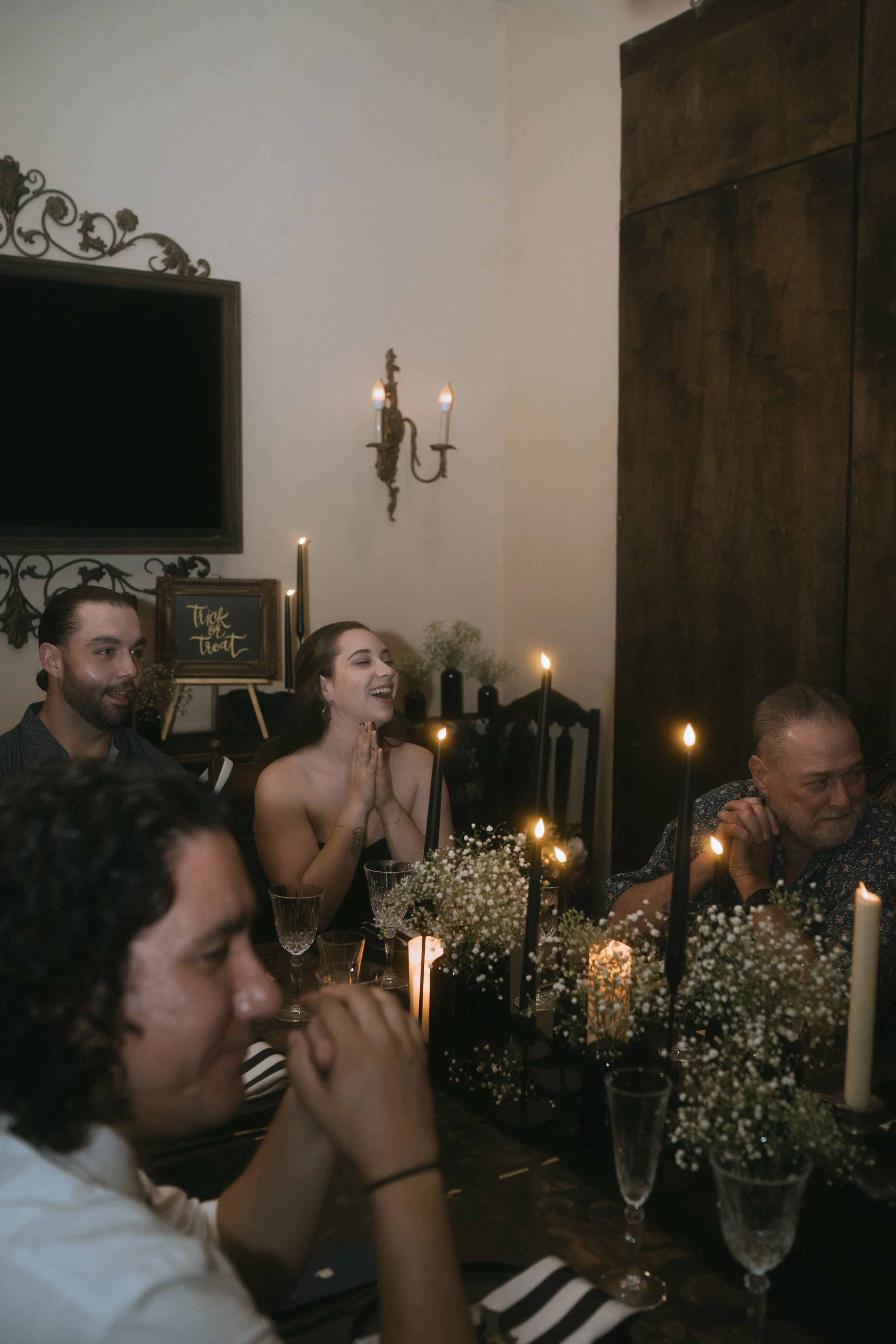
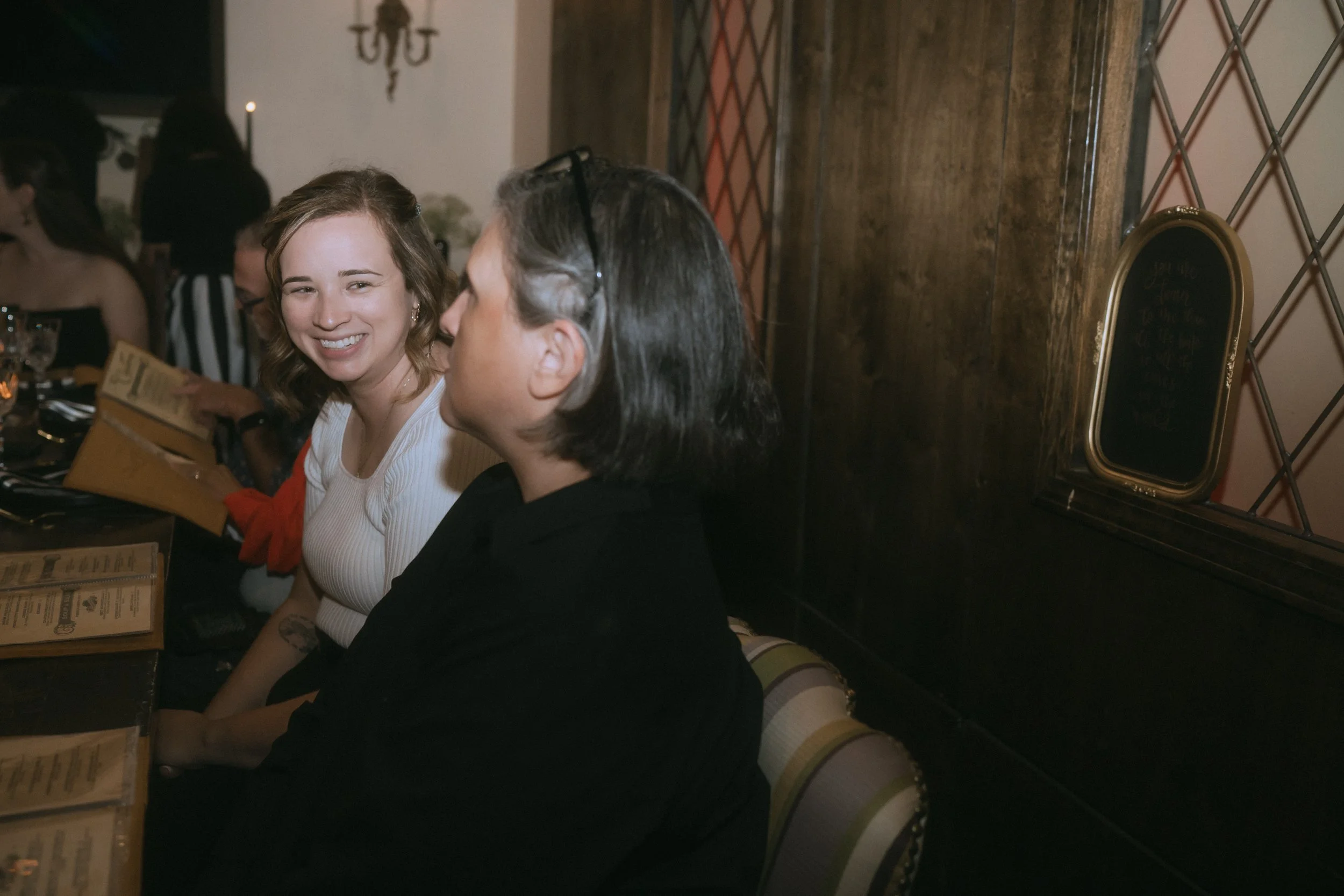
The guest list went from 100 to 12. The location changed. The timeline moved up. And the entire structure of the day had to be rebuilt quickly in a way that still felt intentional, personal, and grounded in what actually mattered to them.
What that looked like behind the scenes was a full reset.
Vendor conversations had to be revisited, a new setting had to be sourced and aligned, and the timeline had to be rebuilt from the ground up so the day could still unfold naturally, with every decision being filtered through a completely different lens, not just logistically, but emotionally.
And this is something I see often with couples planning non-traditional wedding alternatives. What starts as a clear vision can quickly turn into wedding planning overwhelm without the right structure supporting it.
But none of that landed on them.
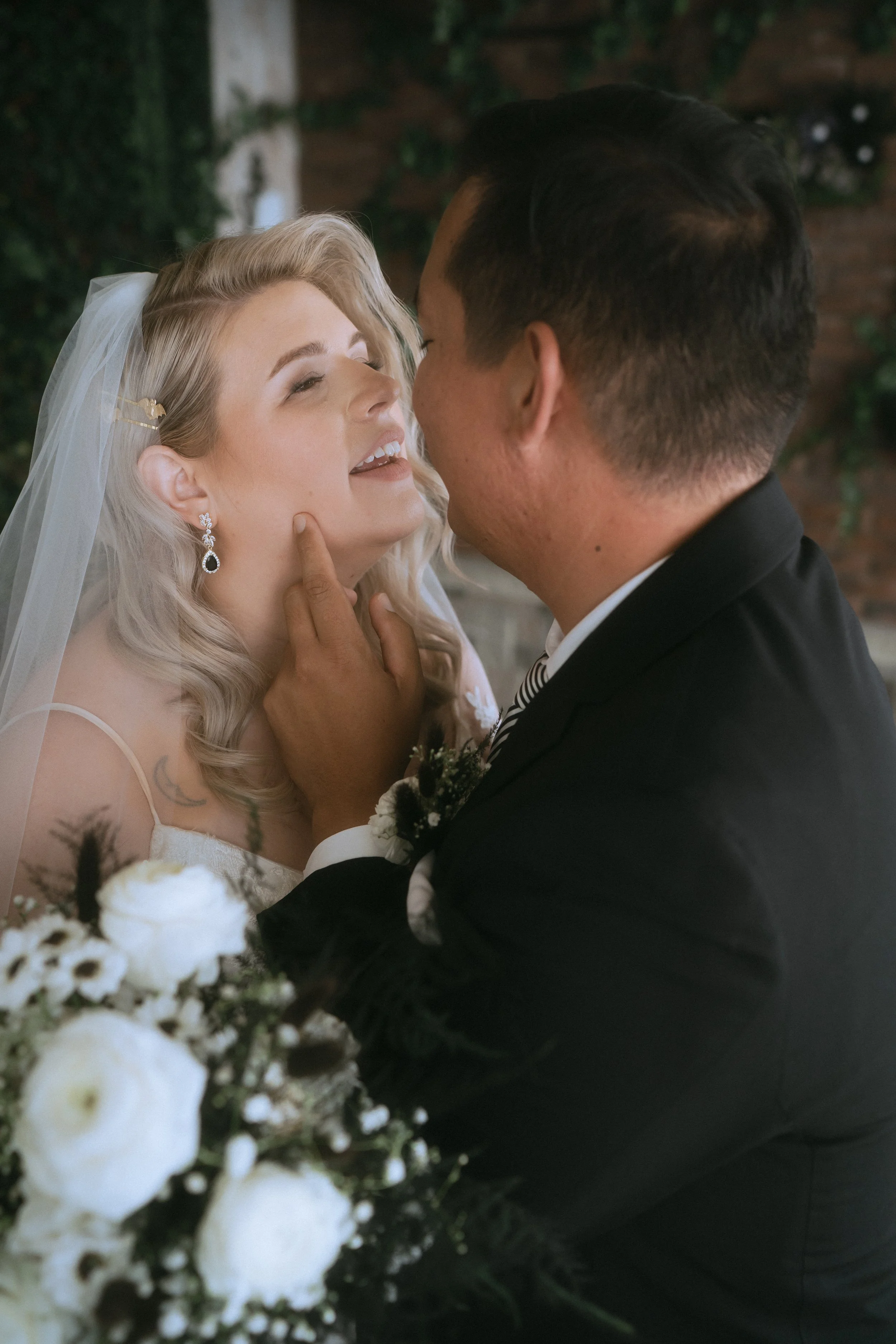
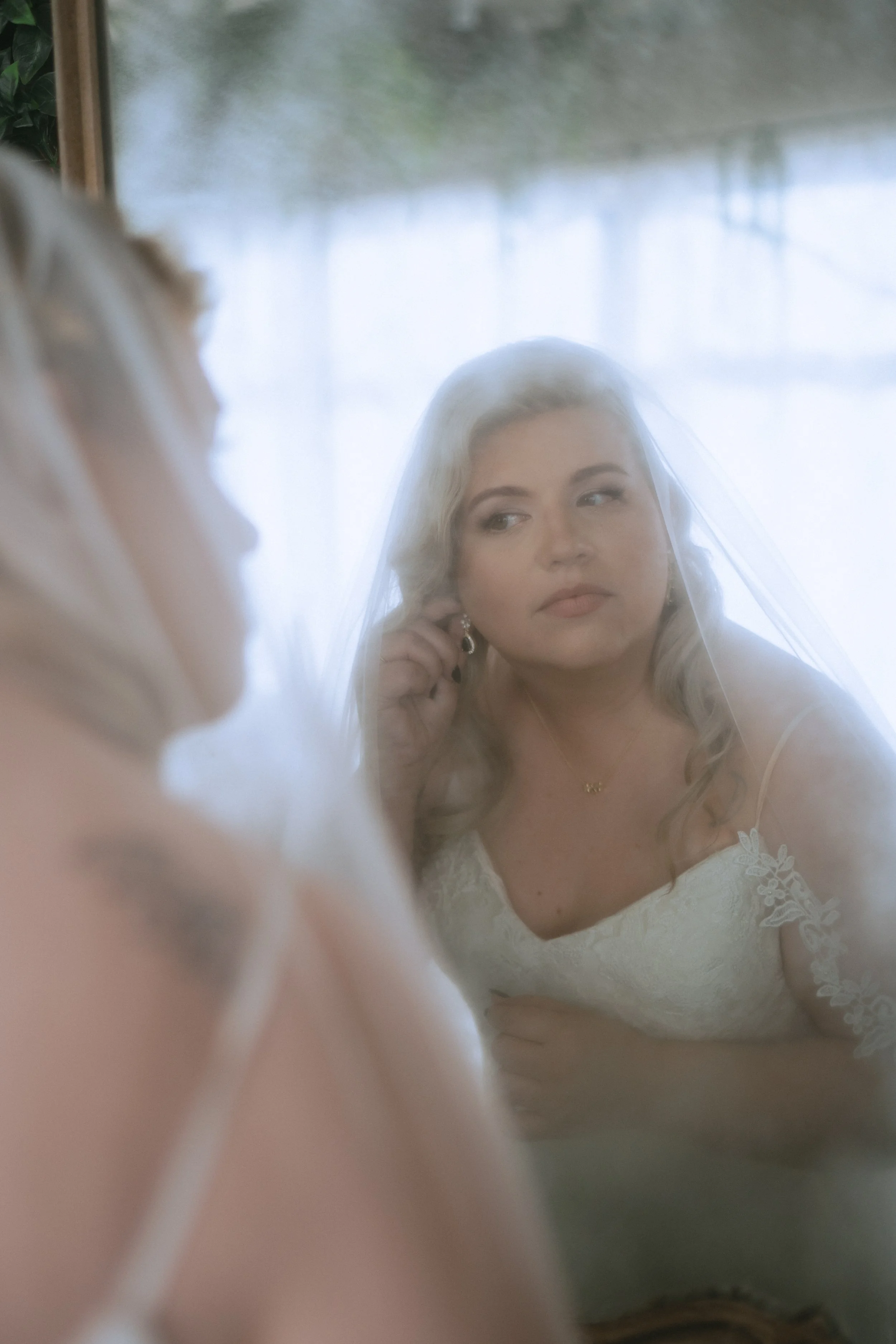
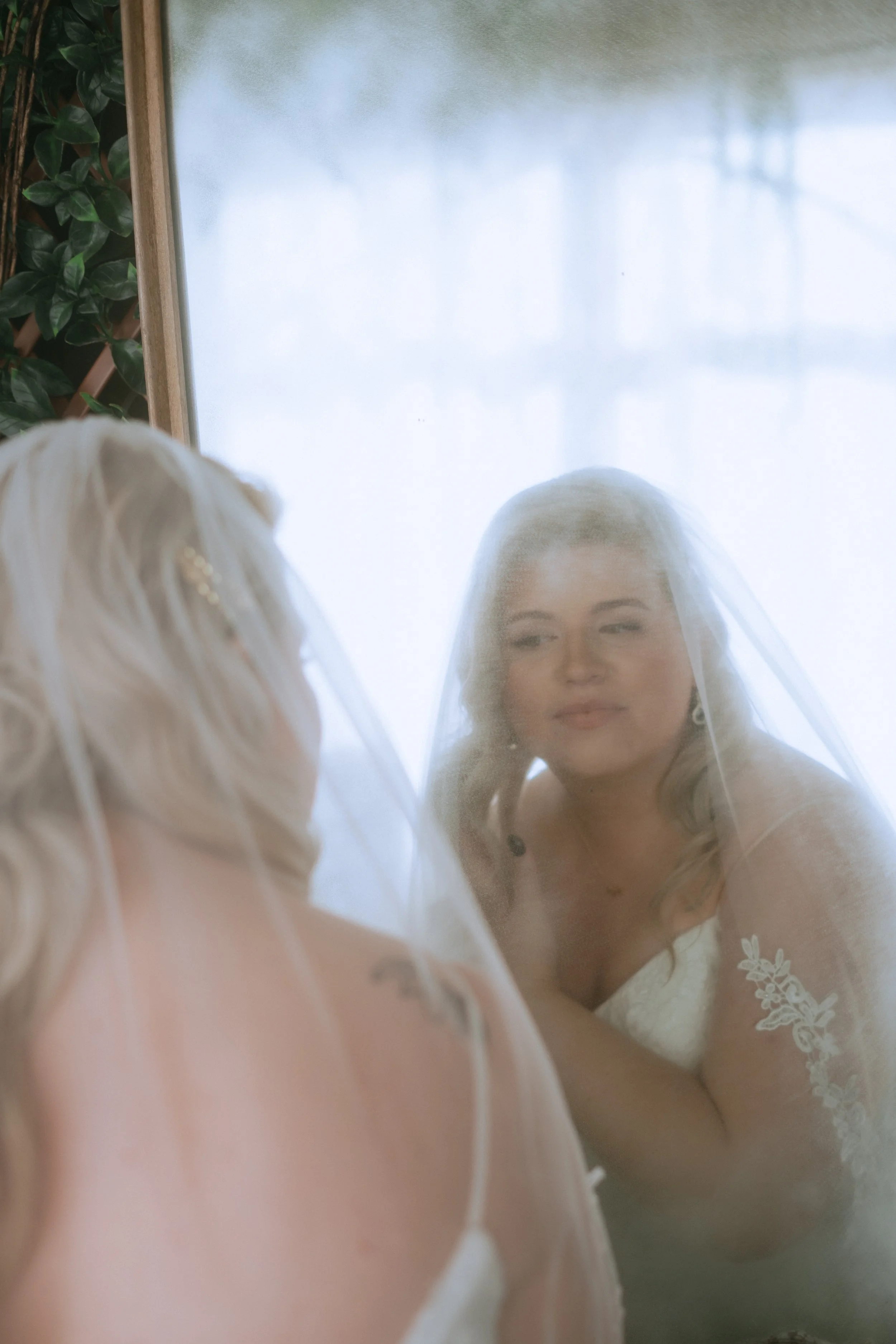
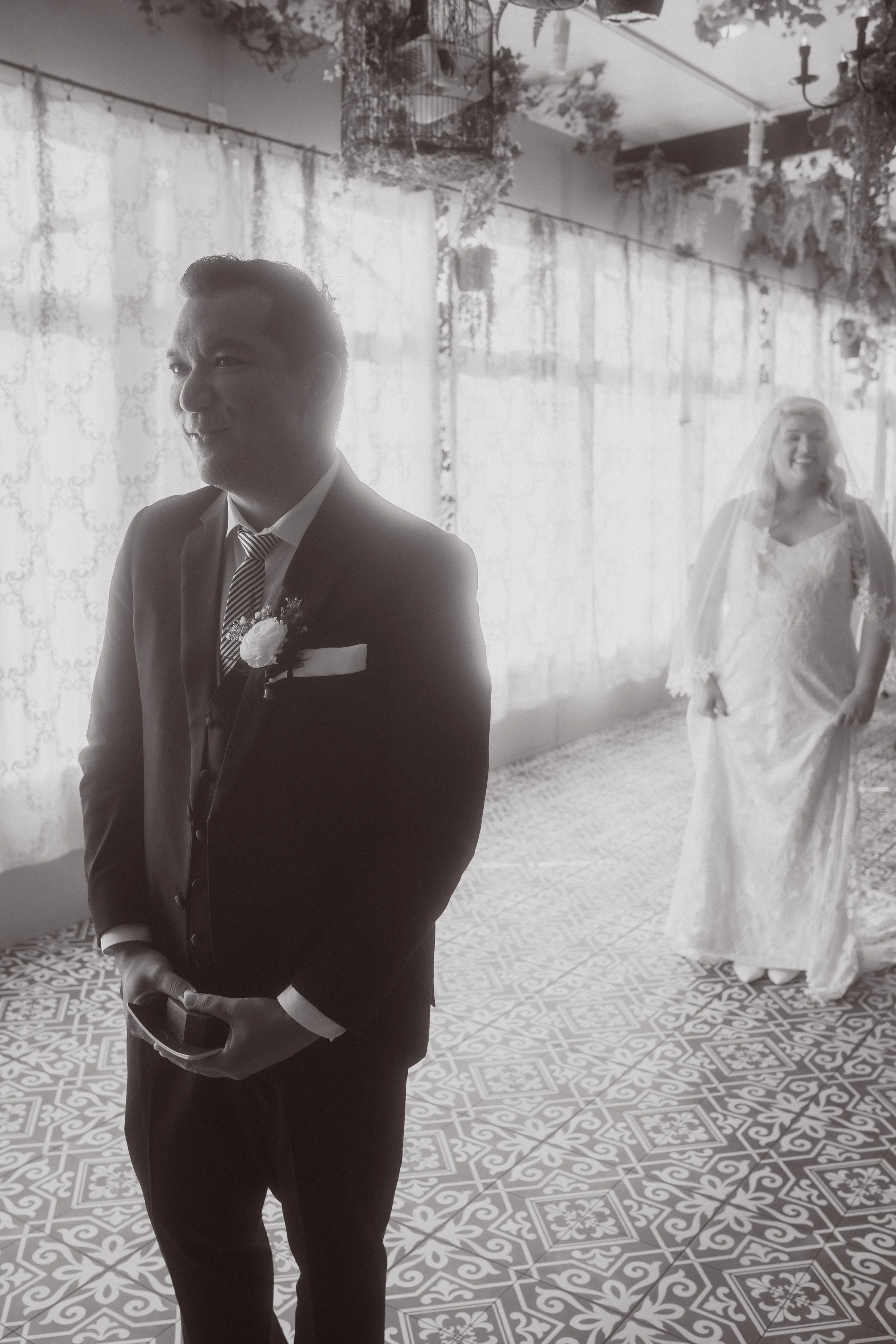
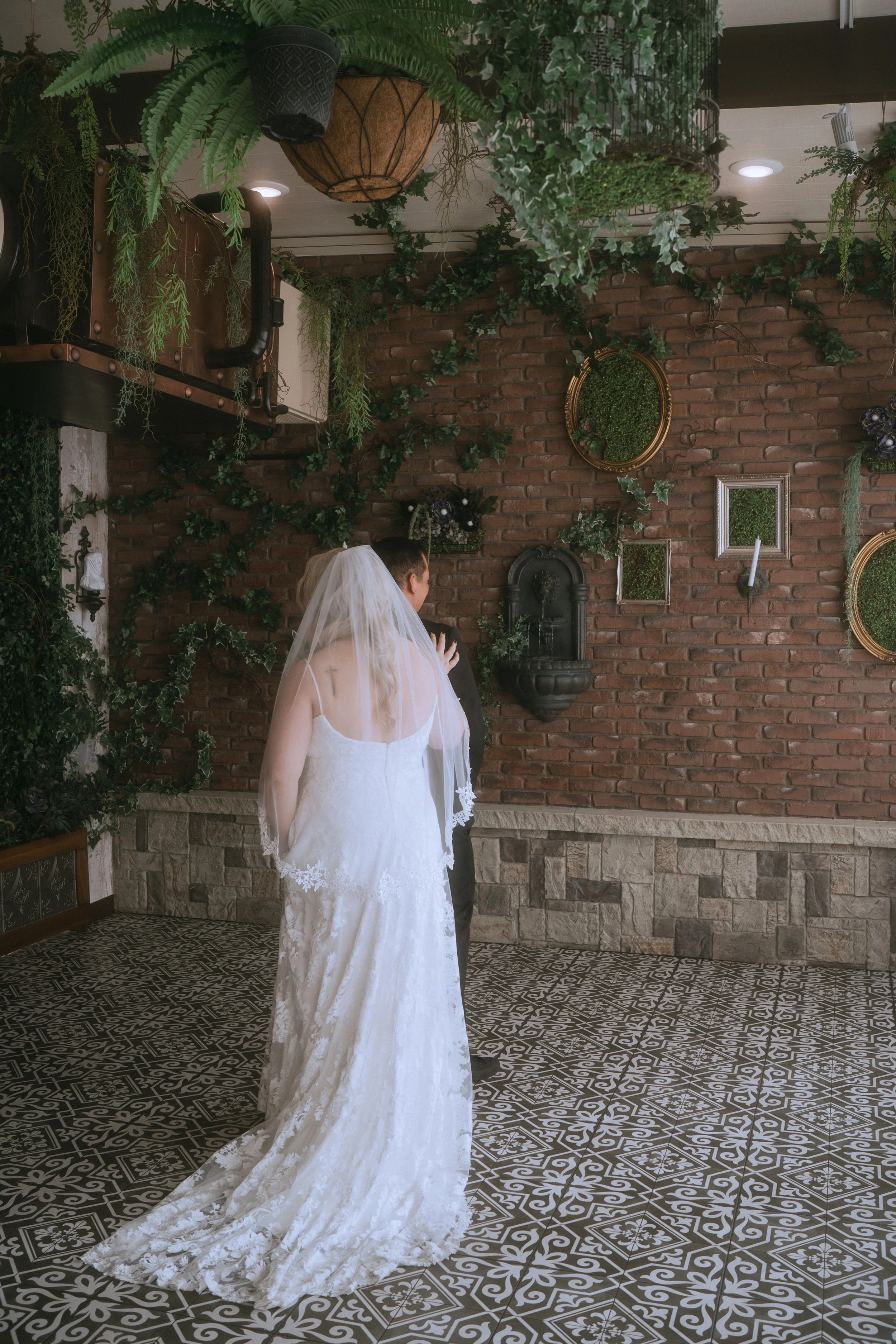
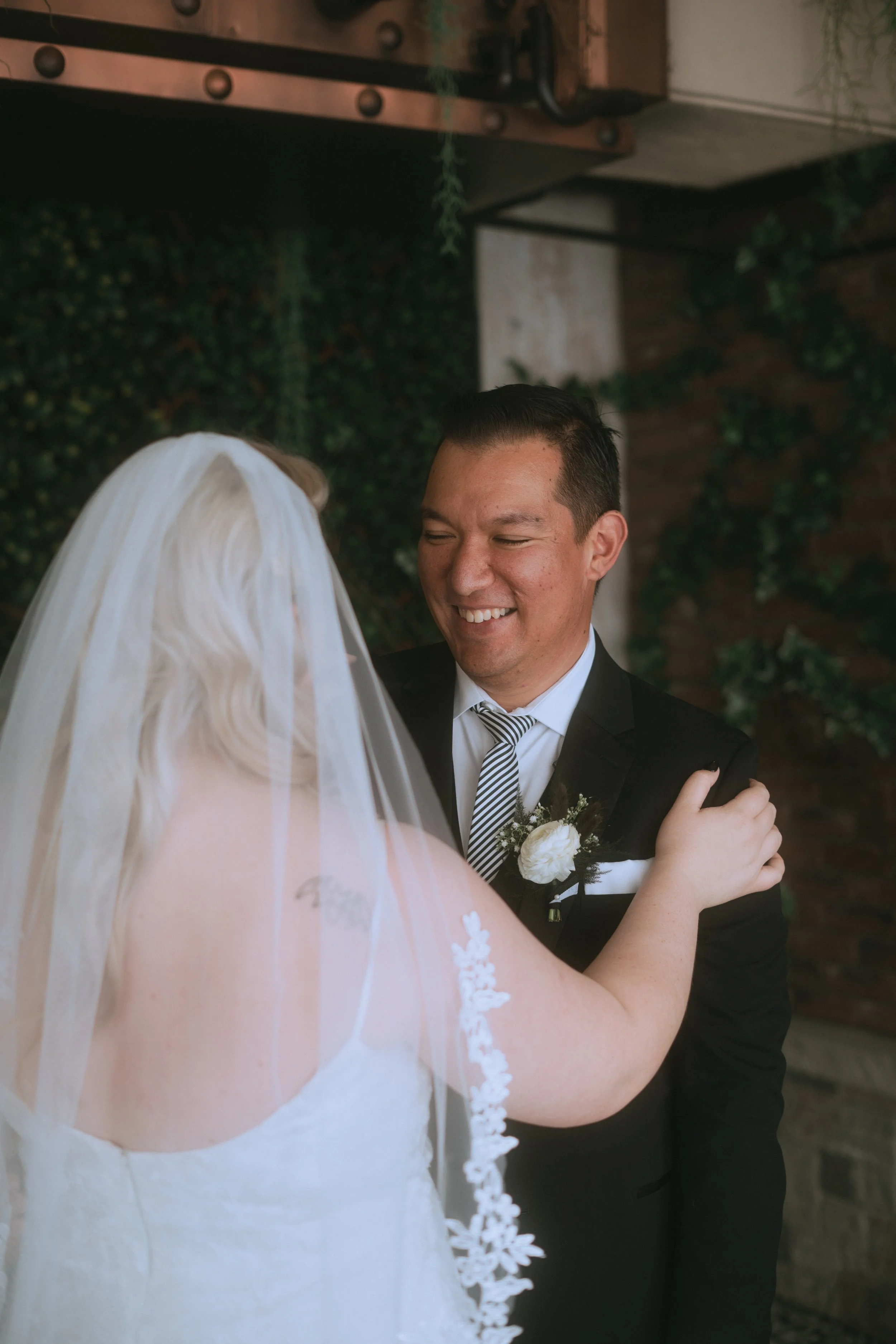
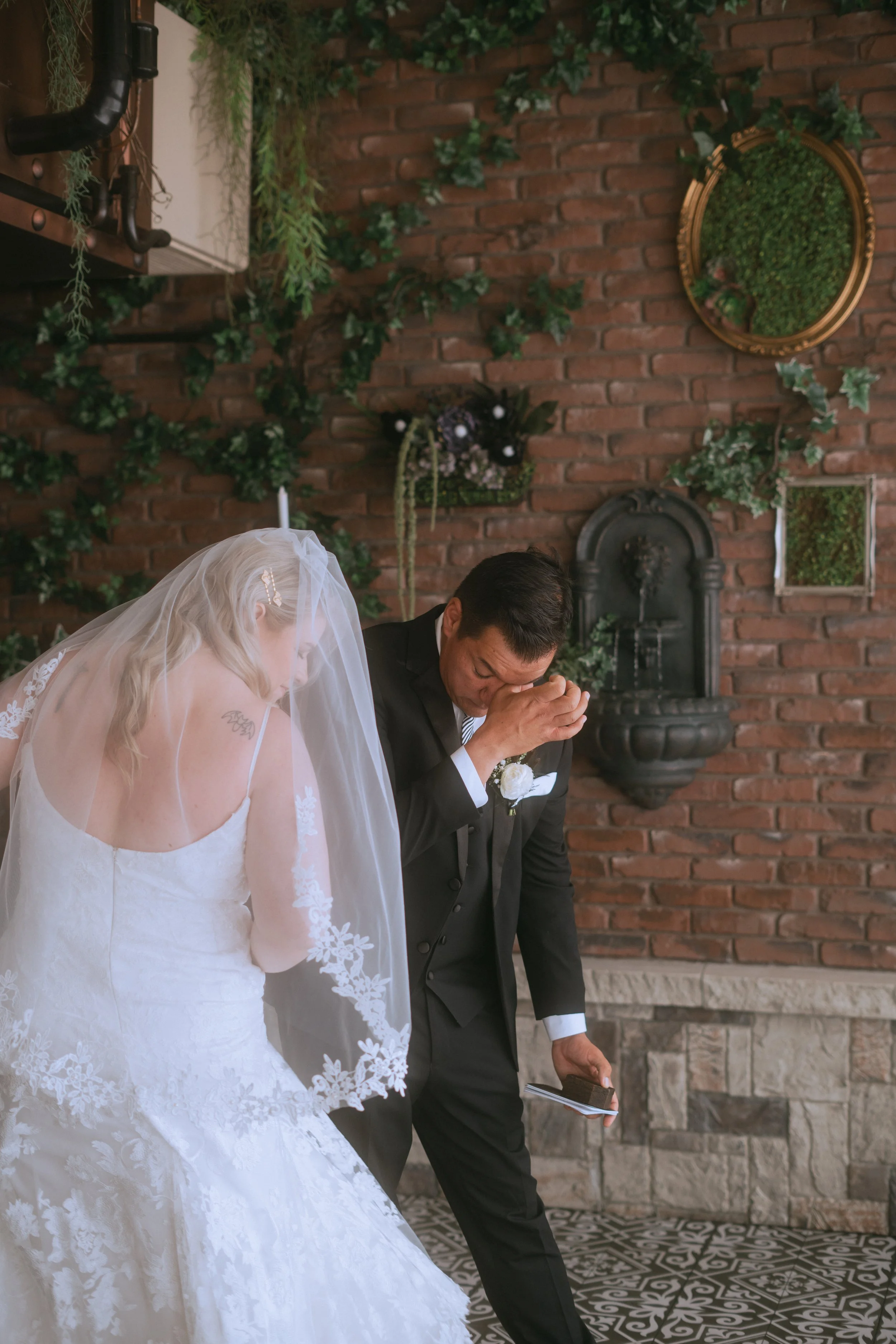
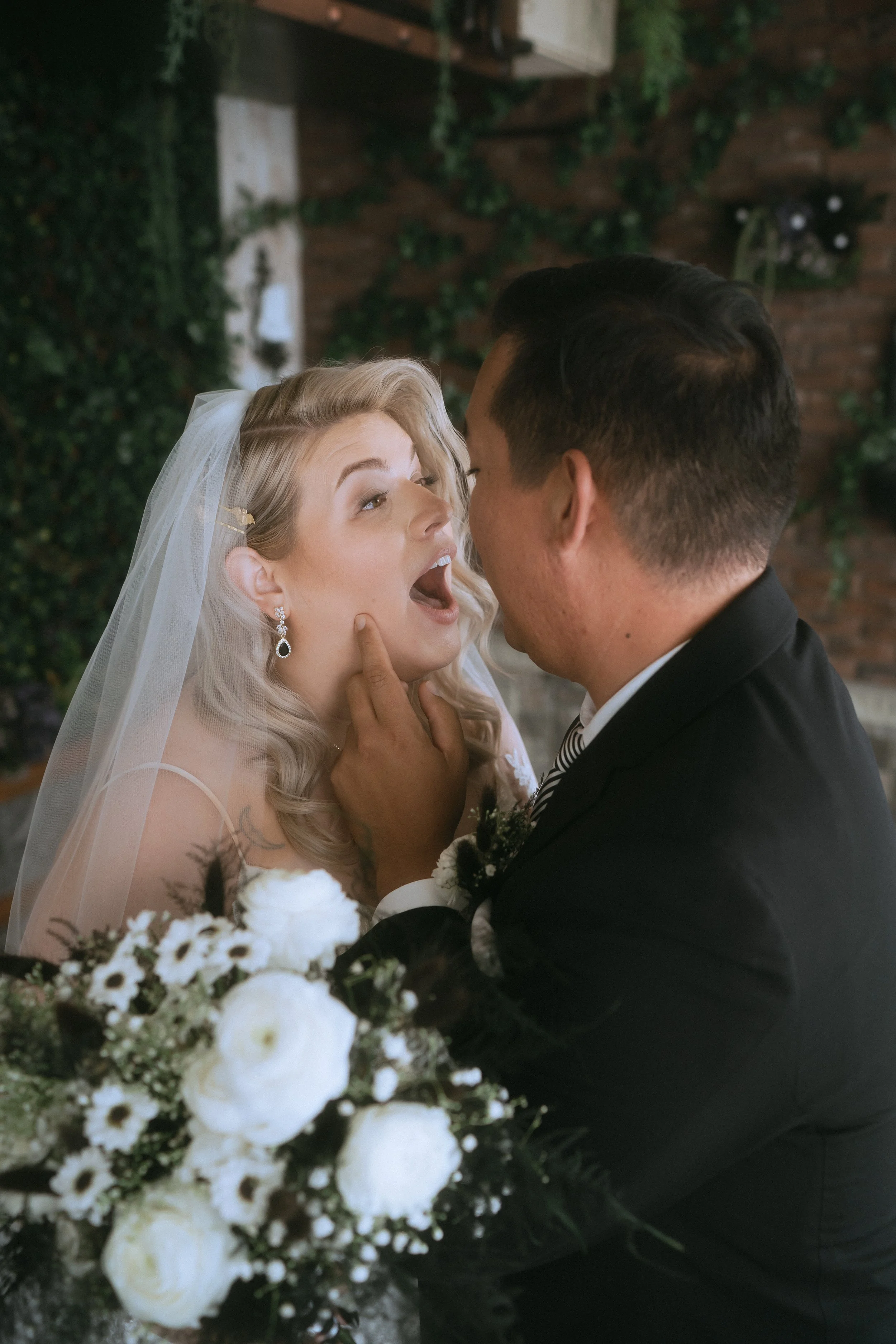
They weren’t fielding questions or managing moving pieces. They weren’t navigating family dynamics in real time while also trying to plan a wedding. They were getting ready slowly, spending time together, and staying present in what the day actually was. That’s what this is meant to feel like.
If you’re exploring different directions or trying to figure out what a non-traditional wedding could actually look like, you can find more real wedding experiences and planning insights.

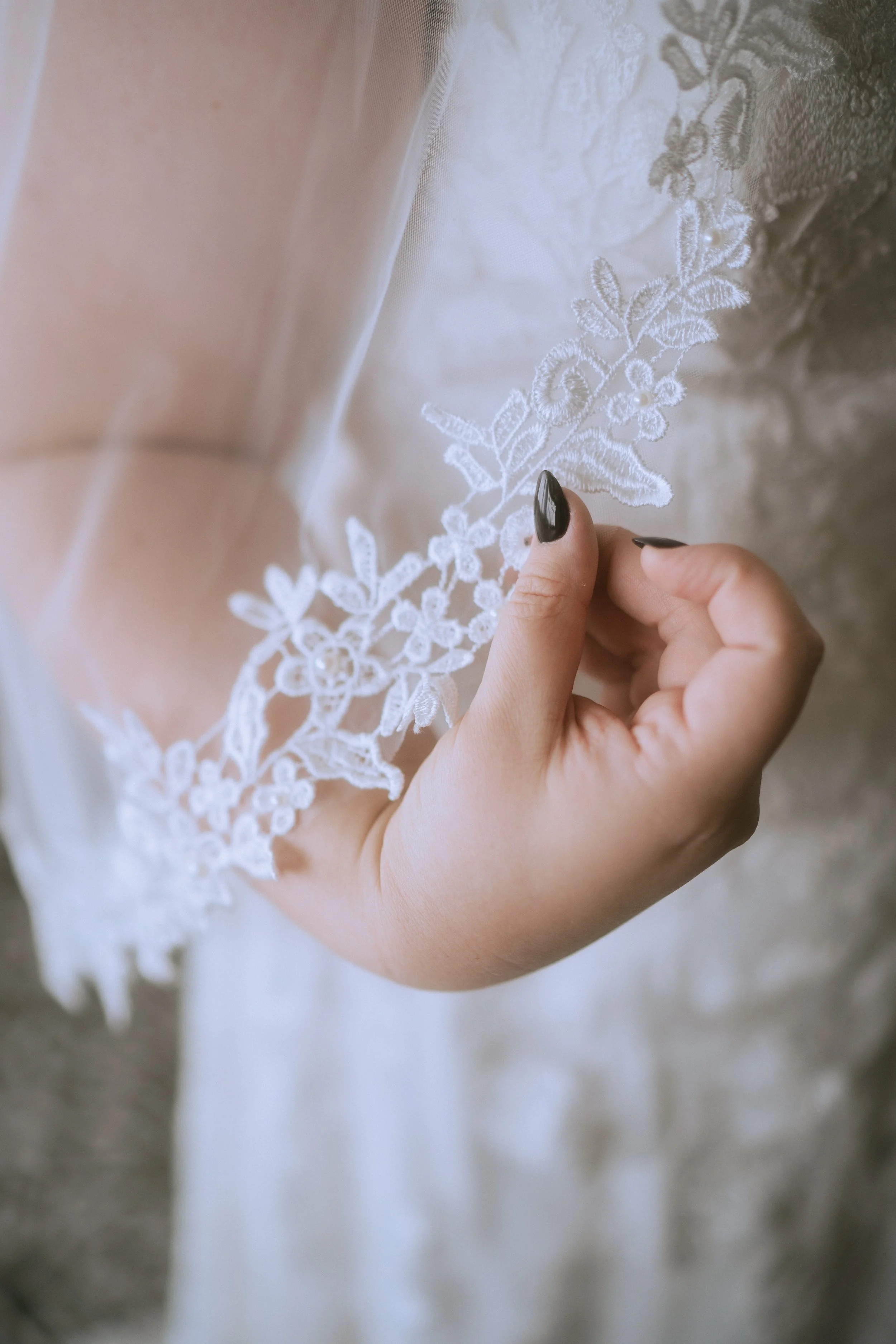
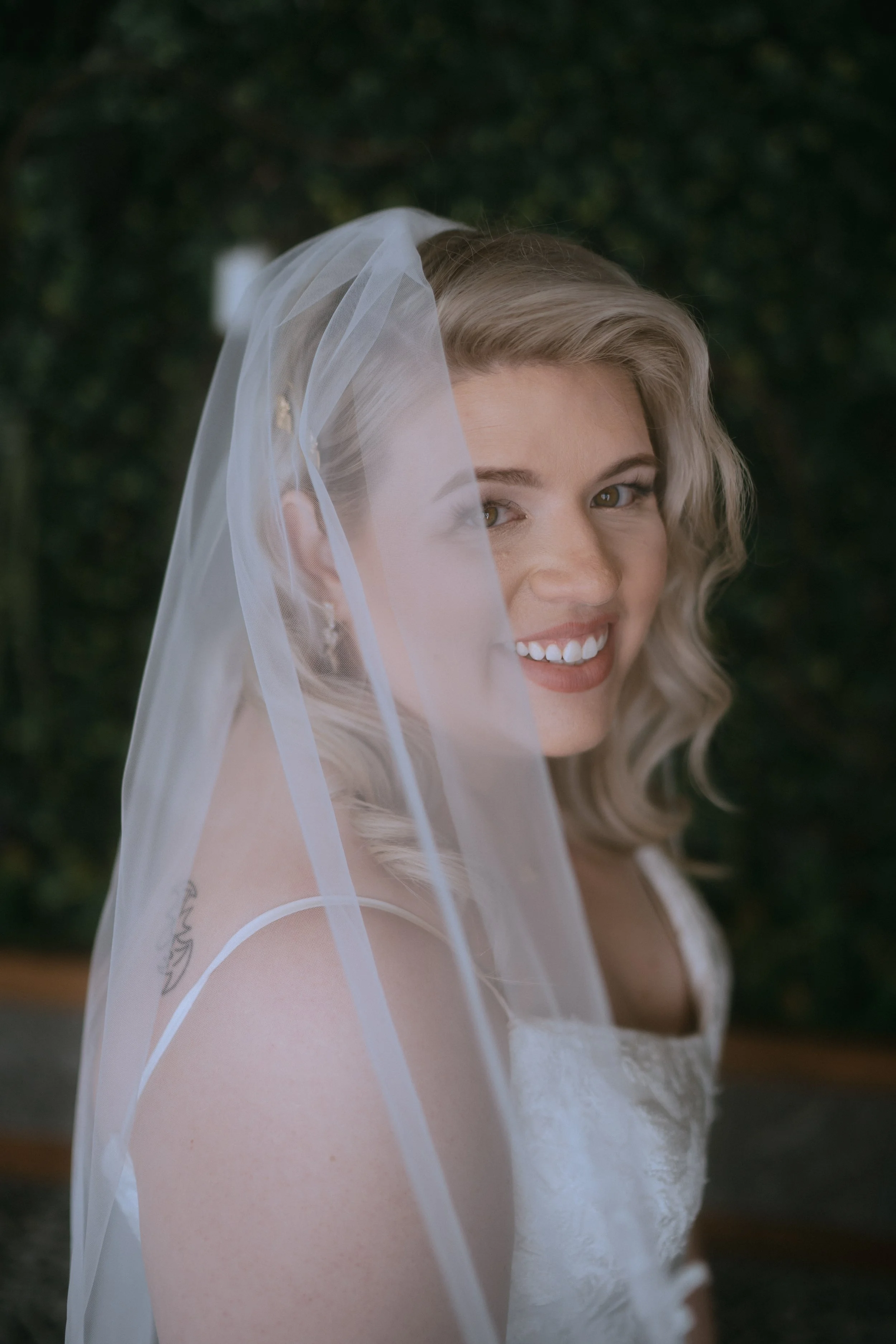
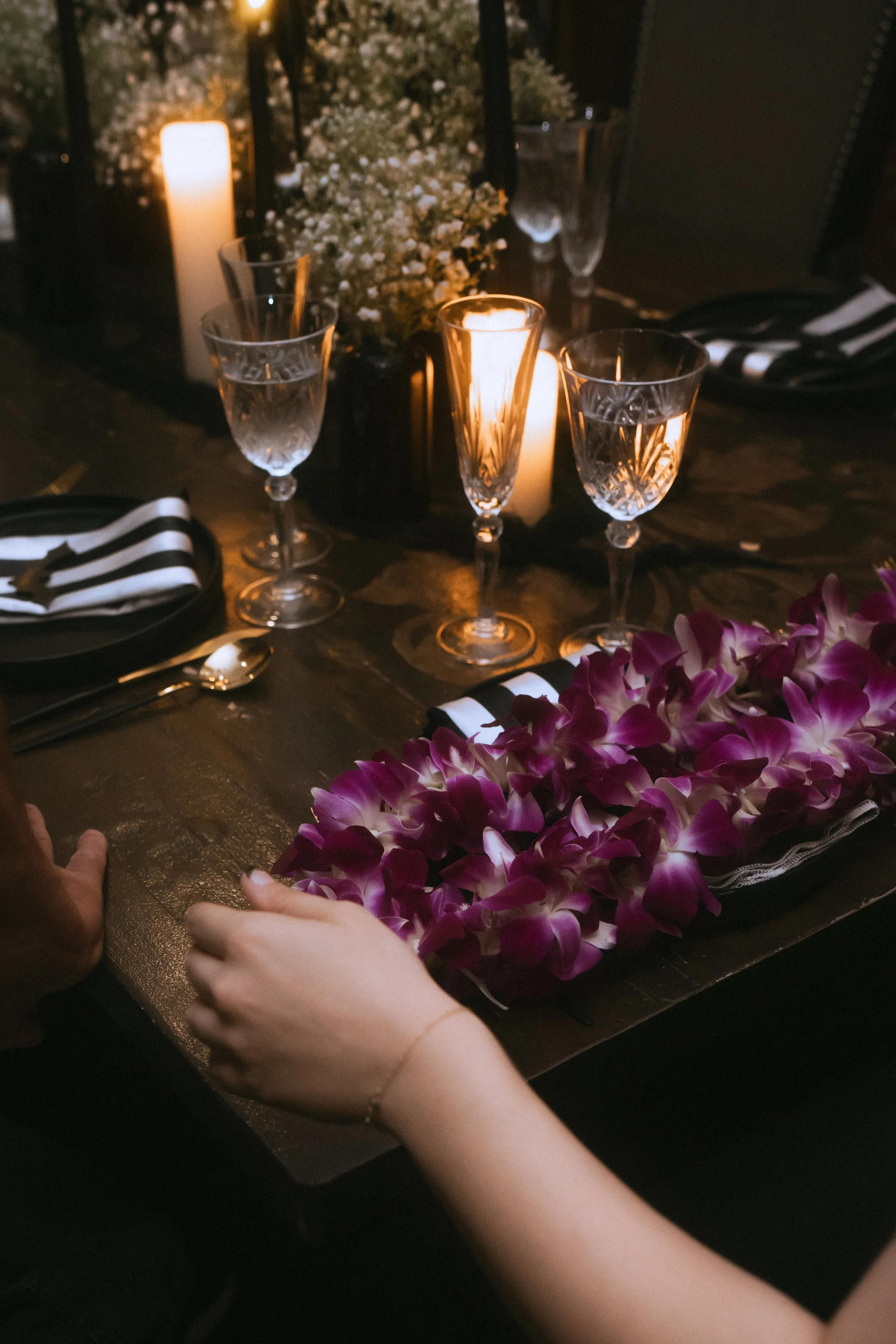
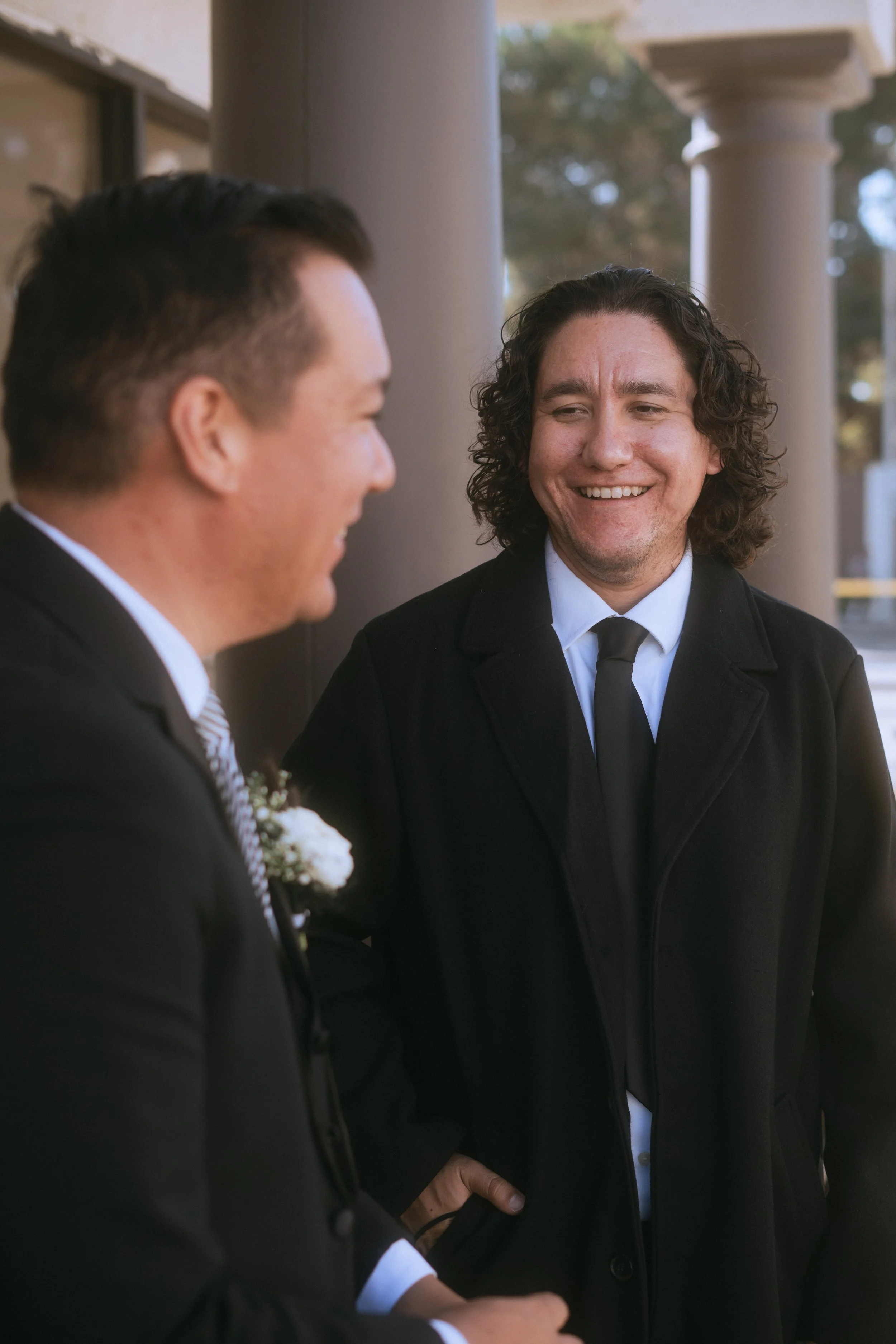
Why Non-Traditional Weddings Aren’t Actually “Simpler”
There’s this assumption that if you’re not having a traditional wedding, things are easier. A smaller guest list, a different kind of venue, or a more relaxed structure can make it feel like there’s less to manage. On paper, it sounds easier (fewer guests, less structure, more freedom) but what no one tells you is that freedom comes with a lot more decisions. So people assume they can take it on themselves, but in reality, it often starts to feel heavier the deeper you get into it.
Since you’re not following a template, there’s no built-in timeline guiding the day, no standard flow vendors can default to, and no structure quietly holding everything together in the background. You’re making decisions most couples never have to think about. You’re creating something custom from the ground up, which means every decision carries more weight. You’re making decisions most couples never have to think about.And if you’re exploring different directions, from micro-weddings to more unconventional formats, there are a lot of non-traditional wedding alternatives that can work beautifully when they’re planned intentionally.
That’s usually the point where wedding planning overwhelm starts to creep in, not all at once, but slowly, as every decision starts to stack on top of the next. Especially when couples are trying to piece everything together on their own without a clear framework to support it.
What Hiring a Wedding Planner for a Non-Traditional Wedding Actually Feels Like
When it’s done right, it doesn’t feel complicated. It feels steady.
It feels like having someone who understands your vision without needing it over-explained, someone who filters decisions so you’re not second-guessing every step, and someone who can hold both the logistical and emotional layers of the day without it becoming your responsibility.
More than anything, it feels like not being the one in charge of everything.
You’re not navigating family expectations on your own, you’re not translating ideas into timelines, and you’re not trying to coordinate multiple moving pieces at once. You’re supported in a way that allows you to stay present in what you’re actually creating.
That’s the difference most people don’t see, and it’s also why the question “are wedding planners worth it?” usually comes down to experience, not just cost.
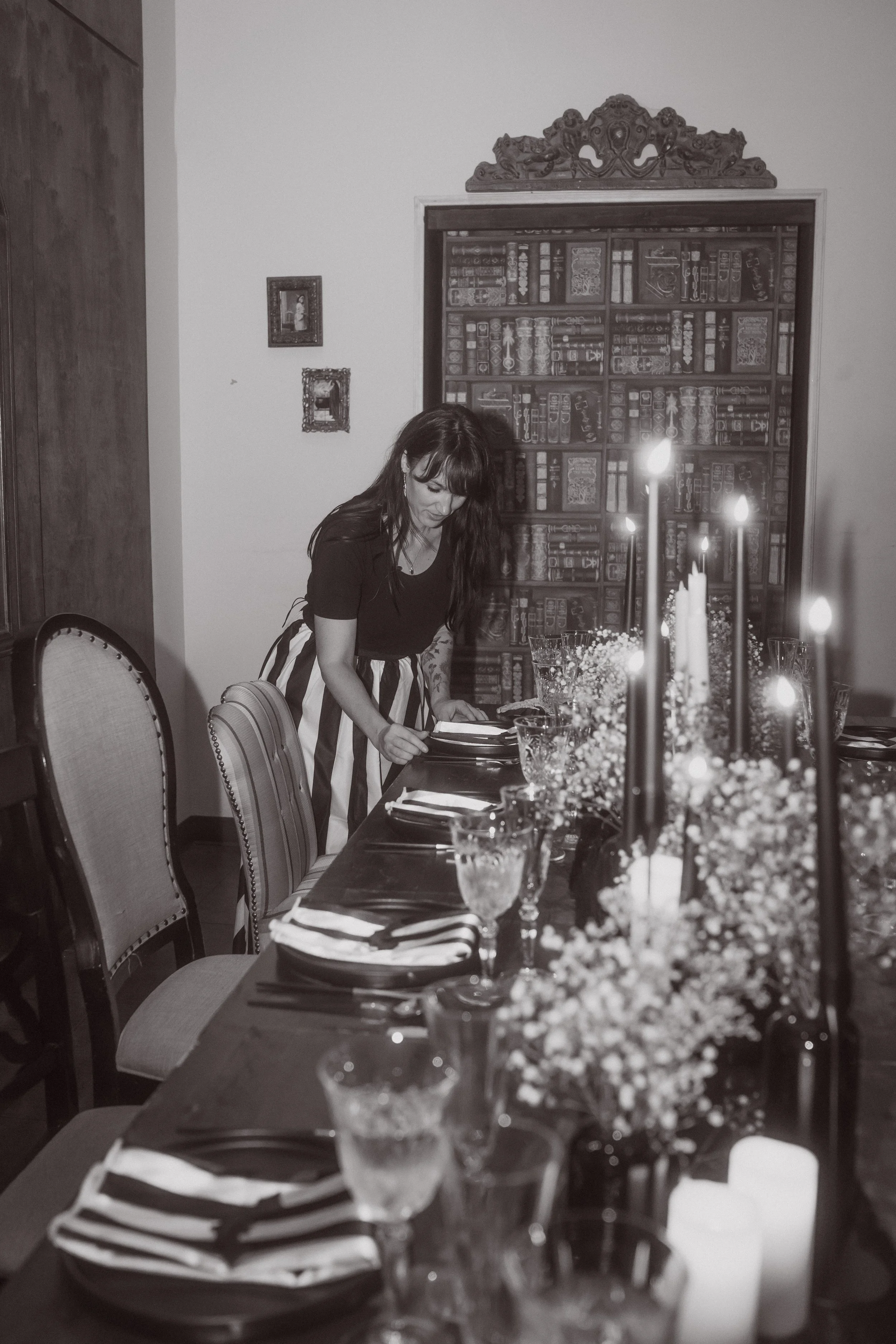
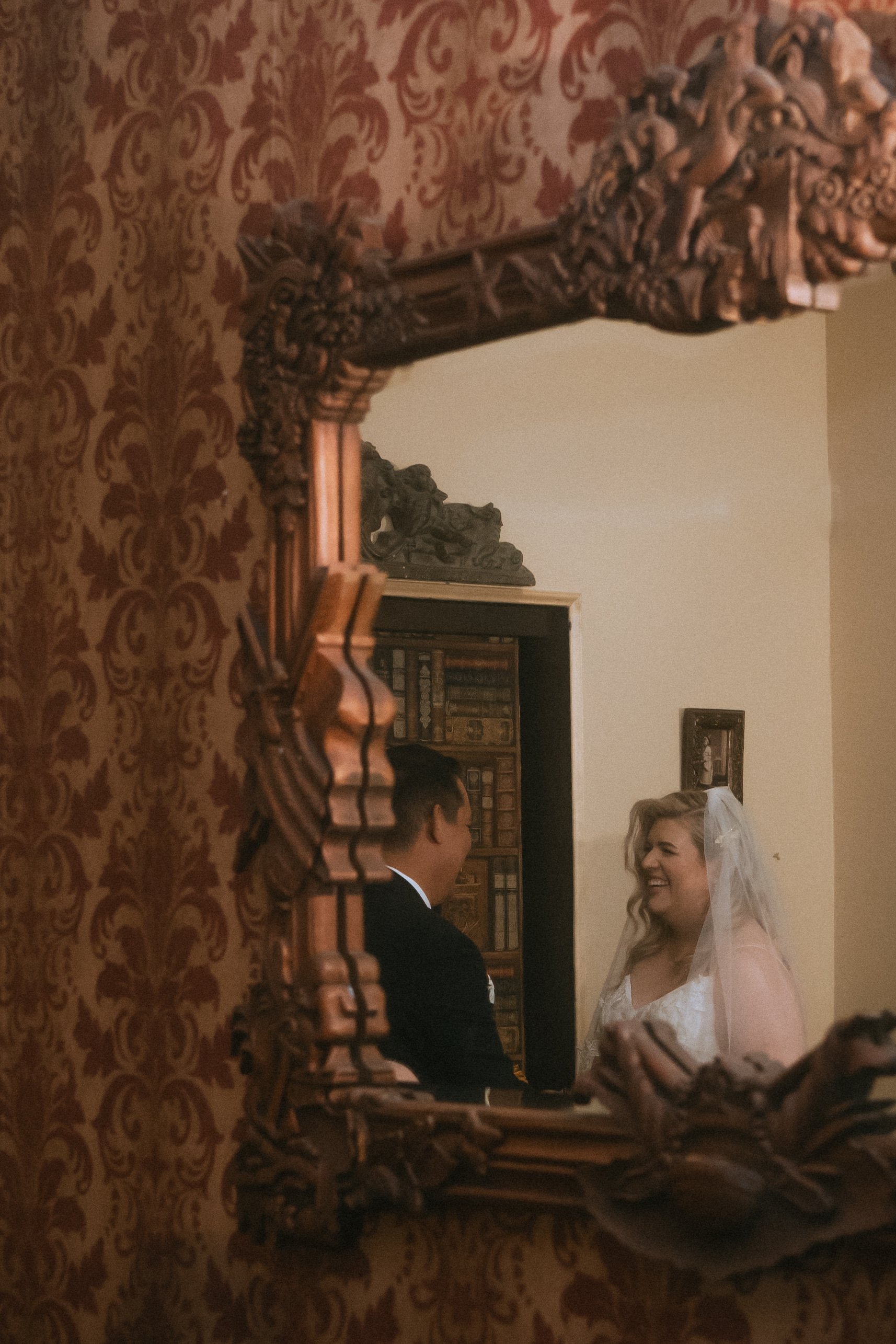
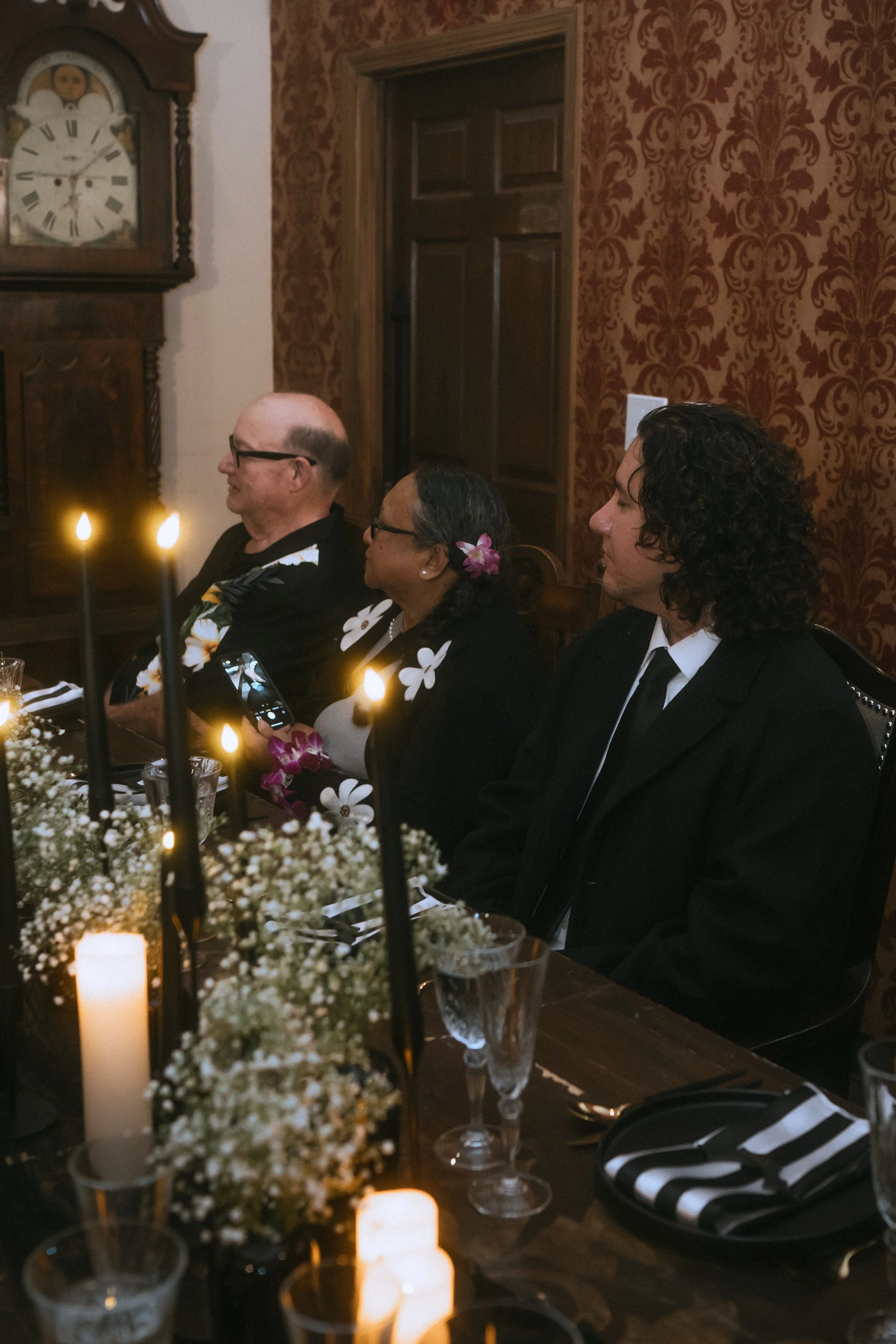
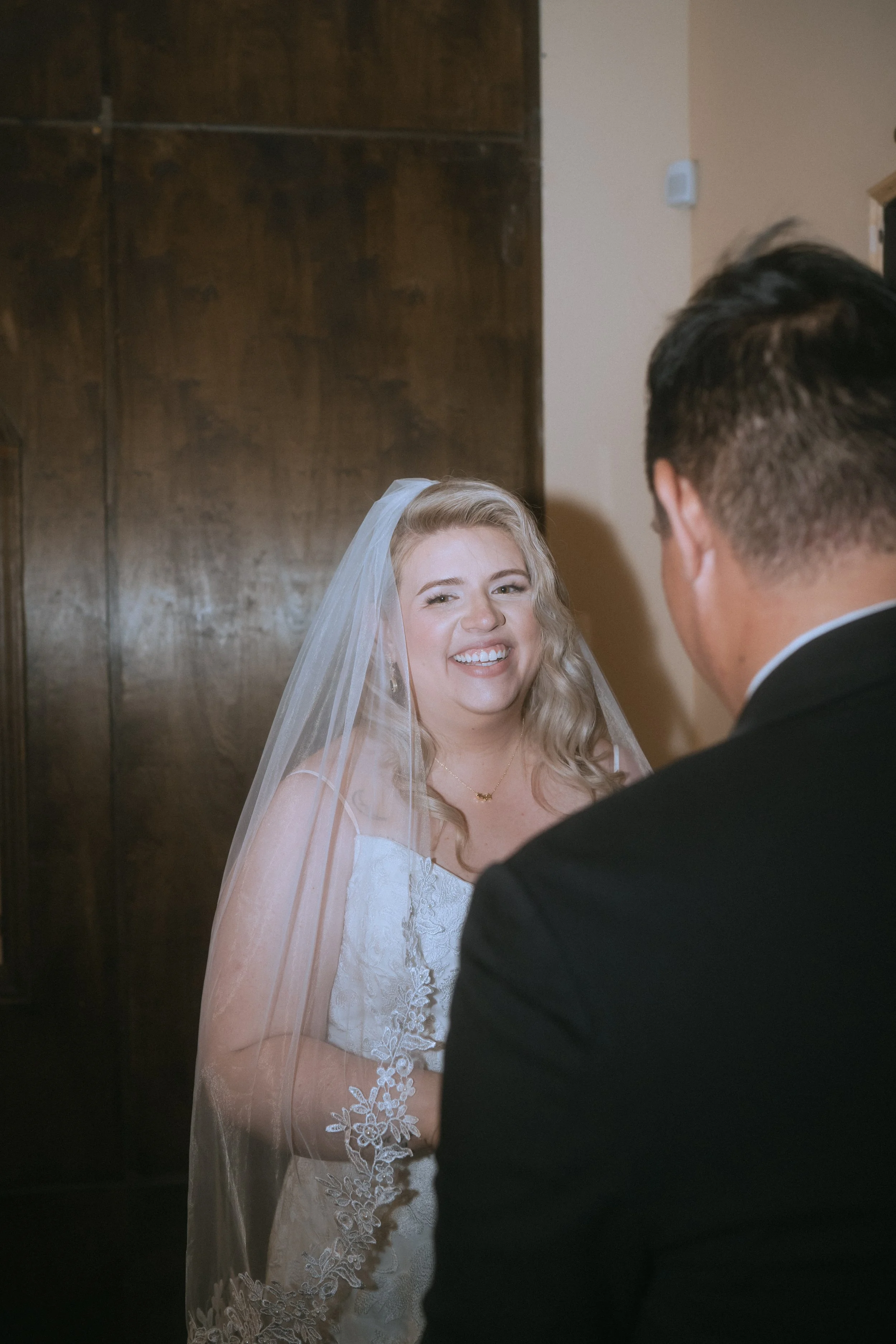

The Reality Behind Non-Traditional Wedding Planning
When you step outside of a traditional wedding format, you also step outside of the built-in systems that most vendors rely on. That means everything has to be created intentionally, not just aesthetically, but operationally.
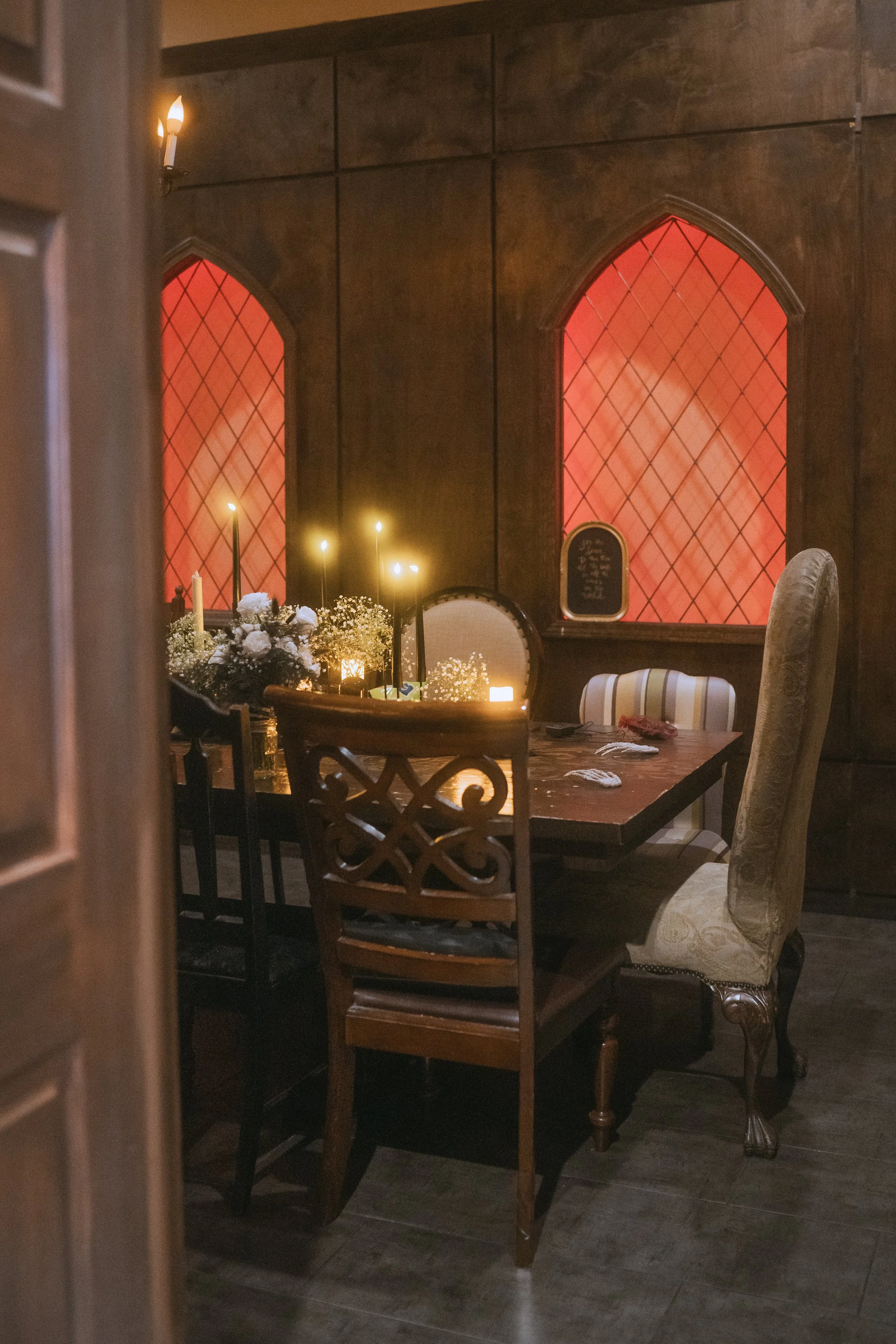
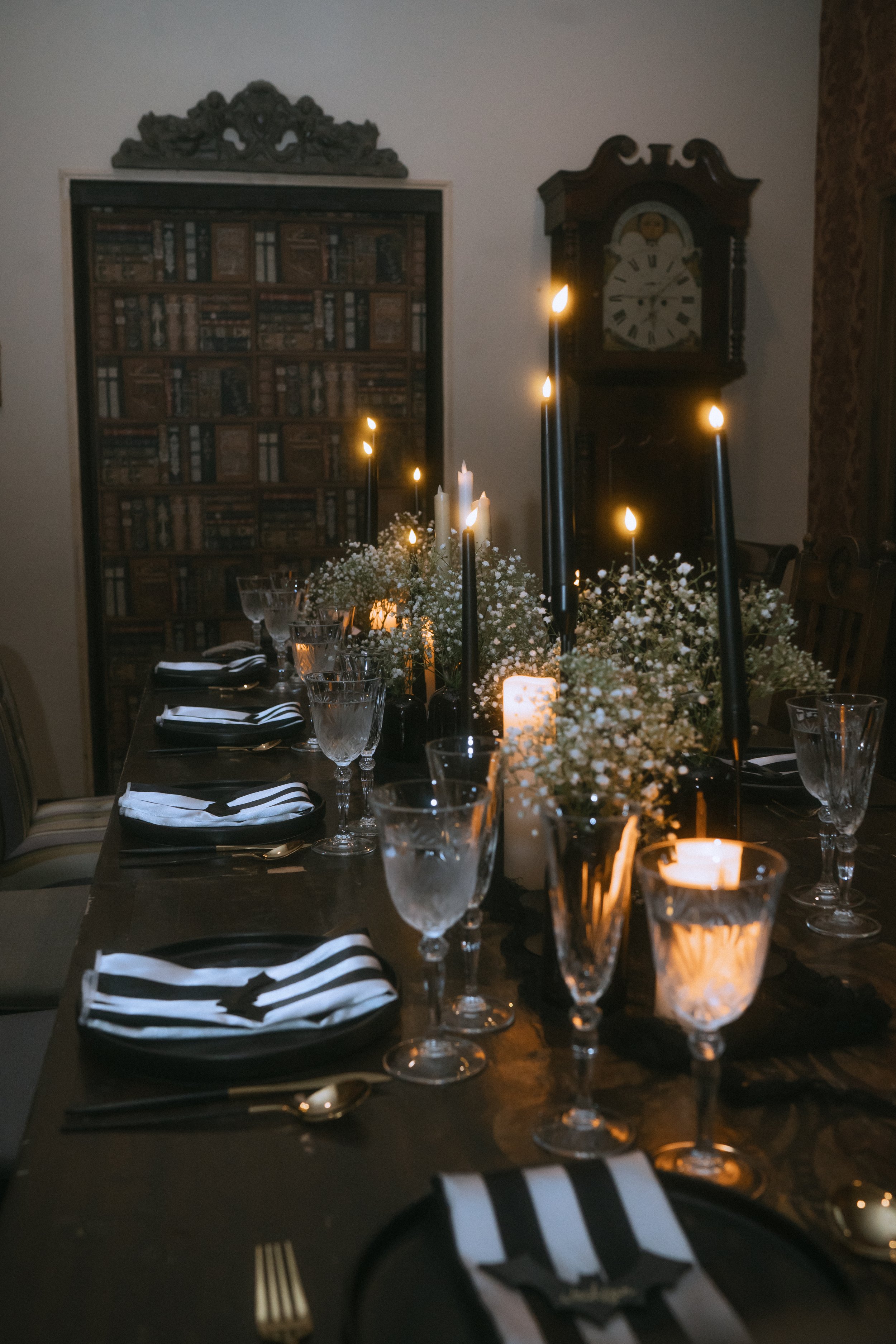
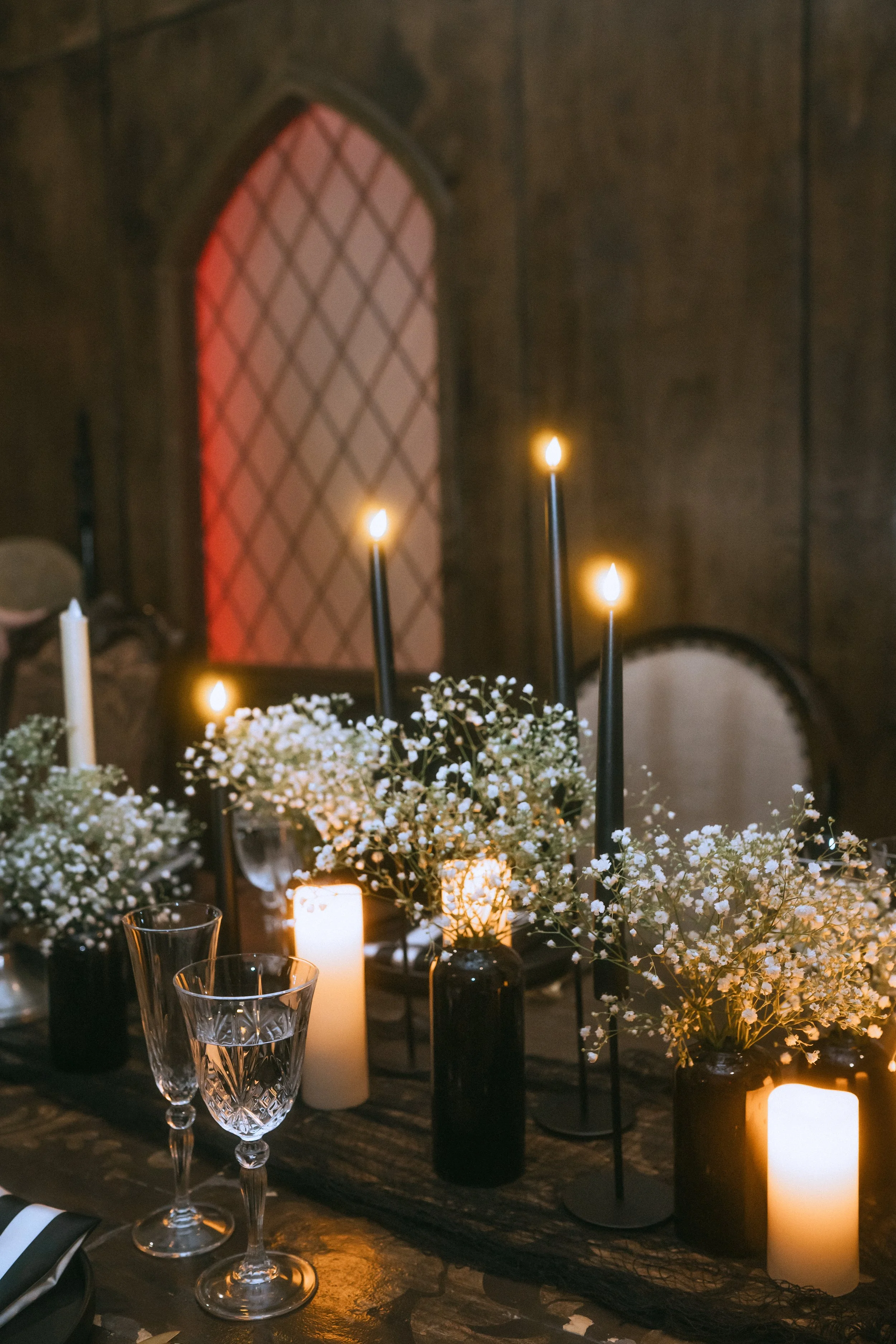
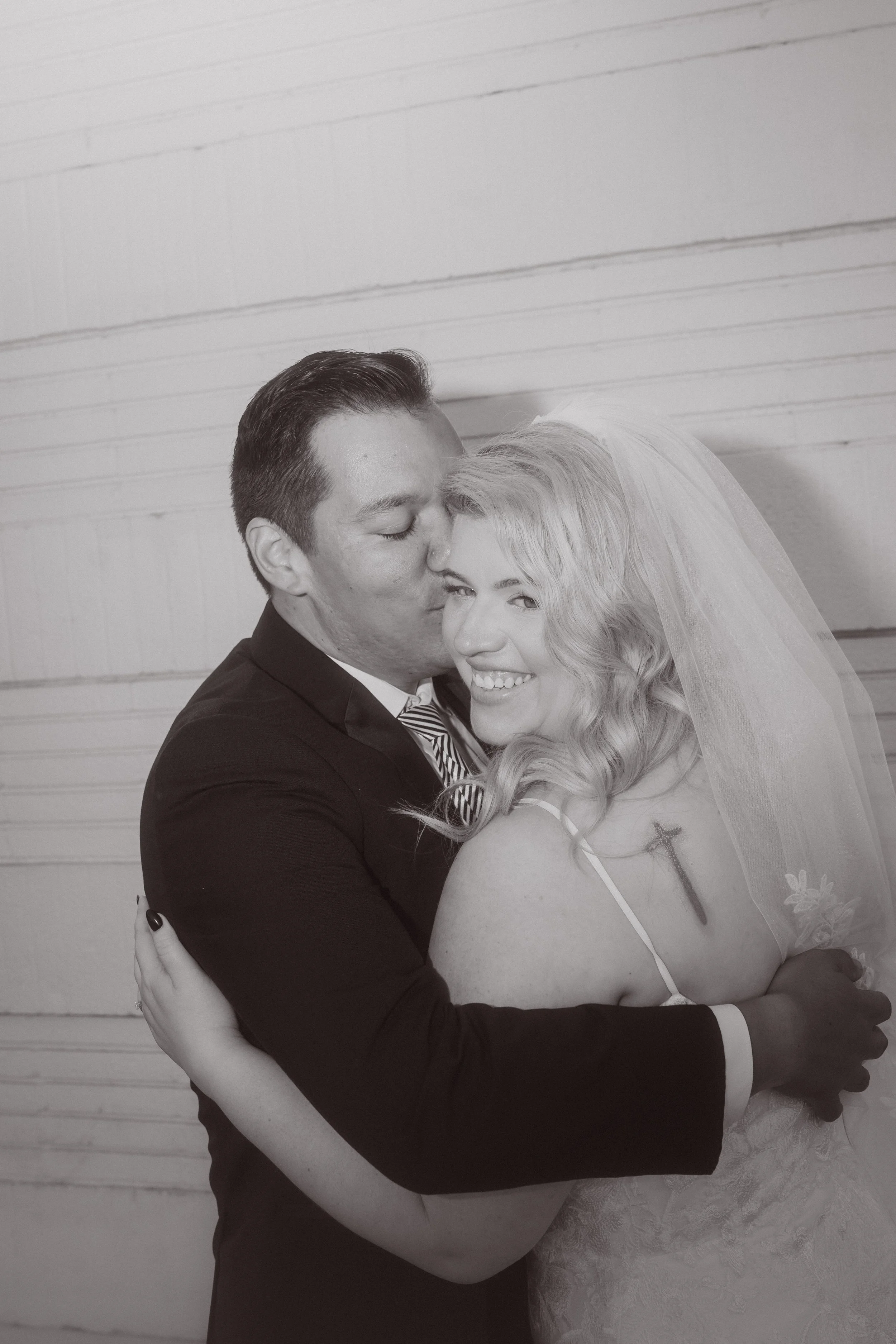
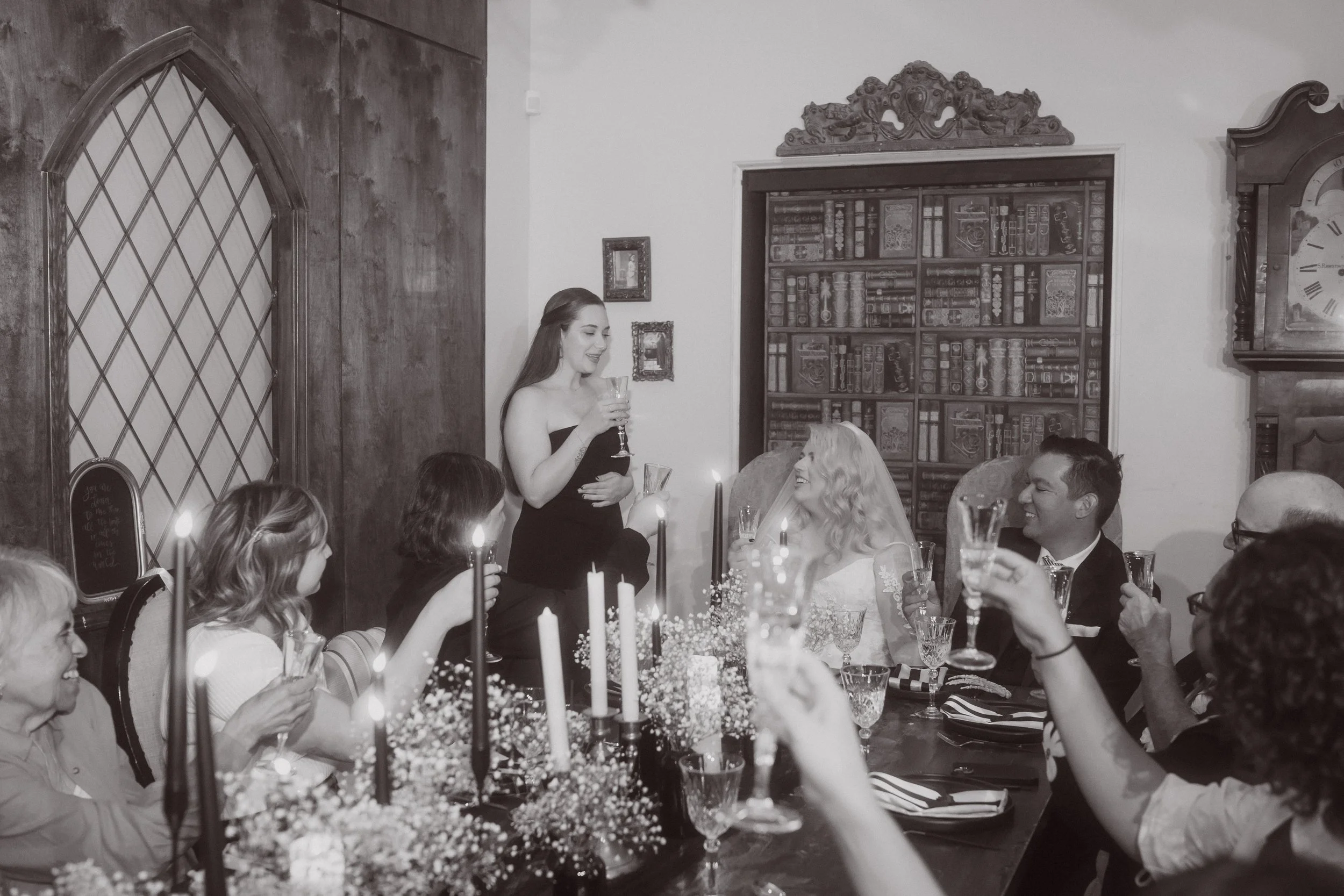
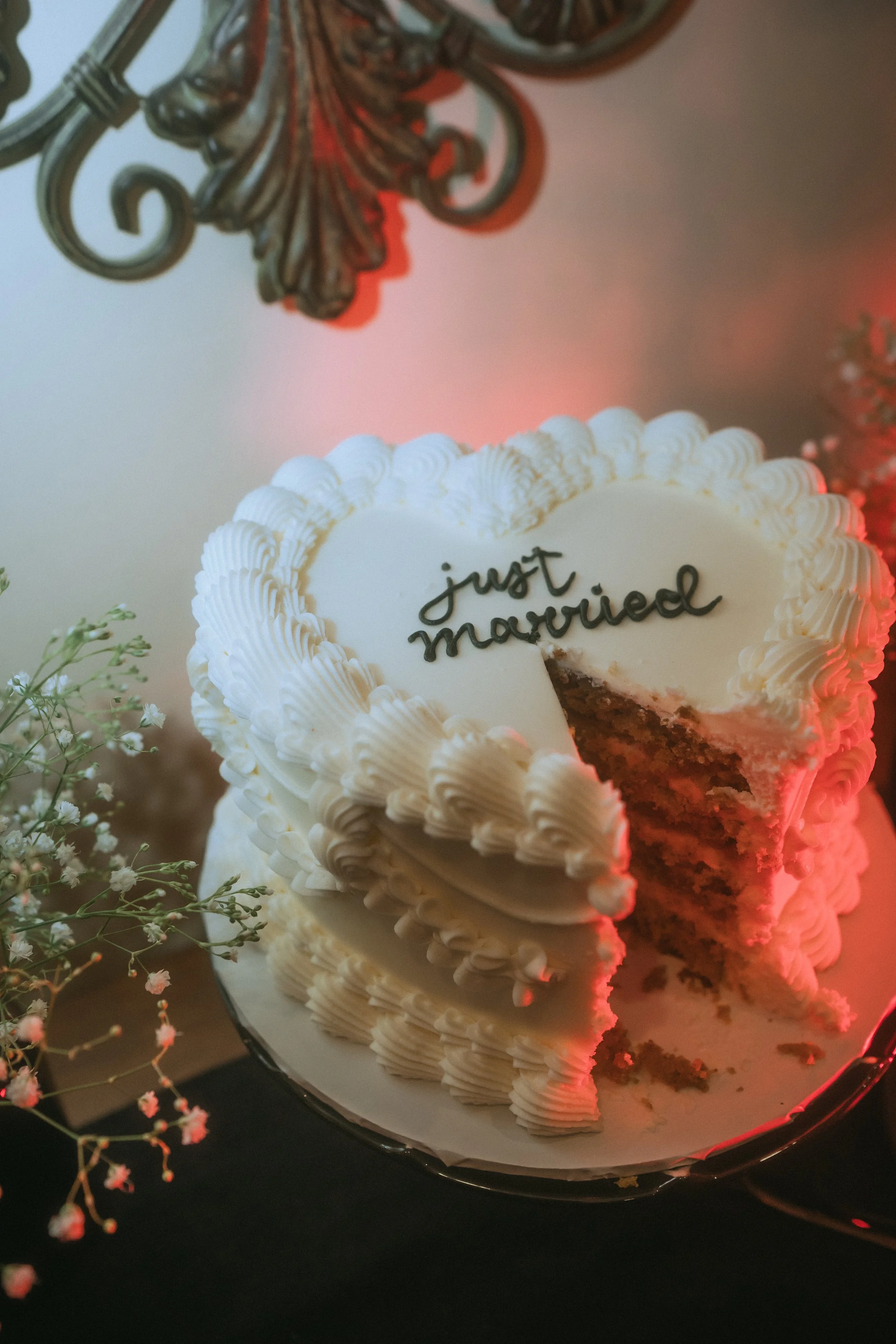
For Katy and Frank, that looked like reworking the entire guest experience for a much smaller, more intimate setting, navigating family dynamics while still protecting their vision, and shifting locations and timelines without losing cohesion.
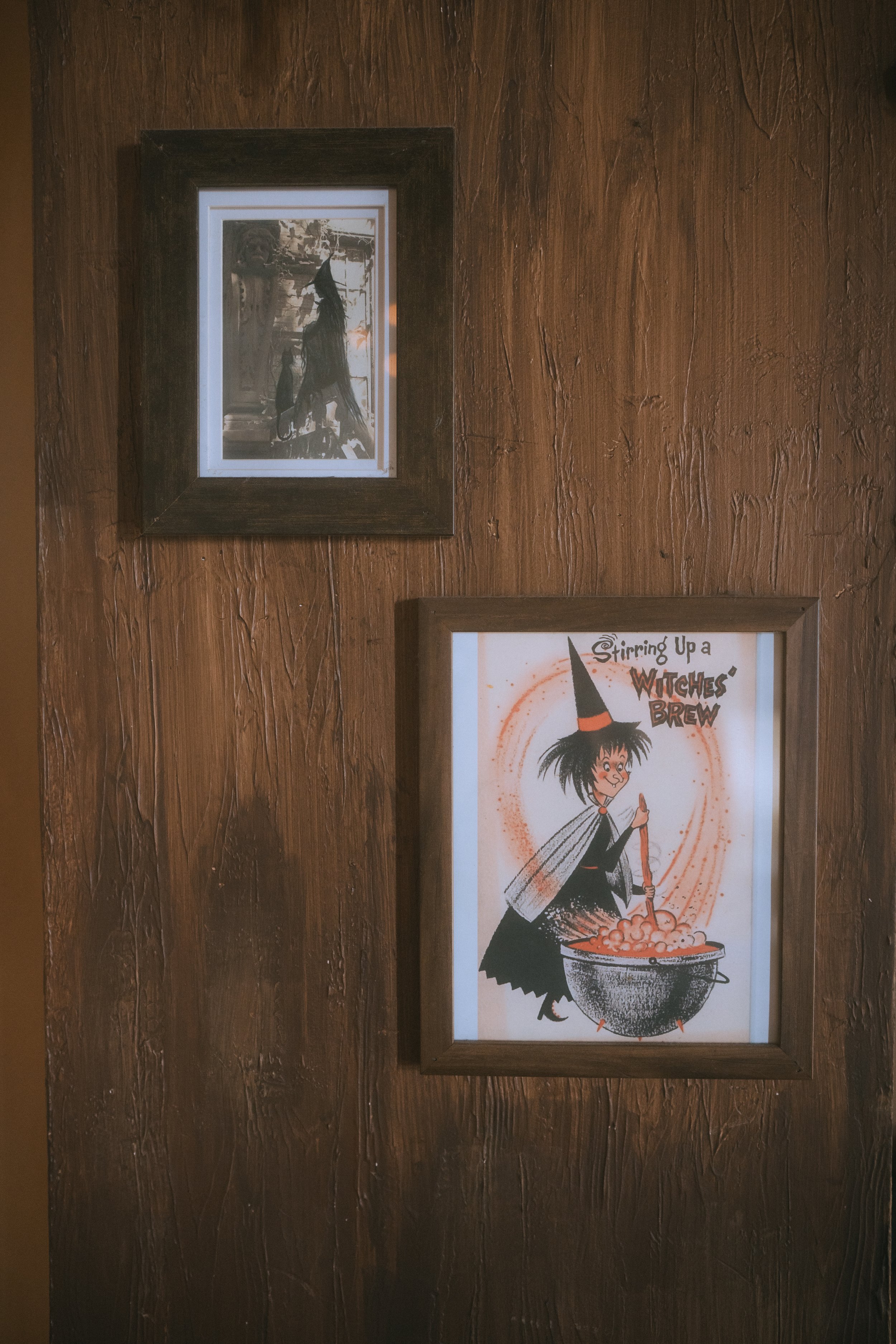
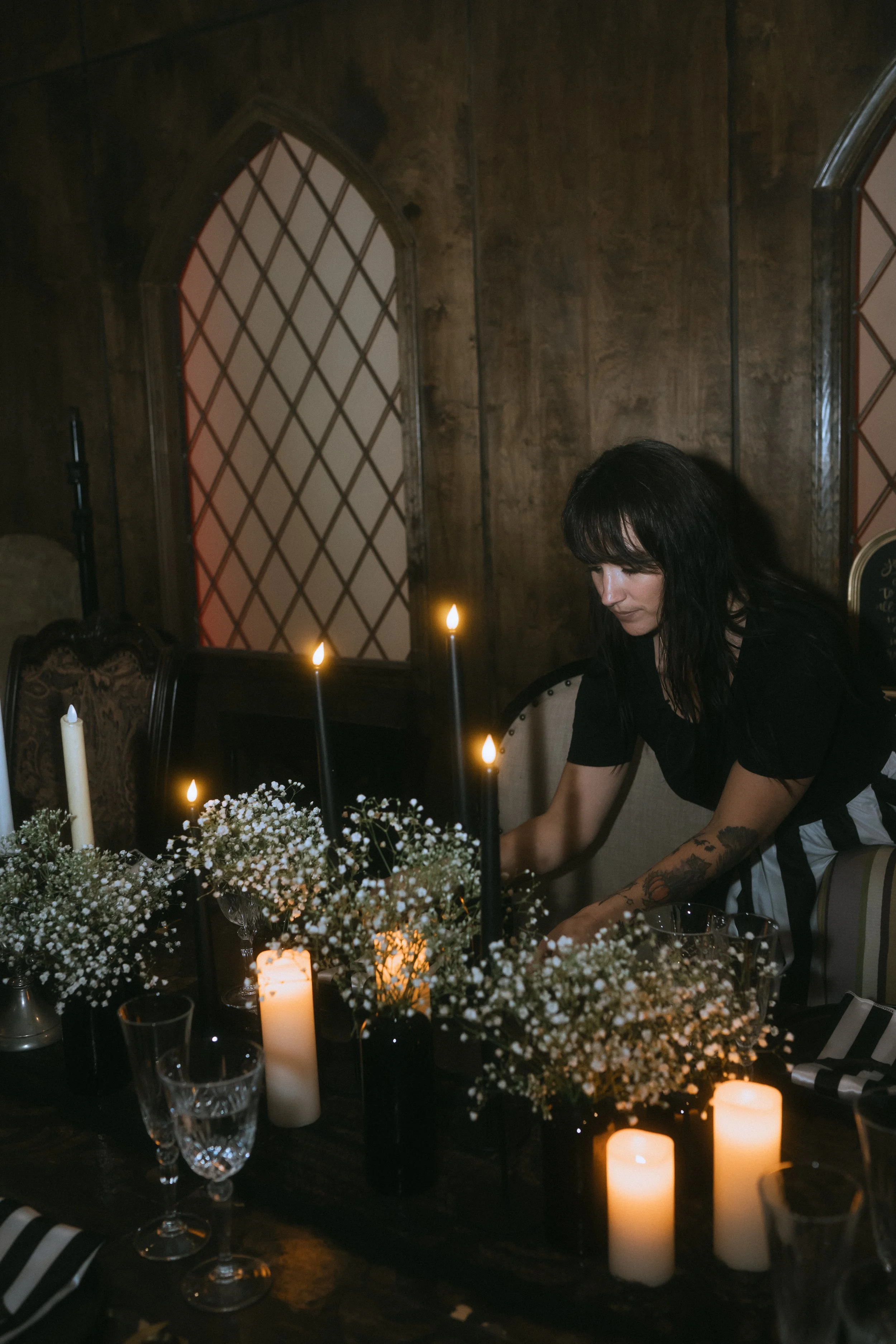
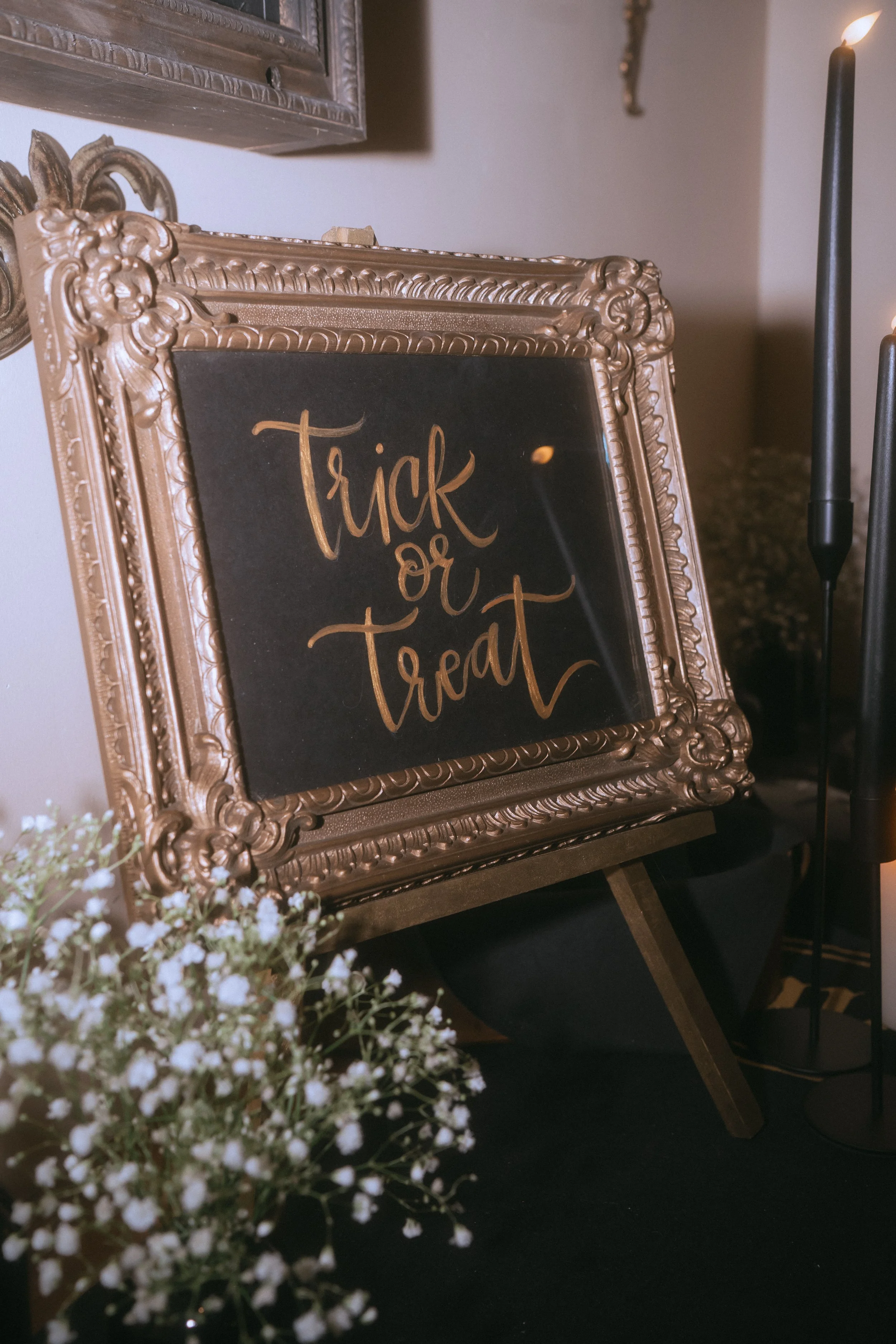
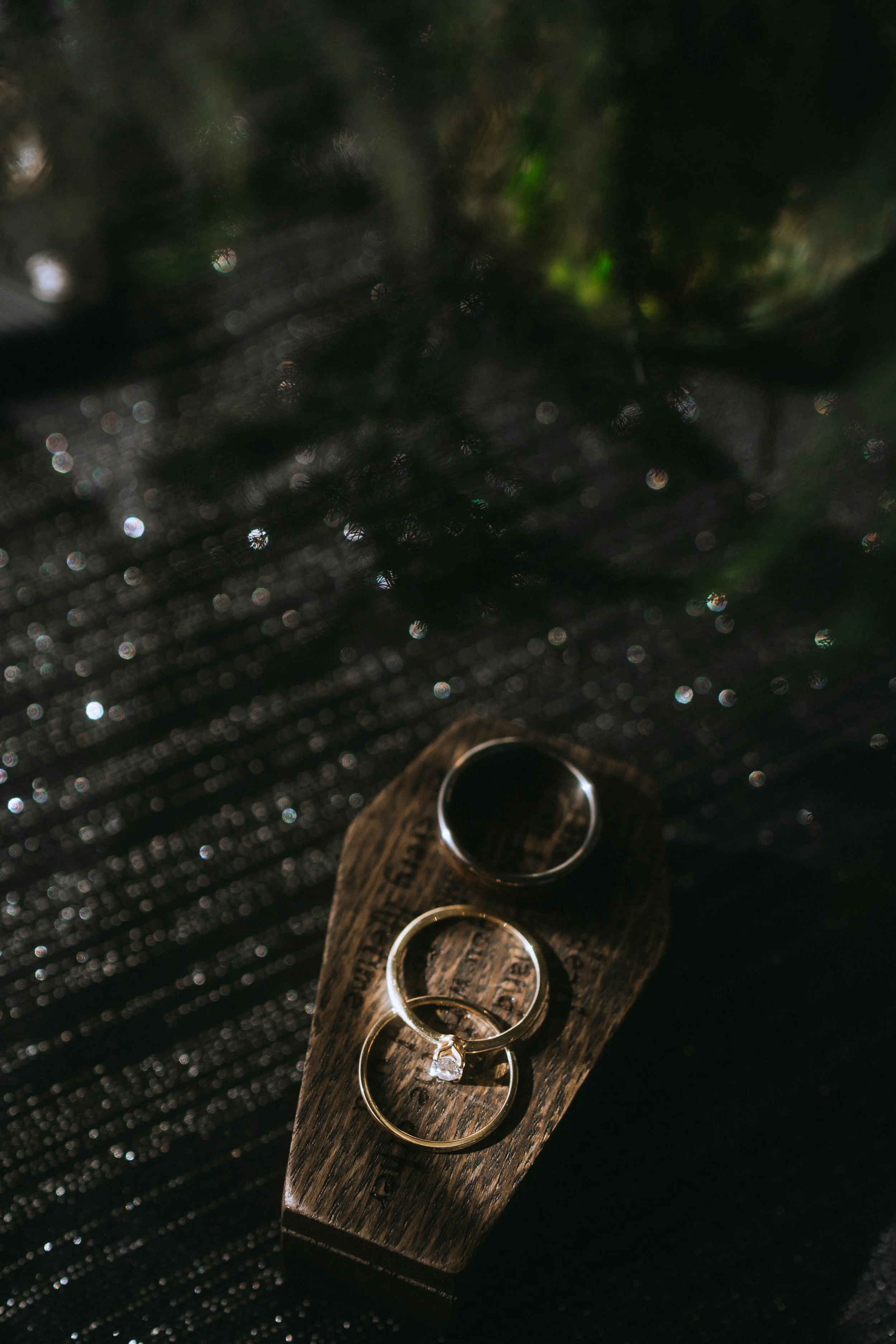
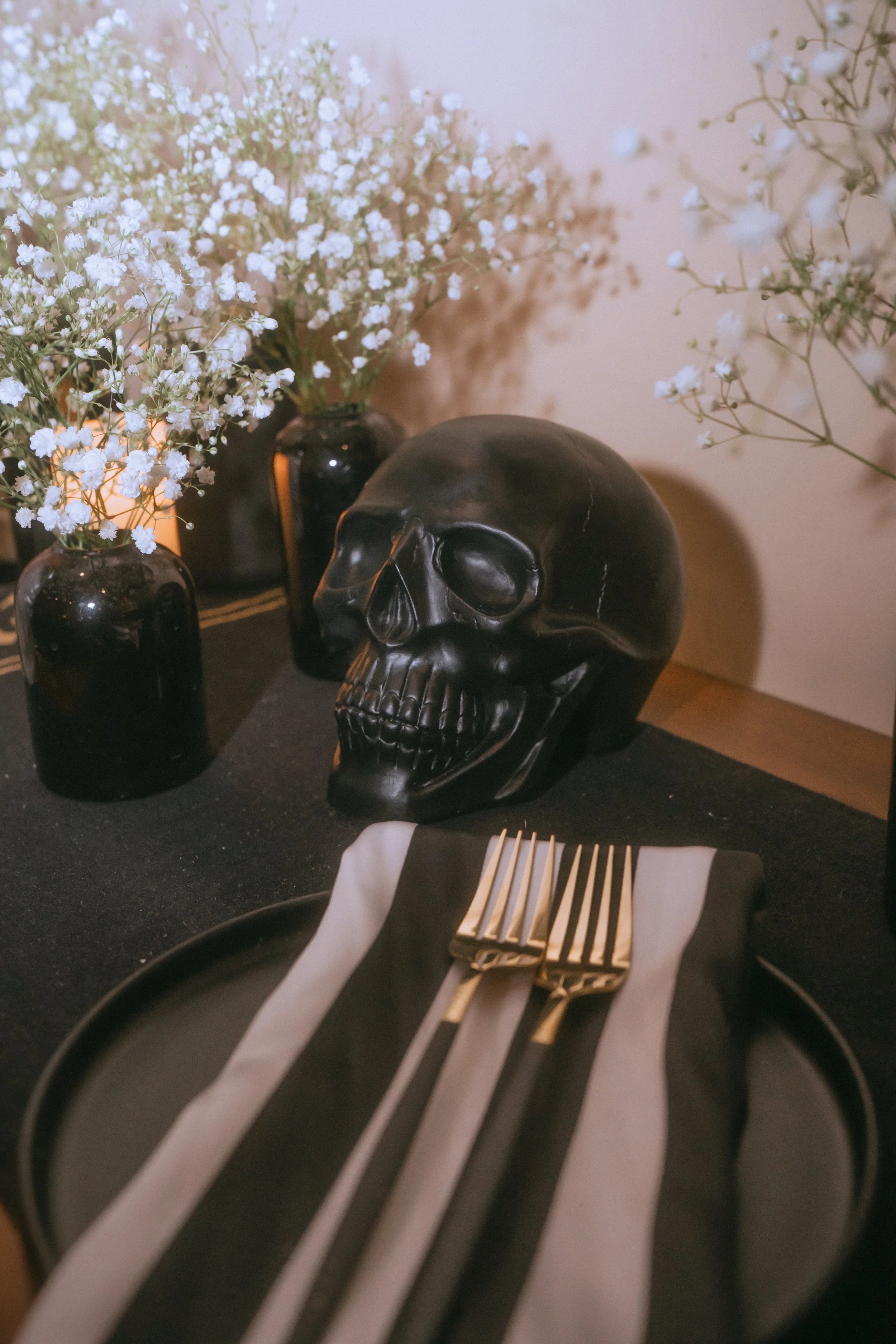
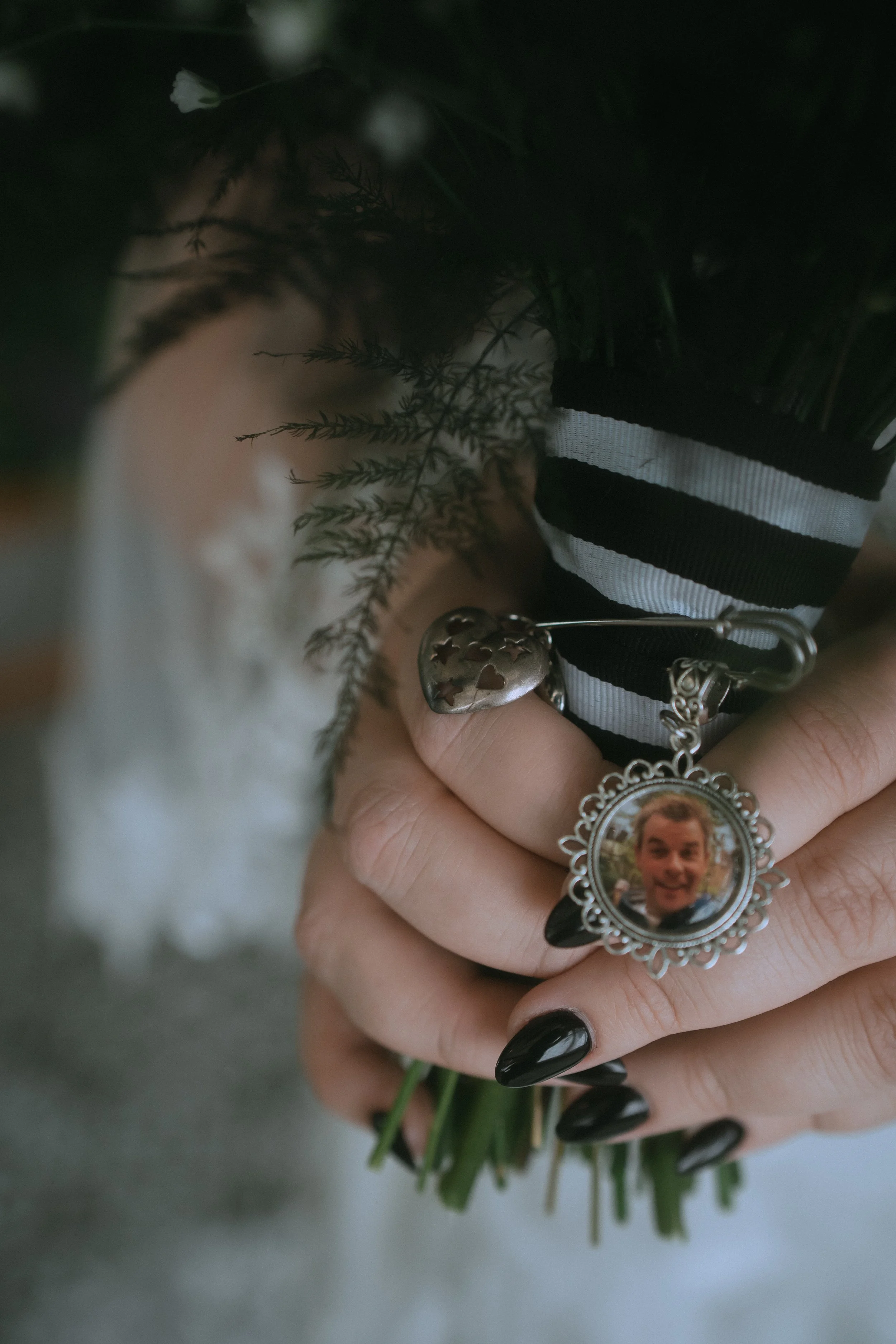
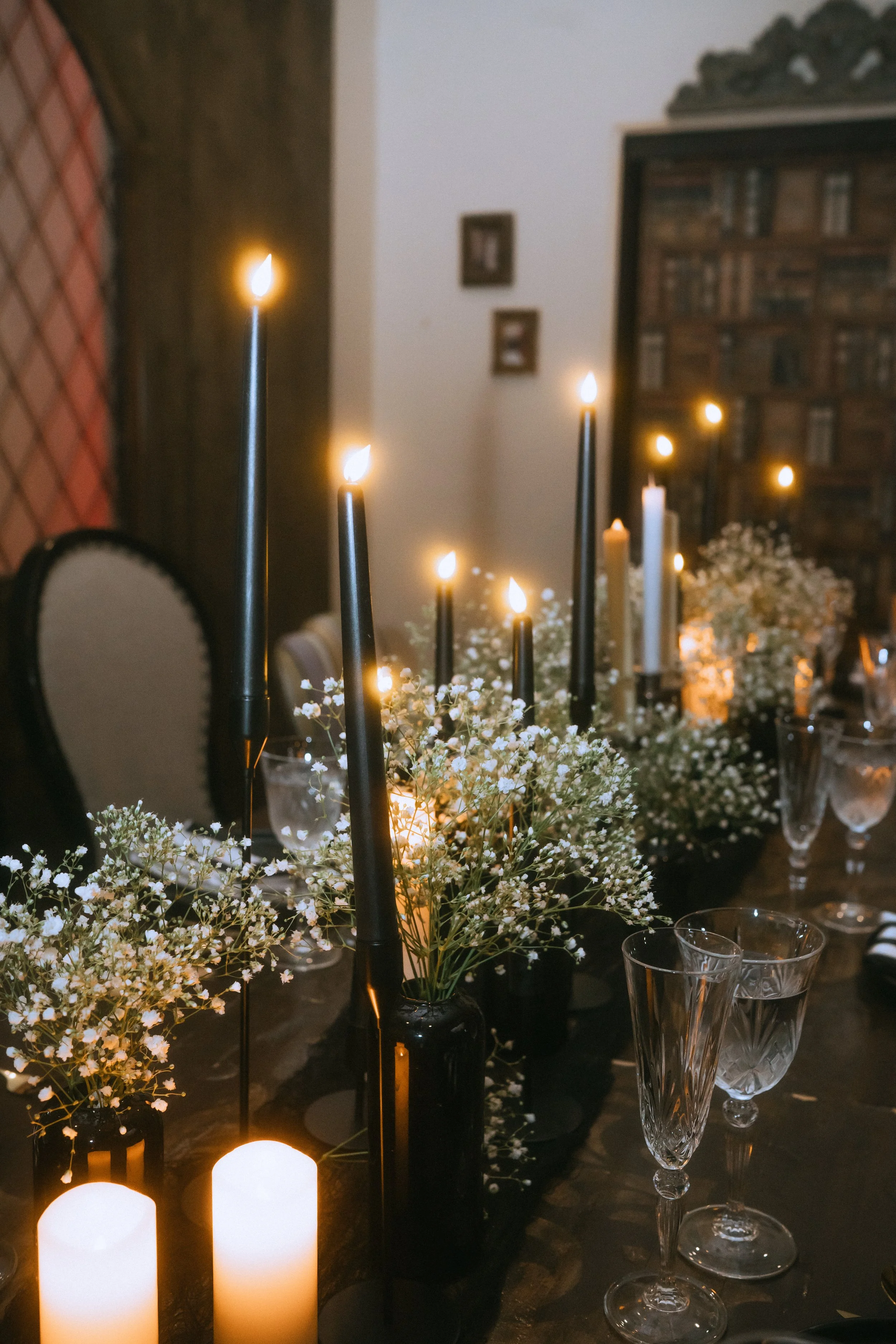
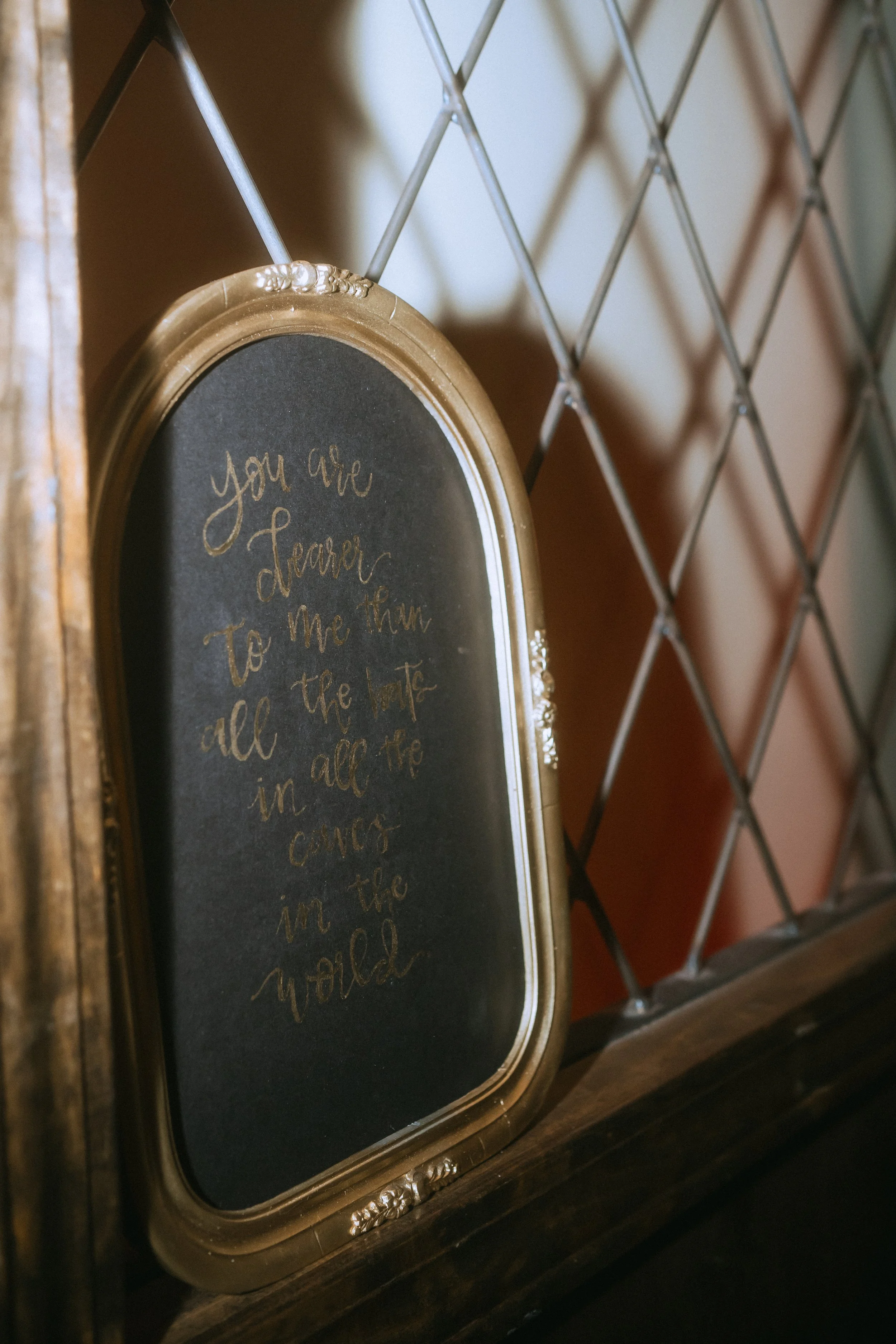
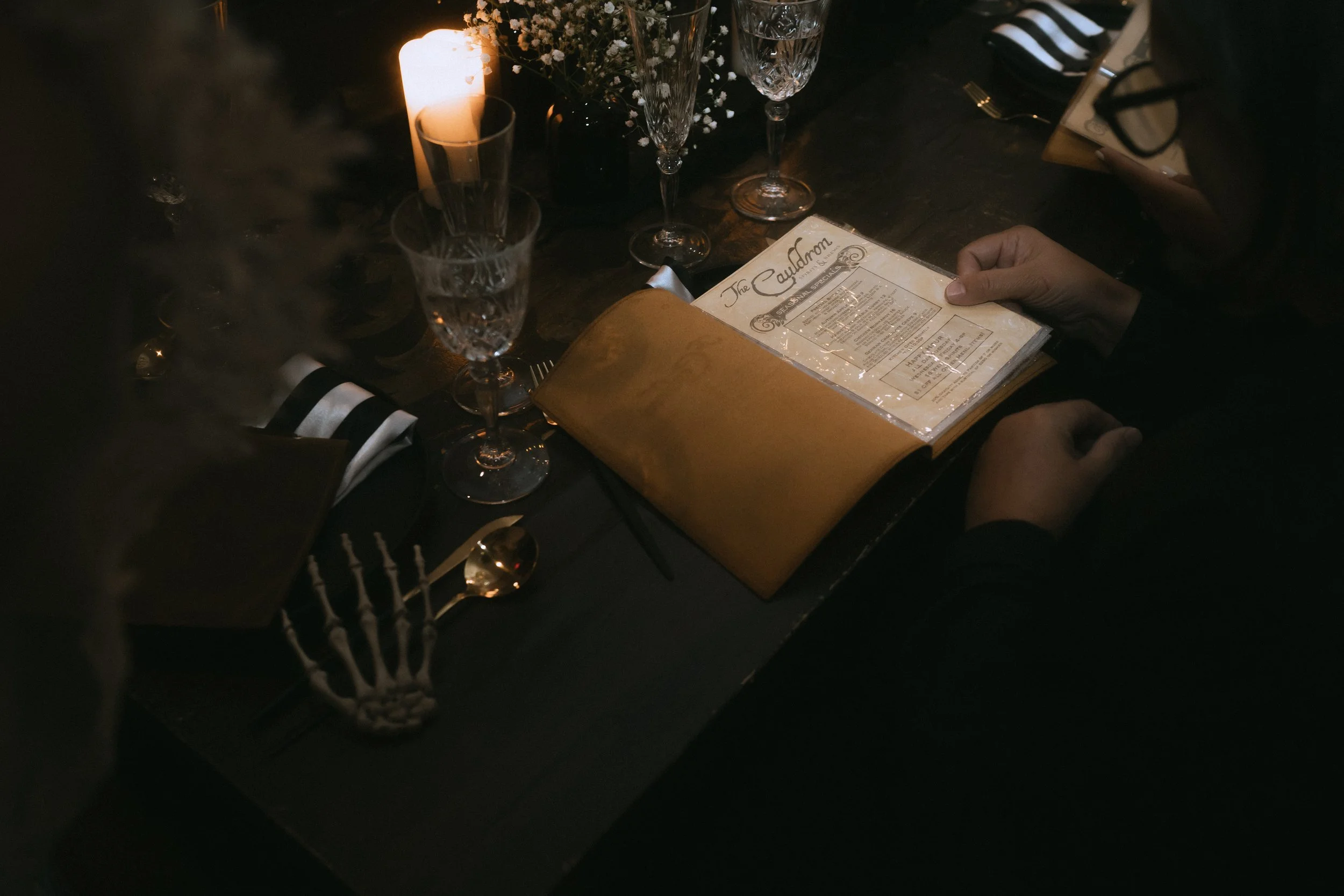
At the same time, their design direction wasn’t traditional either. It pulled from more unexpected inspiration, something expressive and personal rather than predictable
That kind of approach requires more than creativity. It requires alignment. The right wedding vendors have to be brought in, expectations need to be clearly communicated, and every moving piece has to connect in a way that feels intentional rather than pieced together.
Without that, things don’t just feel different. They feel disconnected.
Where a Planner Actually Changes Everything
This is the point where most couples realize they don’t just need help, they need someone leading the process, because once you remove the traditional structure, someone still has to build one that actually works.
That’s where the difference starts to show. This is what full-service planning is designed to do, and why it looks very different from trying to coordinate everything on your own.
You’re not managing vendors or handling logistics, and you’re not navigating complex decisions on your own. Everything is filtered through one point of contact, which allows you to stay focused on the experience instead of the execution.
Decisions are made ahead of time rather than in the moment, vendors are aligned before the day begins, and any changes are handled in a way that never pulls you into them. When something shifts, whether it’s logistical or emotional, you’re supported through it in a way that keeps the experience intact instead of letting the moment unravel.

How I Structure Non-Traditional Weddings So They Actually Work
You don’t get a well-run non-traditional wedding by figuring it out as you go. You get it through structure. This is the same structure I use with my clients through full-service planning to make sure nothing feels rushed, missed, or overwhelming.
Phase 1 — Development
This is where we define what your wedding actually is. Not what it’s supposed to look like, but what matters most to you both. We establish priorities, clarify what stays and what doesn’t, and create a foundation that everything else can build on. Without this, the planning process feels scattered and uncertain.
Phase 2 — Design
This is where your vision becomes cohesive. It’s not just about how things look, but how they feel and how everything connects. We shape the atmosphere, the flow, and the overall experience so nothing feels random or out of place.
Phase 3 — Details
This is where everything either comes together or starts to fall apart. Vendor coordination, timeline creation, and managing the details that support the experience all happen here. This phase is often underestimated, but it’s what allows the day to function without stress.
Phase 4 — Day-Of
By the time your wedding day arrives, there’s nothing left to figure out. Everything has already been decided, planned, and communicated. So when something unexpected happens, it doesn’t interrupt the day. It gets handled quietly, without ever needing your attention.
The Part Most People Don’t Plan For
Non-traditional weddings often focus heavily on being different, but what actually makes them work is how they feel.
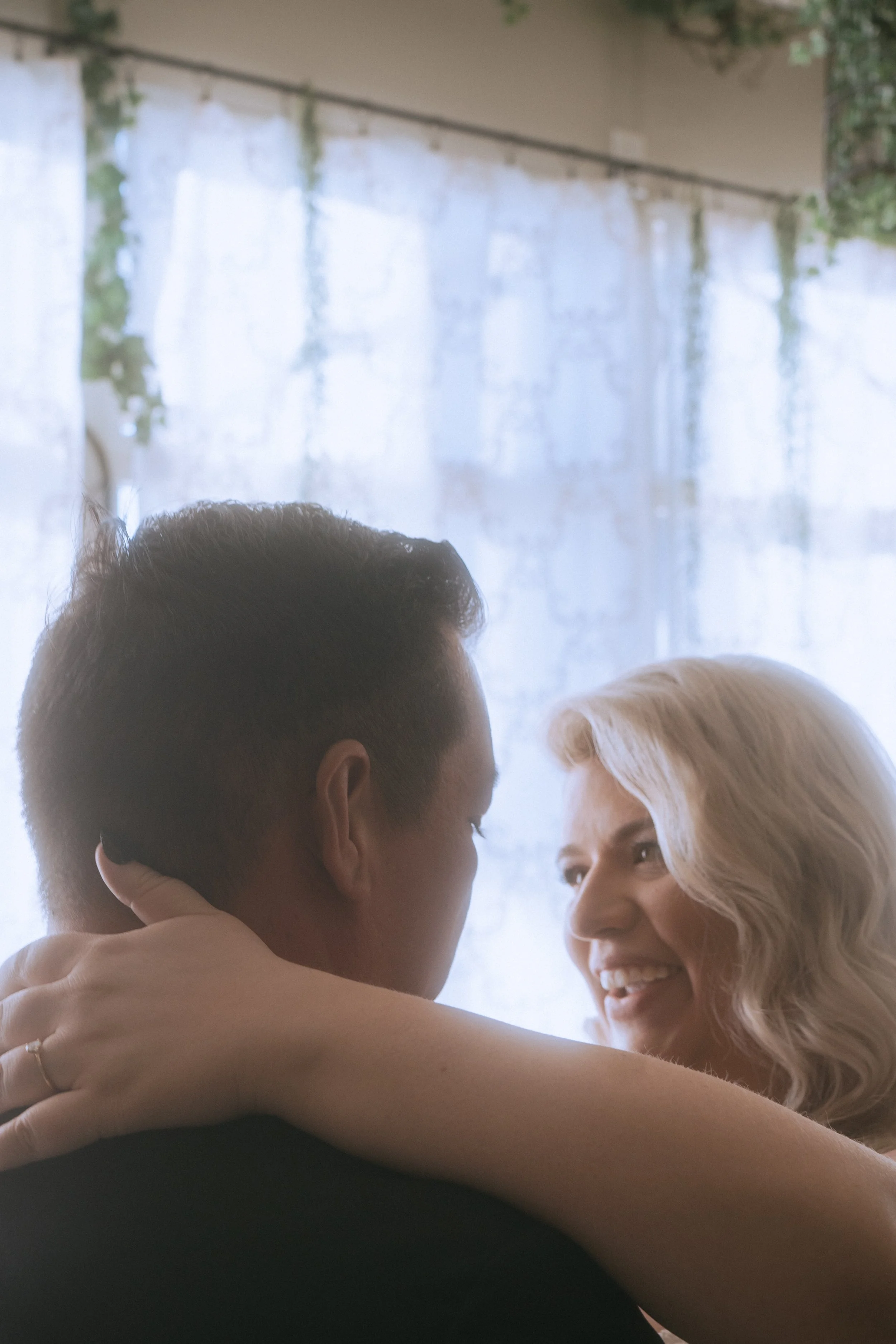
The moments people remember aren’t about whether the wedding followed tradition. They’re about how connected everything felt, how naturally the day flowed, and how present the couple was throughout it. Those moments don’t happen by accident. They’re created intentionally.
Without that layer, even the most creative wedding ideas can feel flat. With it, everything feels aligned in a way guests can feel, even if they can’t quite explain why.

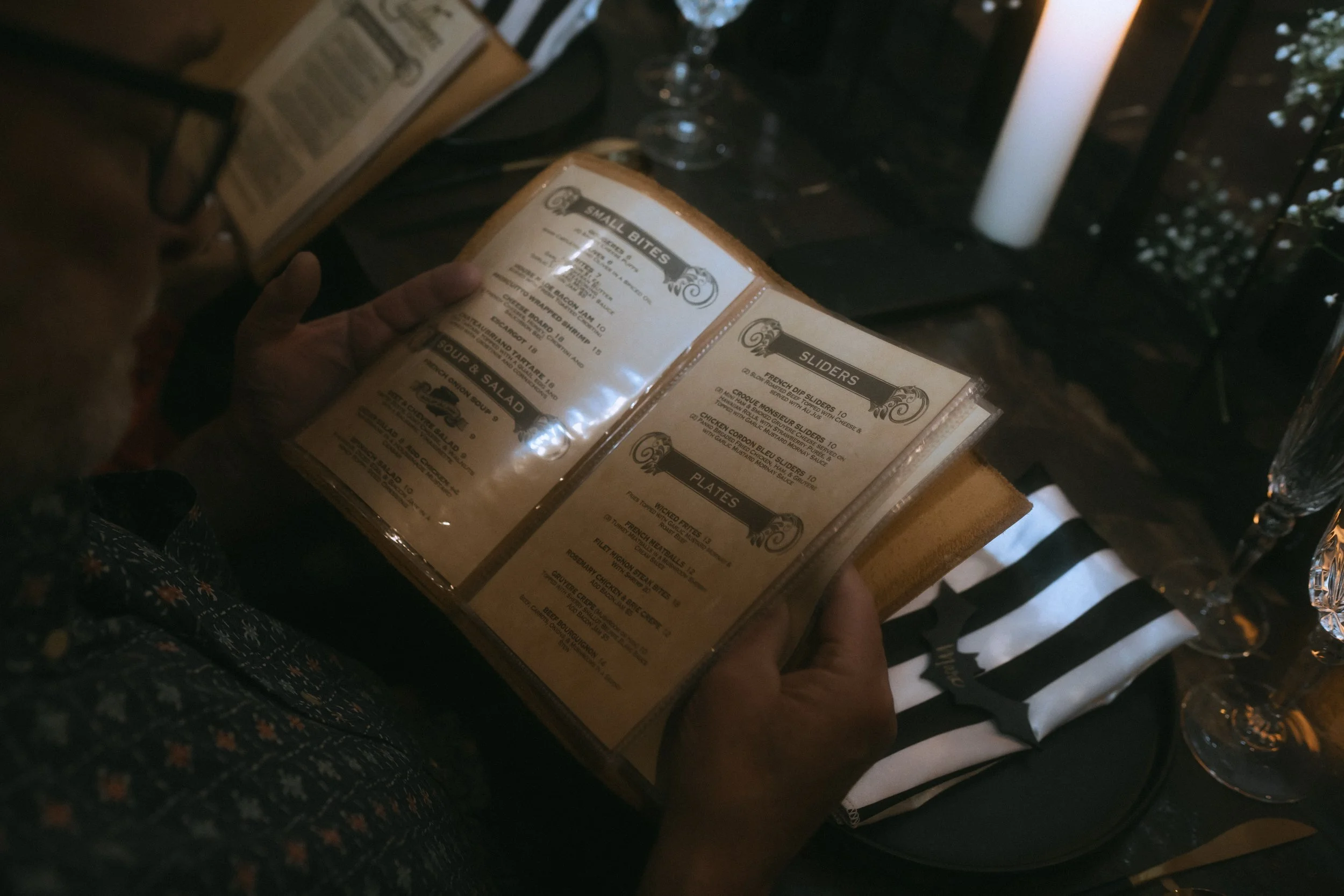
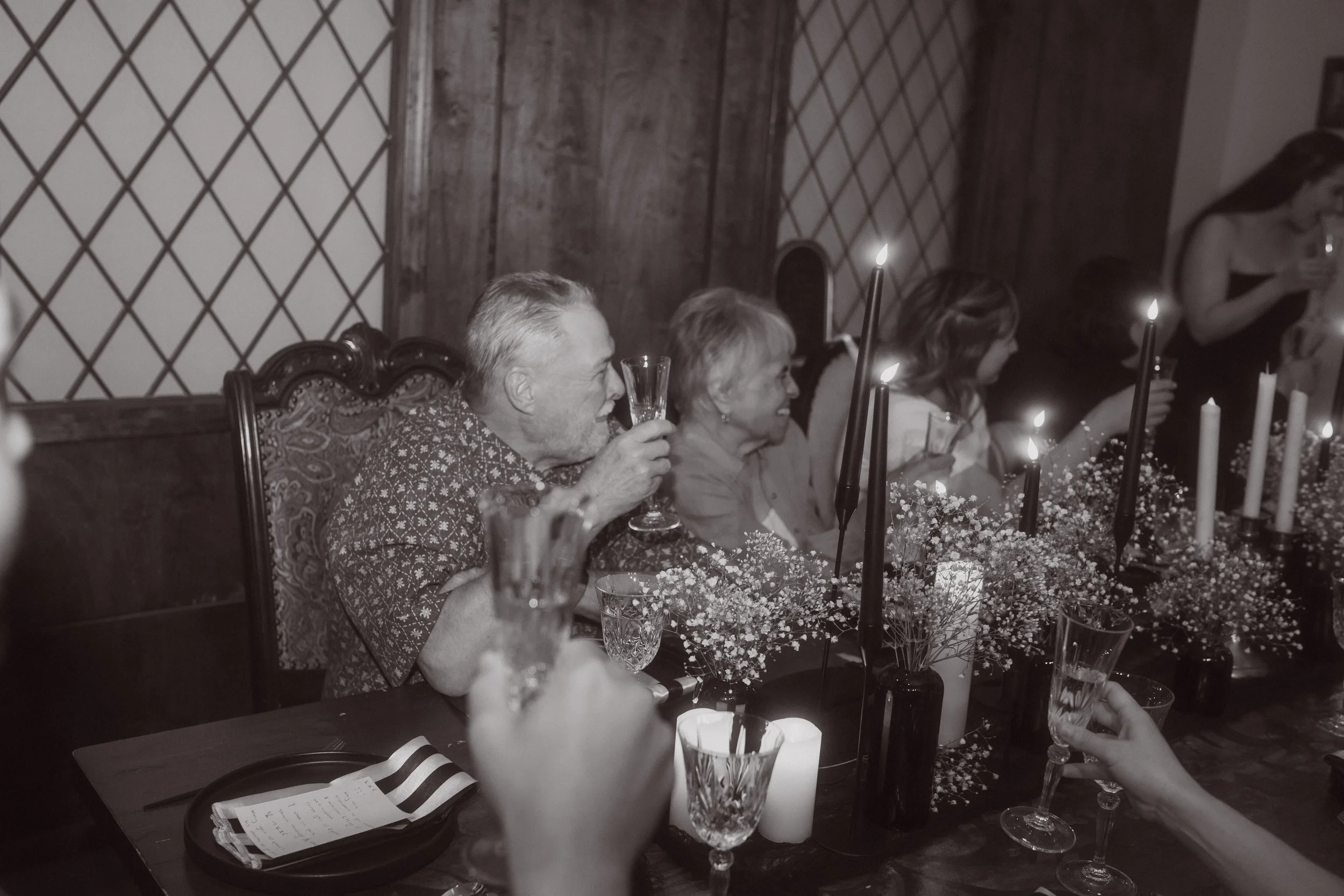


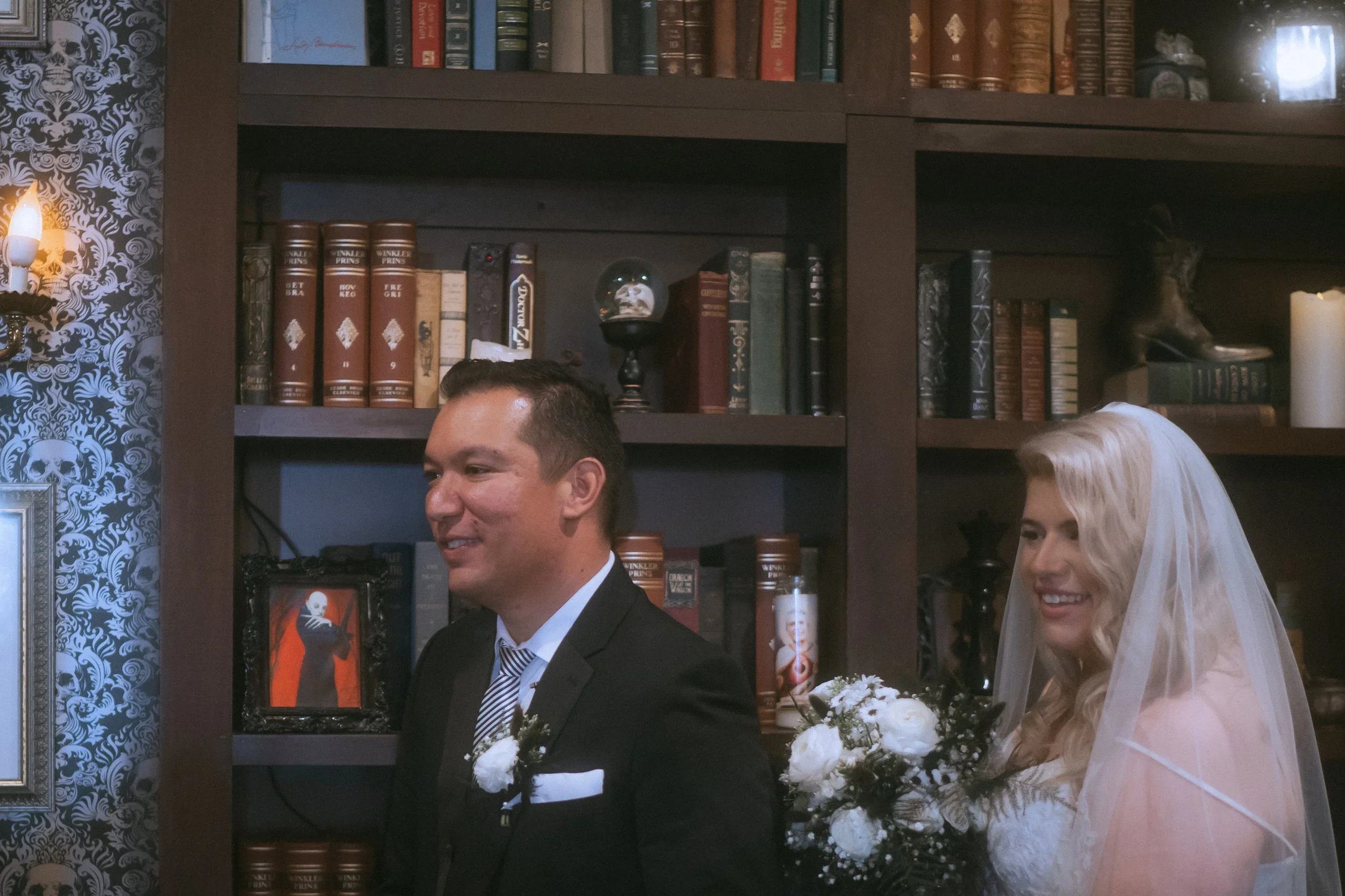

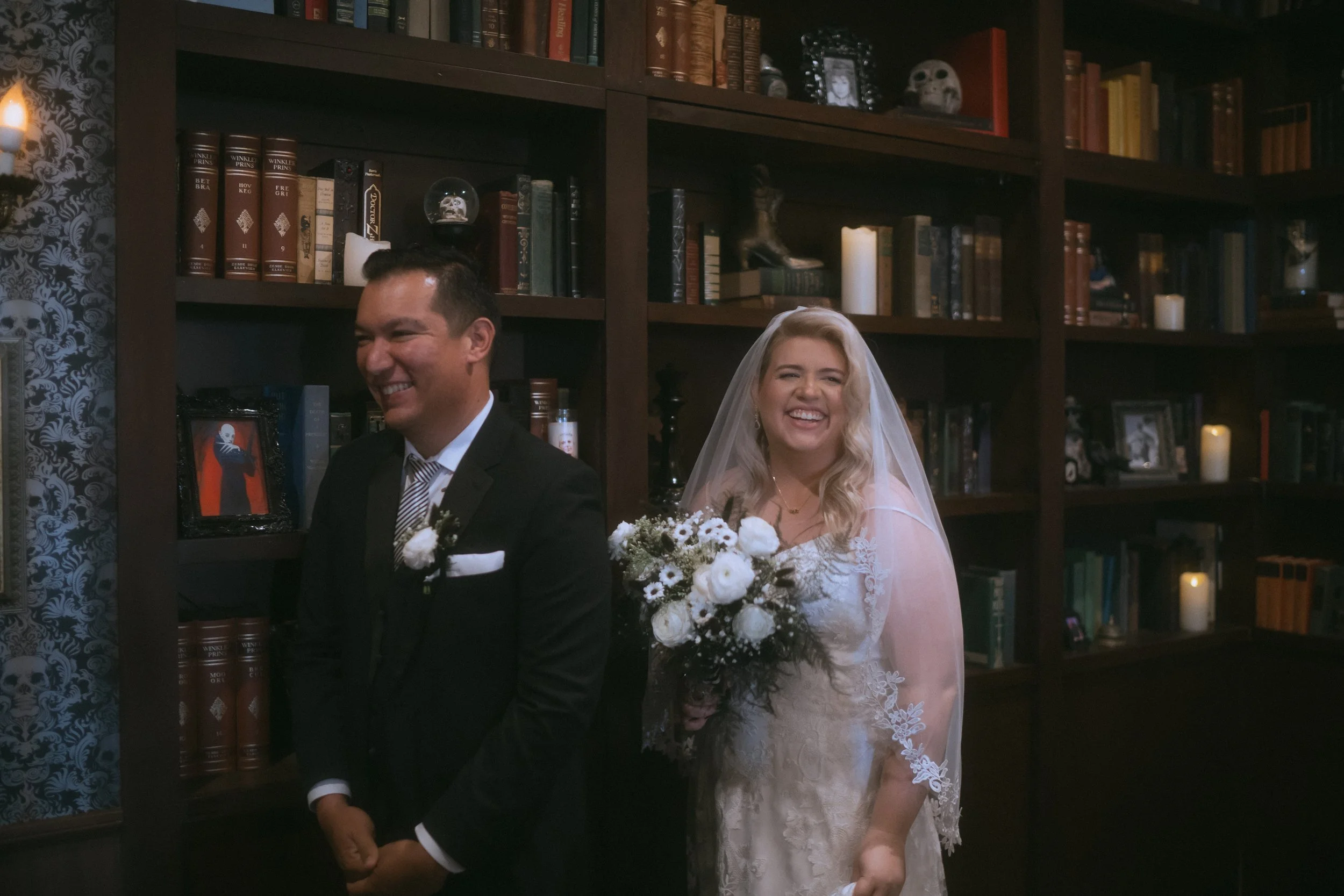
What It Looks Like When This Is Done Right
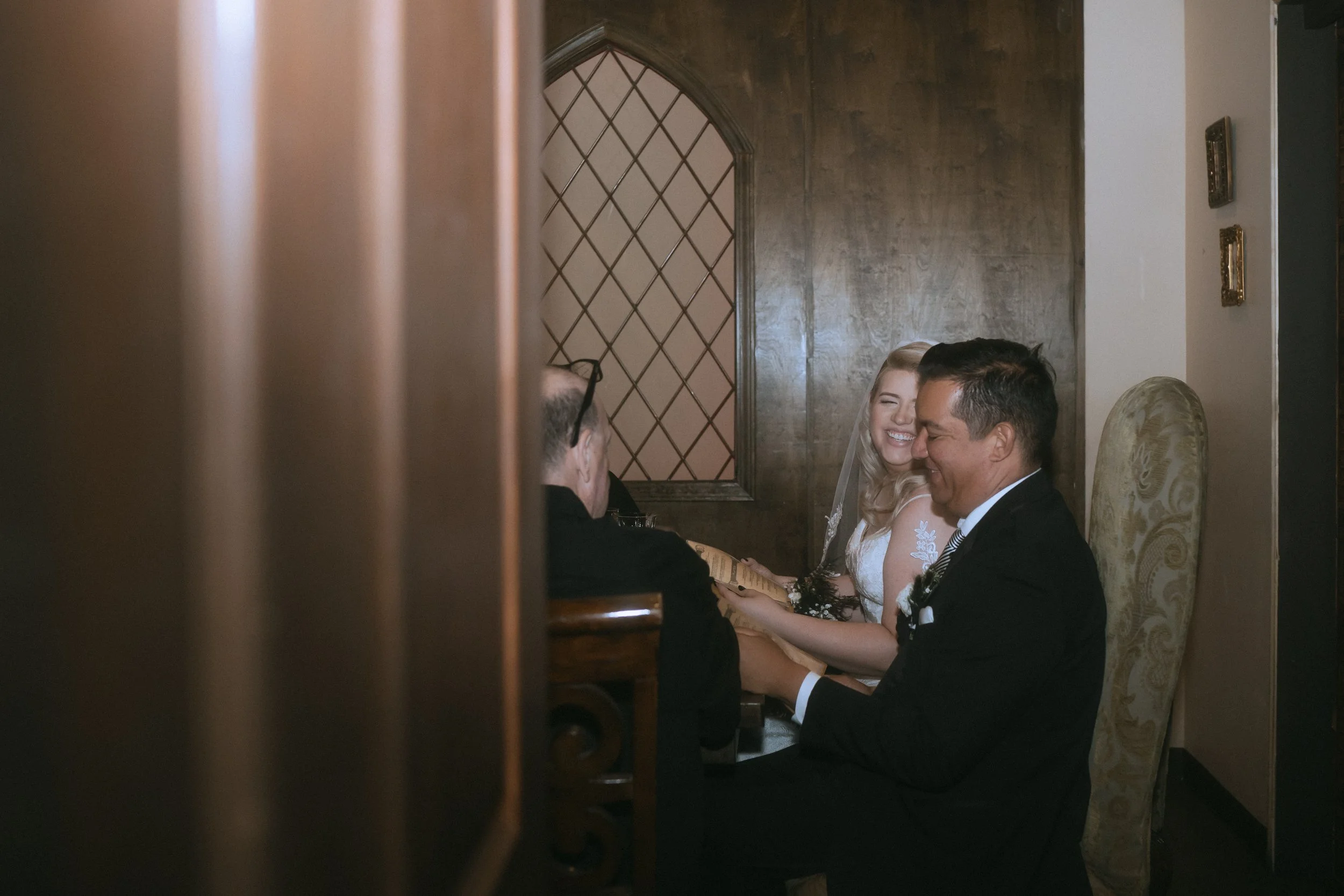
You’re not managing anything. You get to wake up and move through the day without being pulled in different directions. Conversations happen naturally, time feels structured without being rigid, and you’re able to stay present instead of constantly thinking about what’s next.
Even when something shifts, you don’t feel it because it’s already being handled by my team and me. That’s what removes wedding planning overwhelm and replaces it with something much more grounded.
What Happens Without This Level of Planning
Even the most thoughtful non-traditional wedding ideas can break down without structure.
Vendors end up working independently instead of together cohesively
Timelines don’t support the full experience
Family dynamics create unnecessary stress
Last-minute decisions start to shape the day instead of intentional planning.
And more often than not, you become the point person (which is exactly what most couples are trying to avoid). If you’re already feeling this shift happening during planning, it’s usually a sign that more support is needed earlier, not later.
FAQ
Are wedding planners worth it for non-traditional or smaller weddings?
Yes, and in many cases, even more so. Non-traditional and smaller weddings often remove the structure that traditional weddings rely on, which means more decisions, more coordination, and more responsibility falling back on you. What seems simpler at the start can quickly turn into something that feels heavier to manage without support.
A wedding planner steps in to create that structure, align the moving pieces, and remove the need for you to manage everything in real time. It’s not just about what gets done, it’s about how the day feels while it’s happening.
How do professional wedding planners help with managing stress?
They remove the need for you to coordinate, troubleshoot, or make decisions in real time. You’re not carrying the mental load of the day, which allows you to actually experience it.
What are some non-traditional wedding alternatives?
Micro-weddings, elopements, destination experiences, or fully customized formats that don’t follow a traditional ceremony and reception structure.
Why do non-traditional weddings feel more overwhelming to plan?
Because every decision has to be made from scratch, without a framework, it’s easy for things to feel unclear or disconnected.
Can a smaller wedding still require full-service planning?
Yes. Guest count doesn’t determine complexity. Customization does.
What does a non-traditional wedding planner actually do?
They build the structure, guide decisions, align vendors, and manage execution so the experience feels intentional instead of overwhelming.
Ready to Plan a Non-Traditional Wedding That Actually Feels Like You?
If you’re planning a wedding that doesn’t fit the mold and you’re starting to feel the weight of having to figure everything out on your own, this is usually the point where things need to shift.
You don’t need more ideas. You need a plan that actually works, a process that supports it, and someone who can carry the weight of execution so you don’t have to. Because when that’s in place, everything starts to feel different, with decisions becoming clearer, the pressure easing, and your role shifting from managing your wedding to actually experiencing it.
If that’s the kind of experience you’re looking for, you can reach out to start the conversation.
Not to add more to your plate, but to take it off in a way that actually feels supportive.