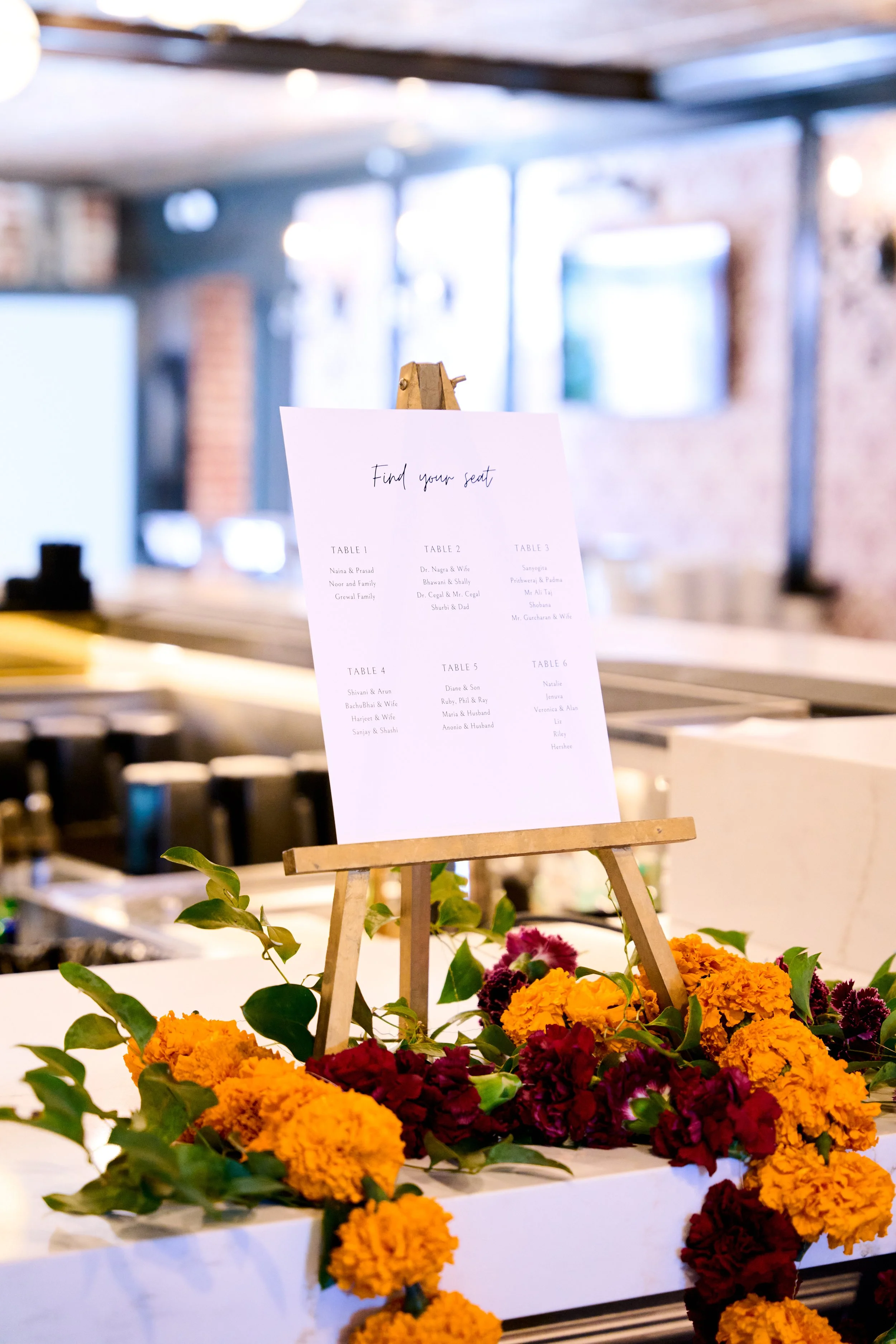
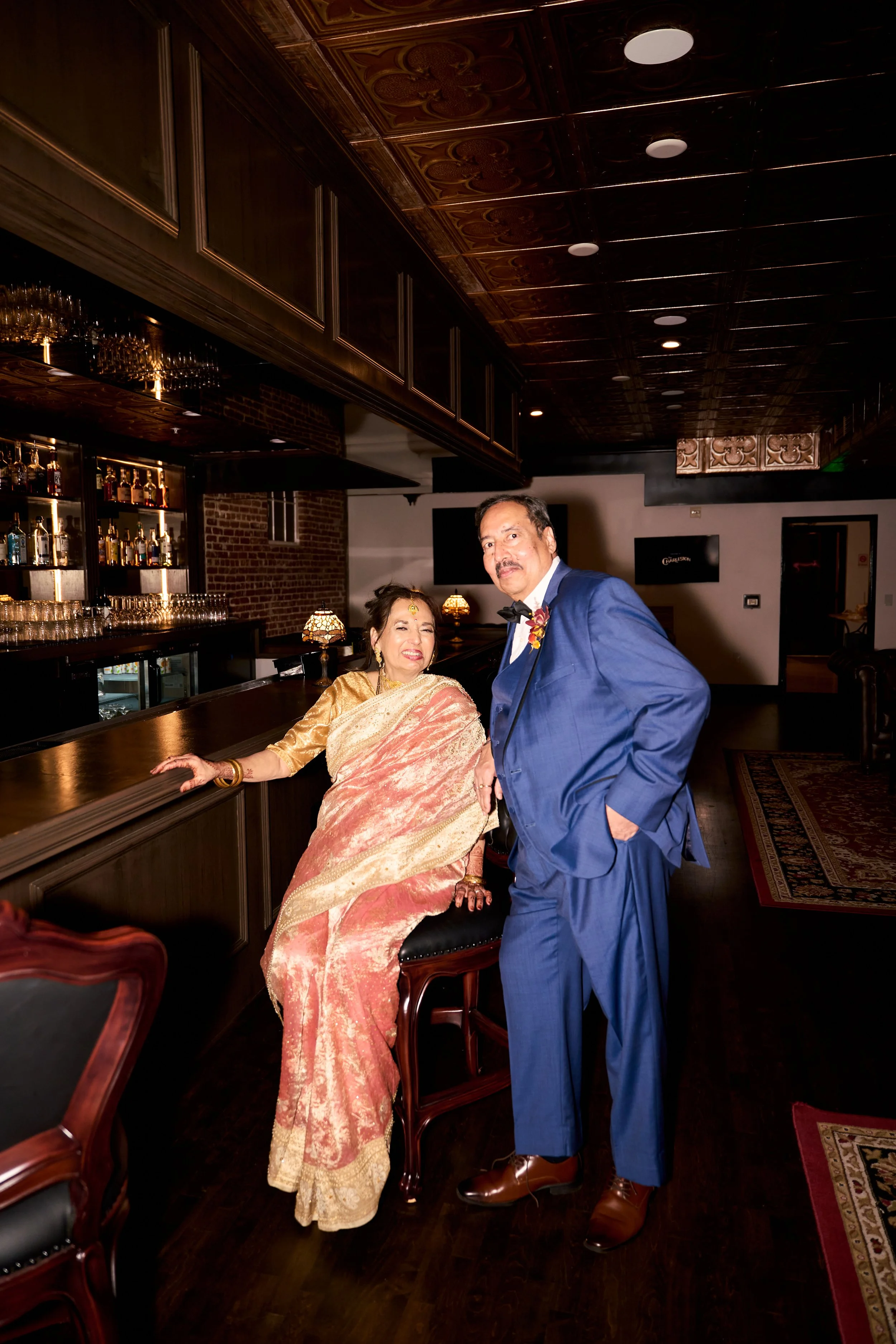
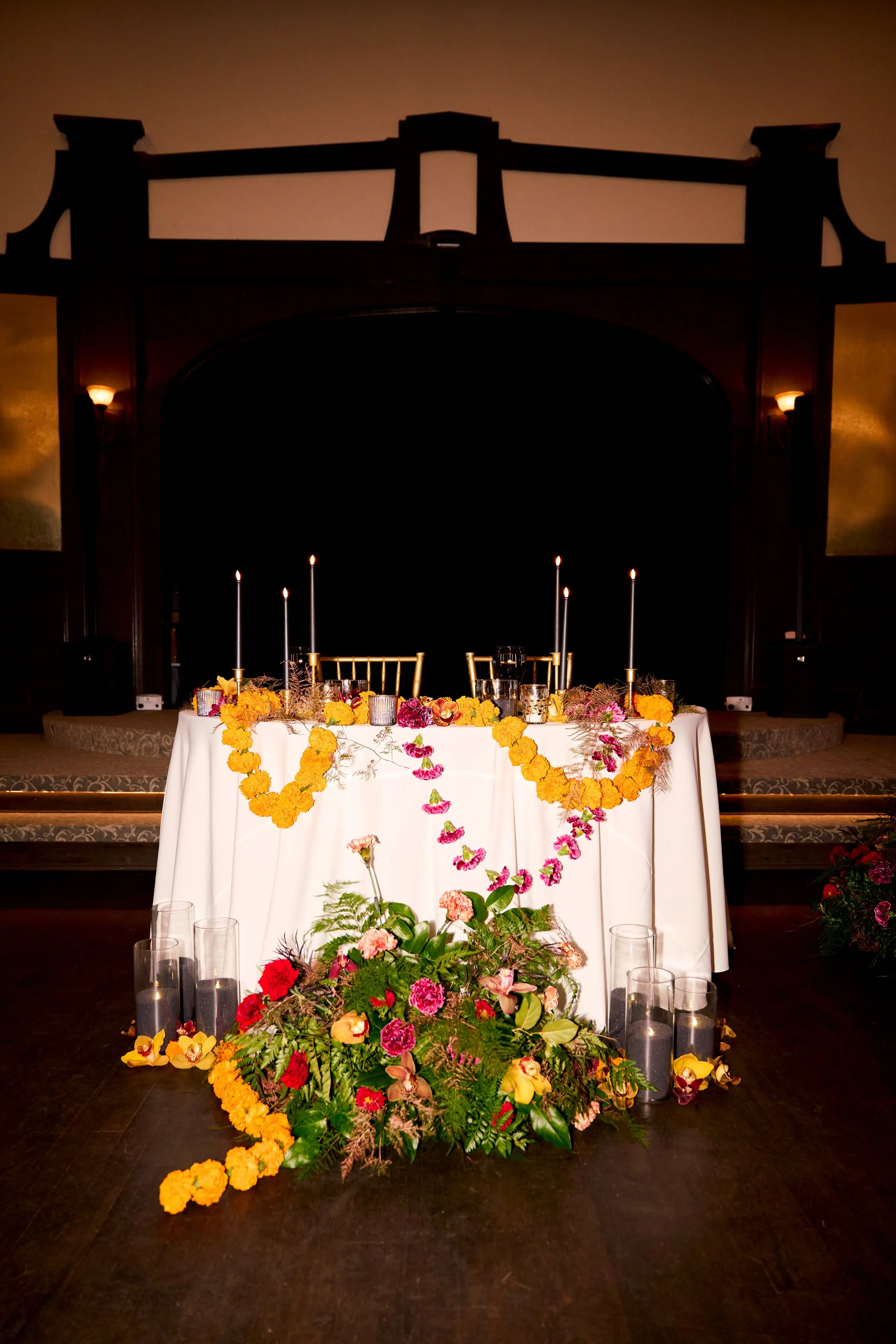
Planning a Hindu Wedding in Utah: An Inside Look From Your Wedding Planner
I plan a lot of dark, nontraditional weddings, so a full Hindu wedding was brand new territory for me, and I jumped at it. It also turned into one of the most meaningful days I've had as a planner, full stop. This one came to me through Wish Upon a Wedding, for a couple who'd waited a long time for their celebration, and my whole job was to help make it happen for them.
I usually build weddings that are dark, quiet, and a little strange. Sarita and Sunit's wedding was the loud, saturated, maximalist opposite of so many of the weddings I normally plan and I walked away wanting to do a lot more of them. There's more going on in a Hindu ceremony than in almost any wedding I've worked, and that's exactly the part I find irresistible. So if you're planning an Indian wedding in Utah, I know you're probably not looking for a planner who can simply keep a timeline moving. You need someone willing to understand which traditions matter to your family, which ones you're making your own, where your parents need to be, what your pandit needs, and how all of that fits into a wedding that still feels like the two of you.
What Is a Baraat? The Best Entrance at Any Wedding
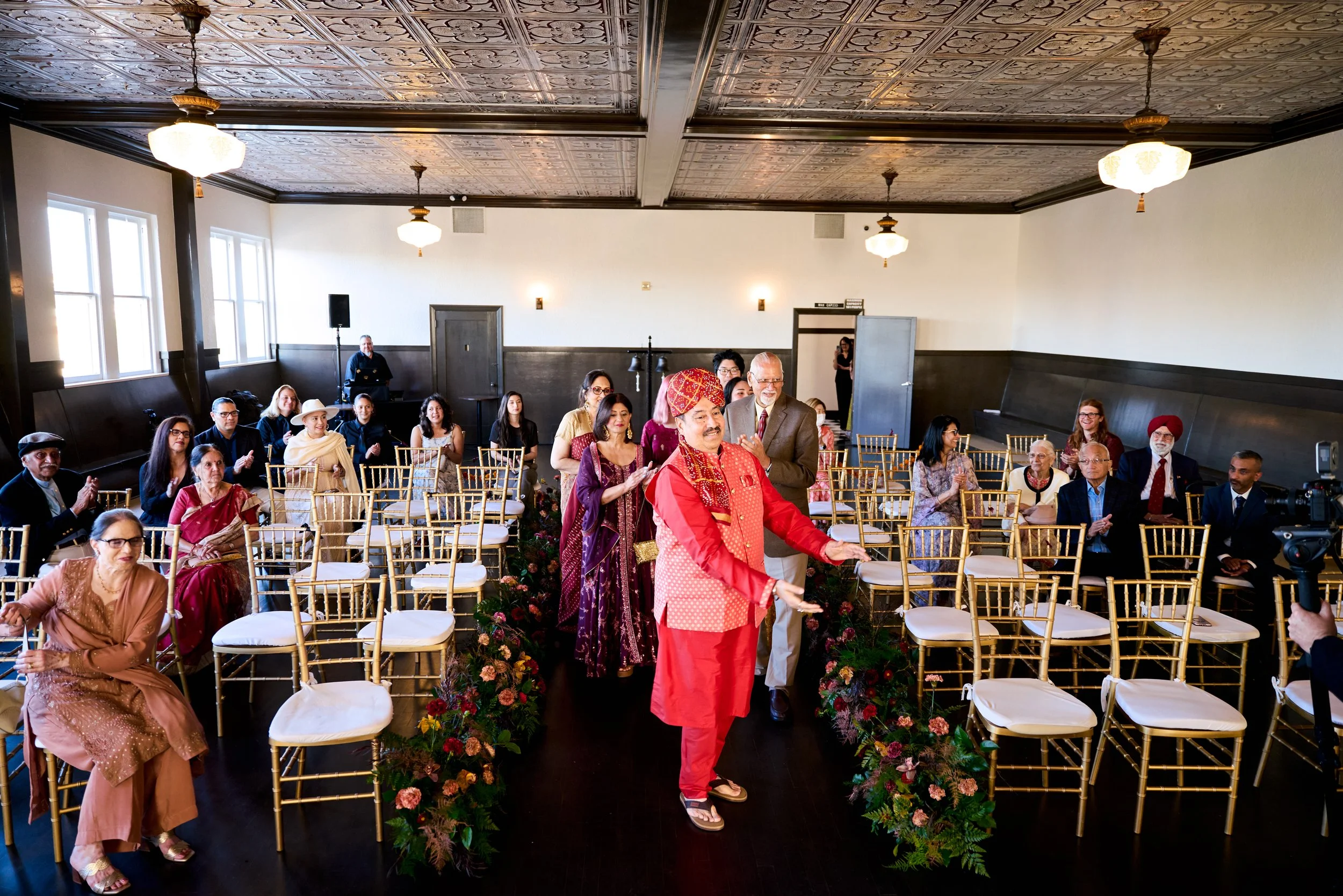
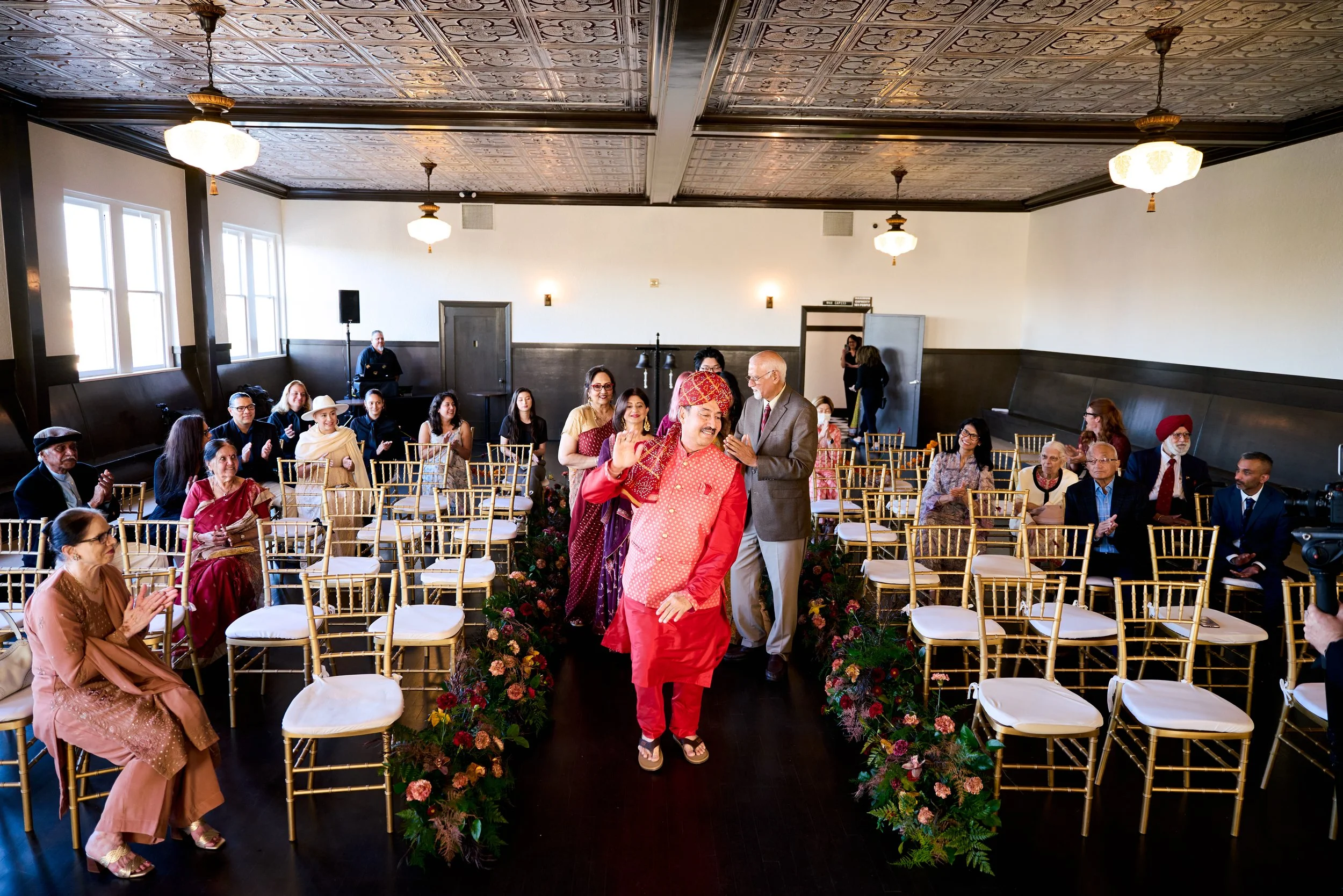
Most weddings start with a quiet processional. Sarita and Sunit's celebration started with a full-on party in the parking lot, and I mean that literally. The baraat is the groom's arrival, and it's loud by design. He traditionally comes in on a horse with his family and friends packed around him, everyone dancing to a dhol drum before a single guest has sat down. This isn't the warm-up. It's the whole tone of the day in one moment: we're here to celebrate, and nobody gets to stand on the sidelines. By the time Sunit came in, half the crowd was already dancing. I plan a lot of quiet, restrained weddings, so the sheer volume of joy caught me off guard, in the best way. Nobody eases into a Hindu wedding, and that might be my favorite thing about them.
What Happens Under the Mandap During a Hindu Wedding?
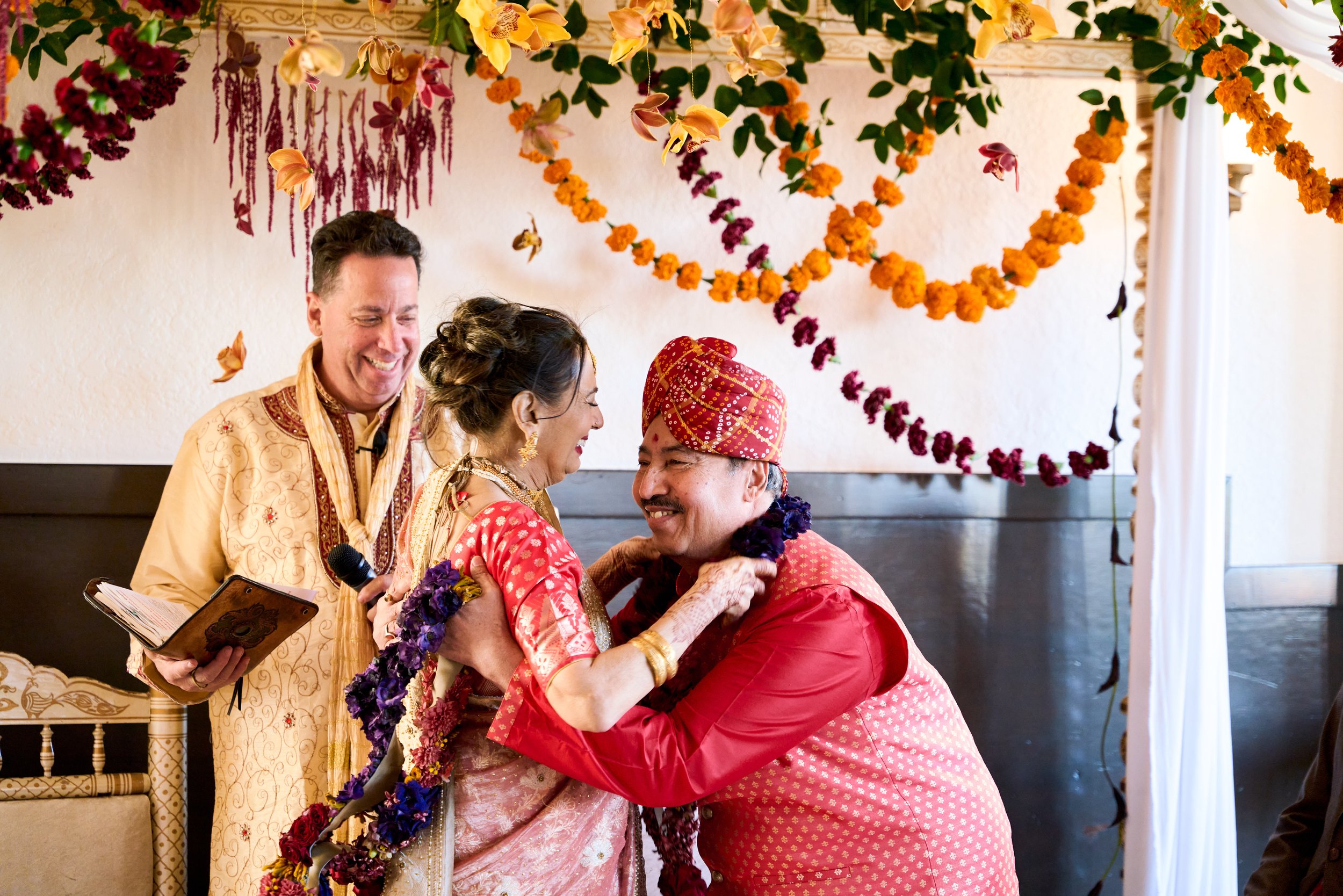
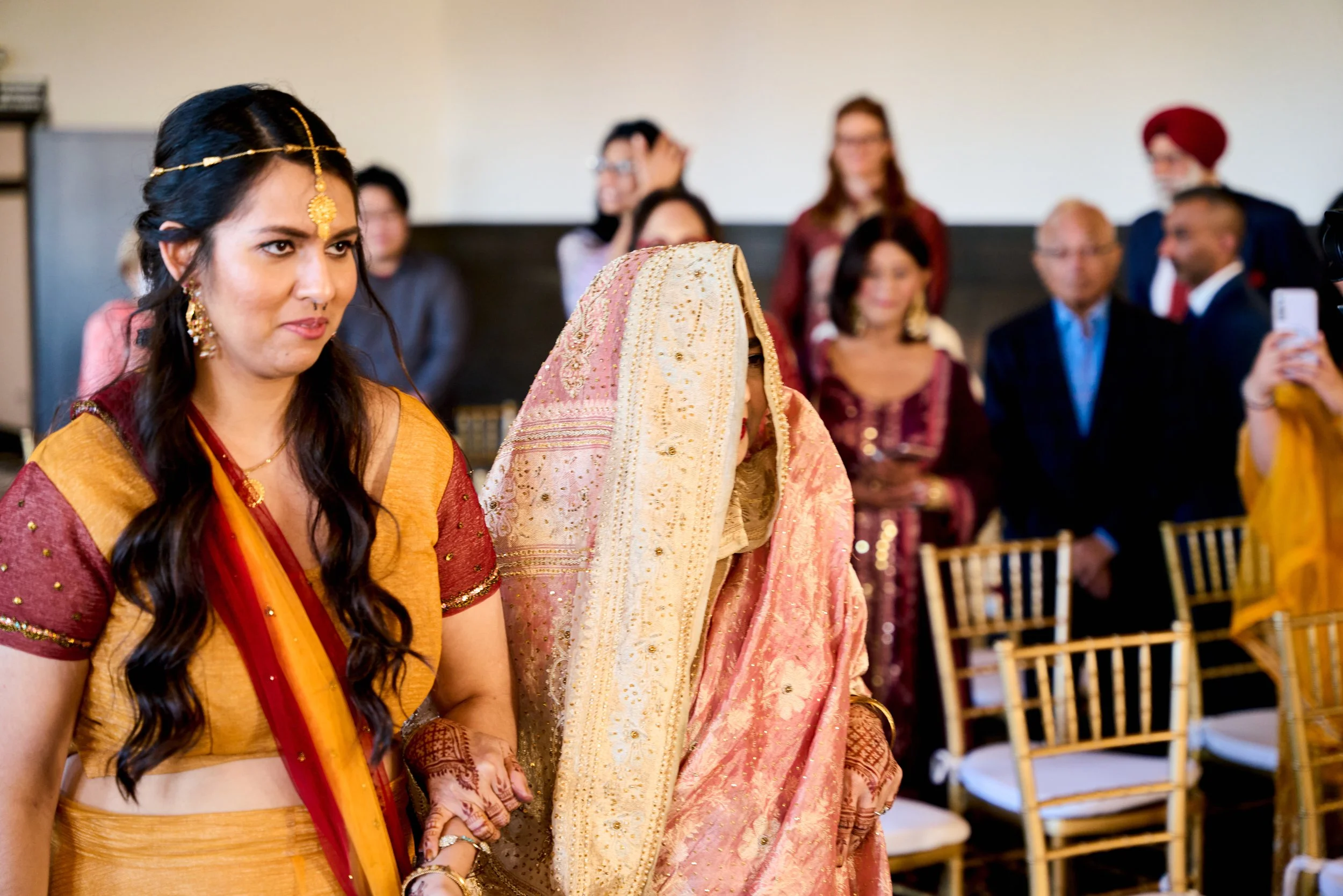
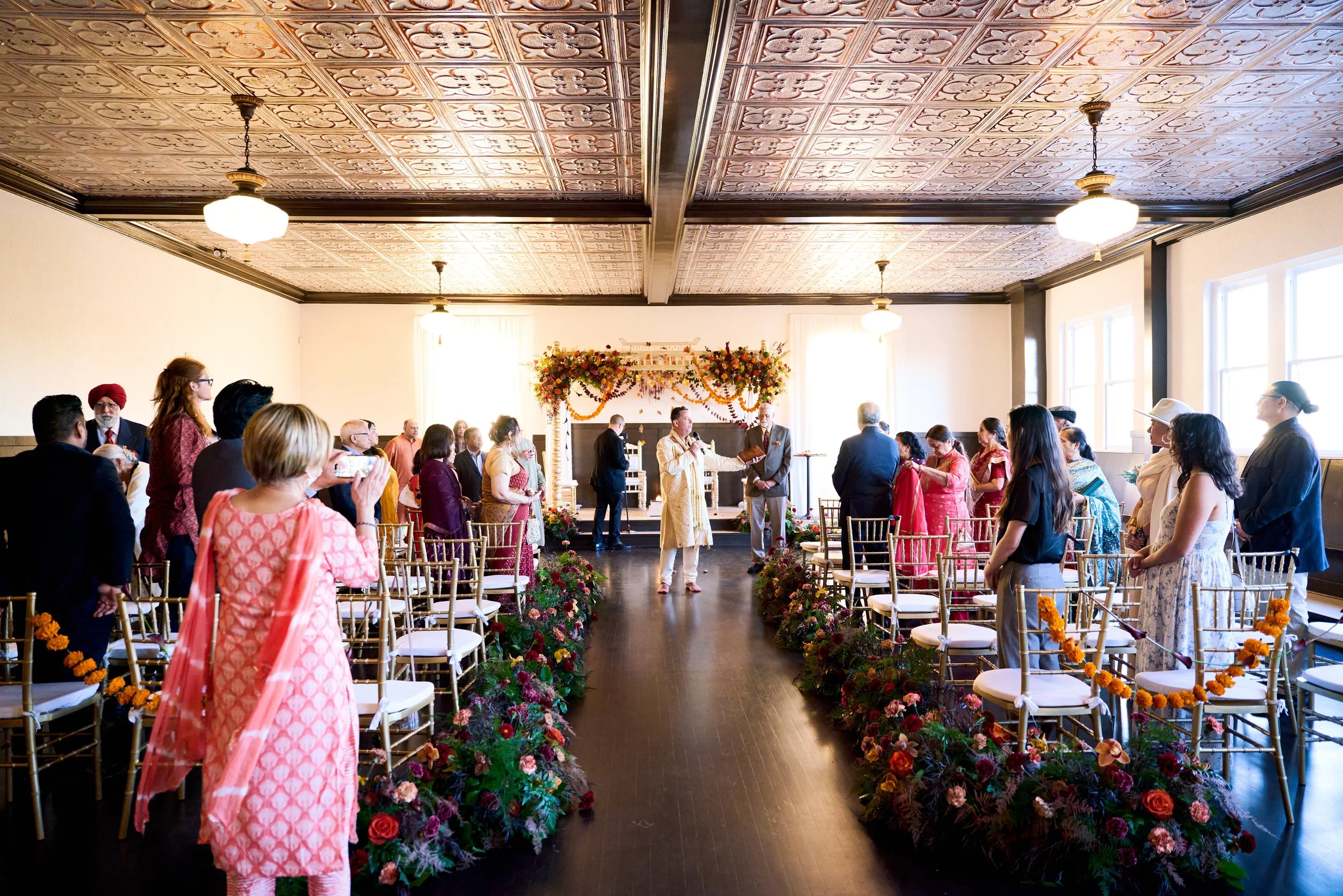
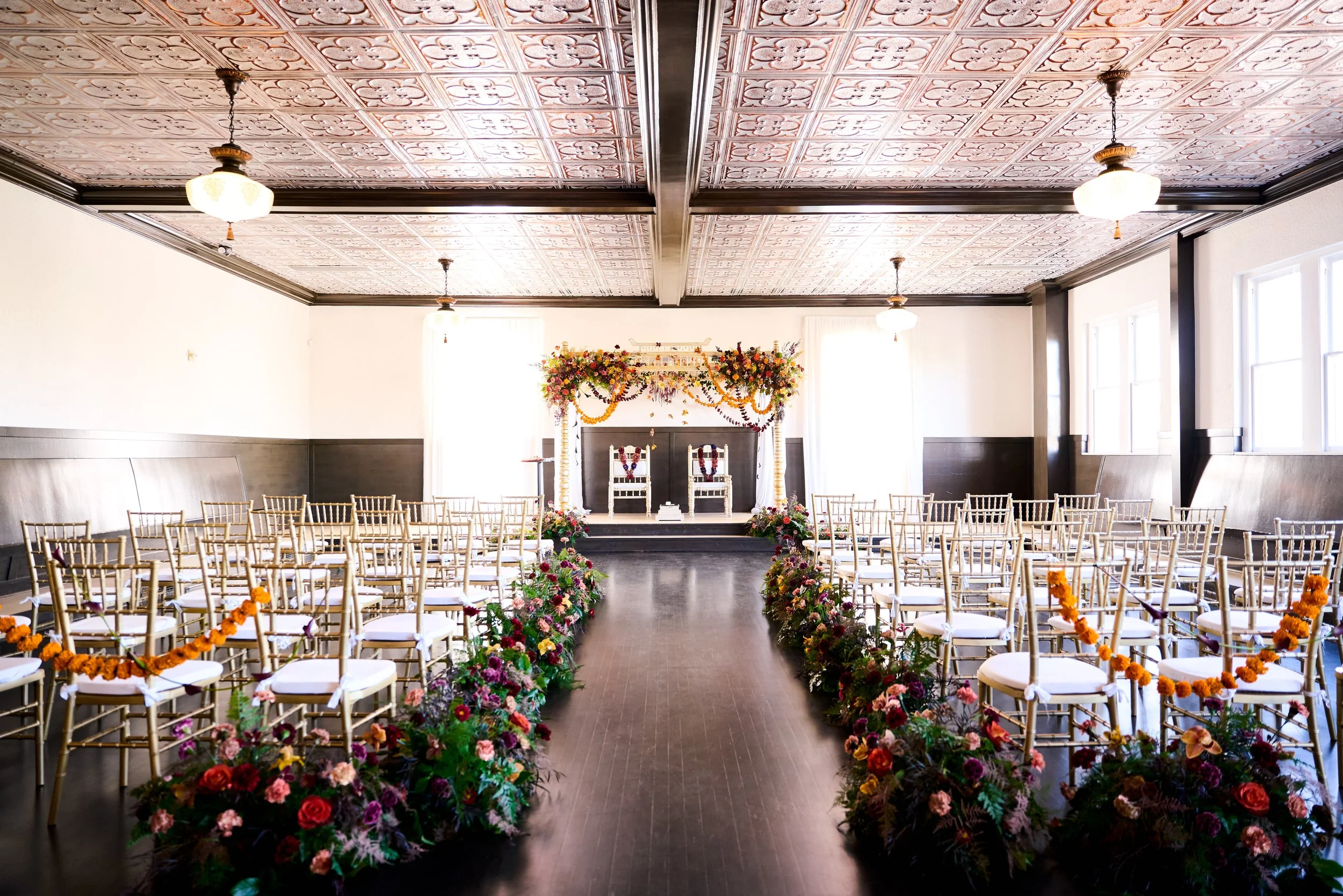
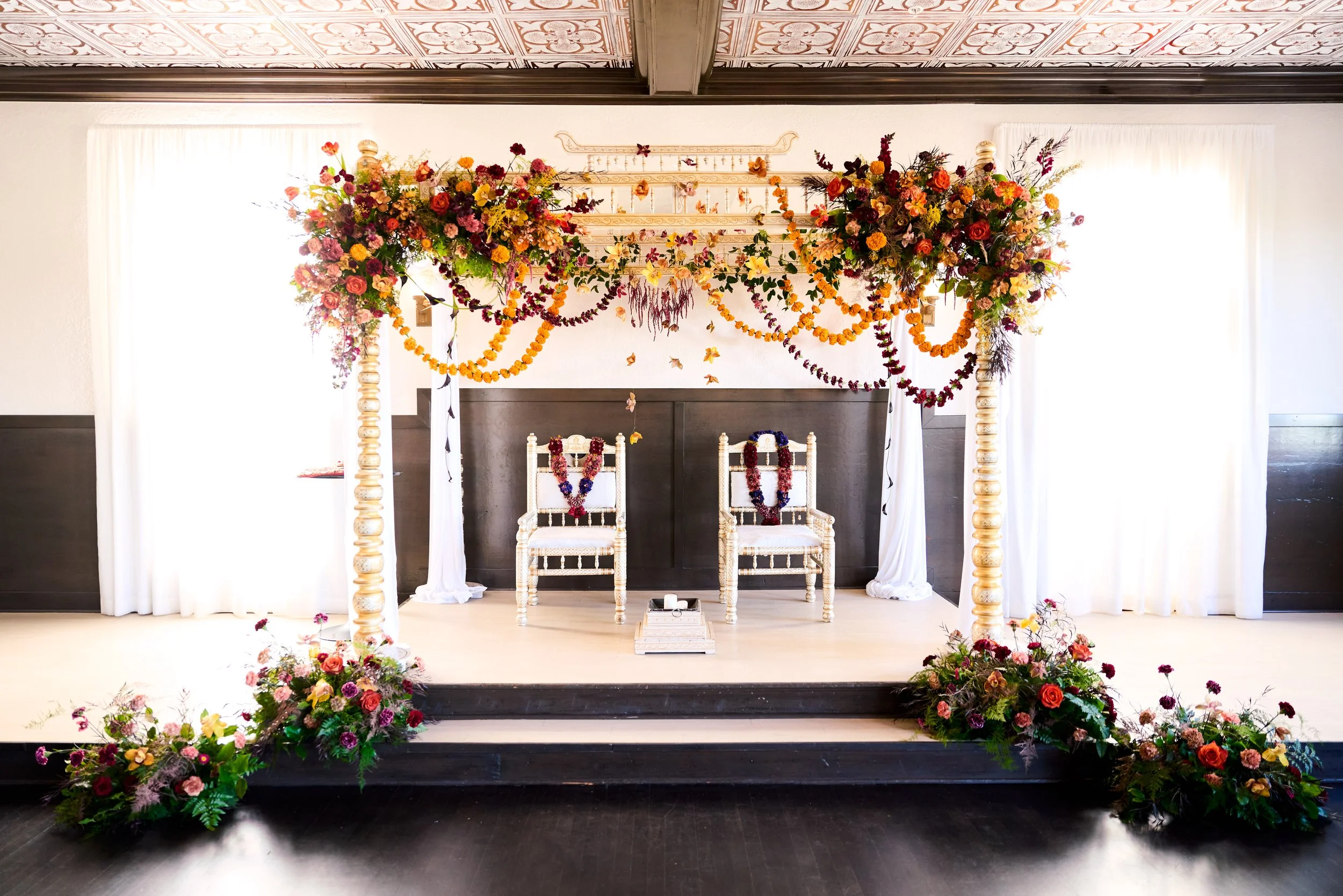
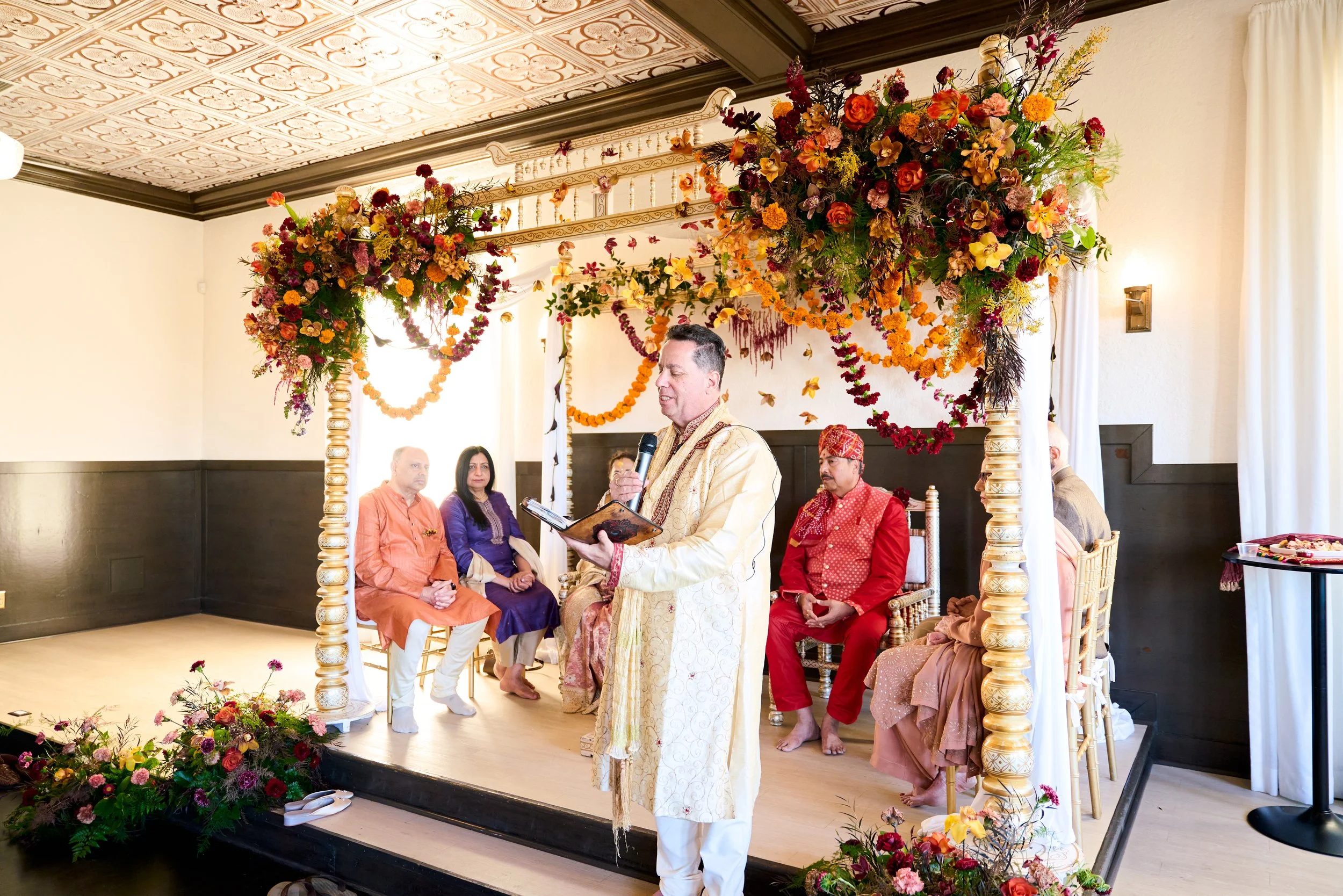
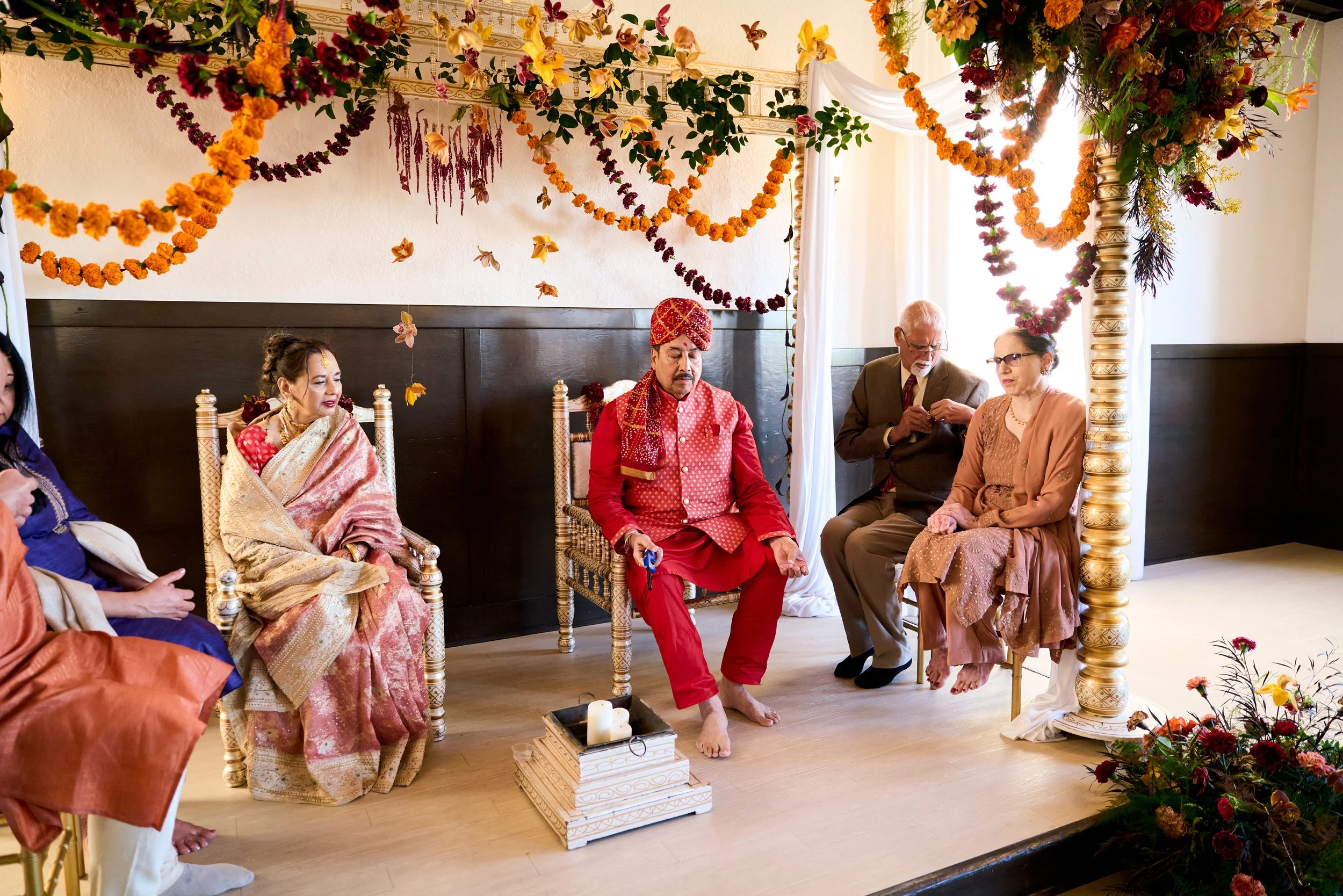
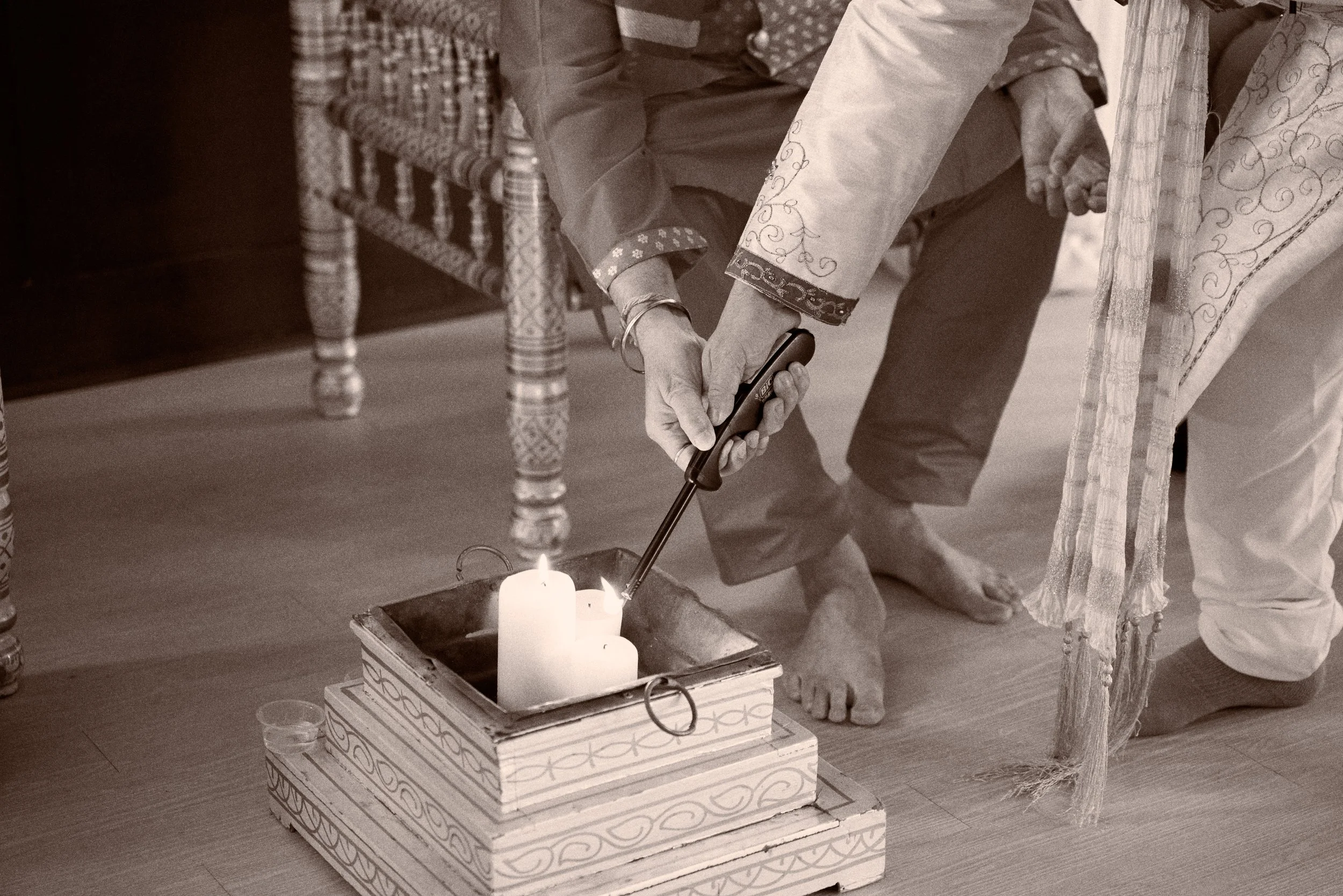
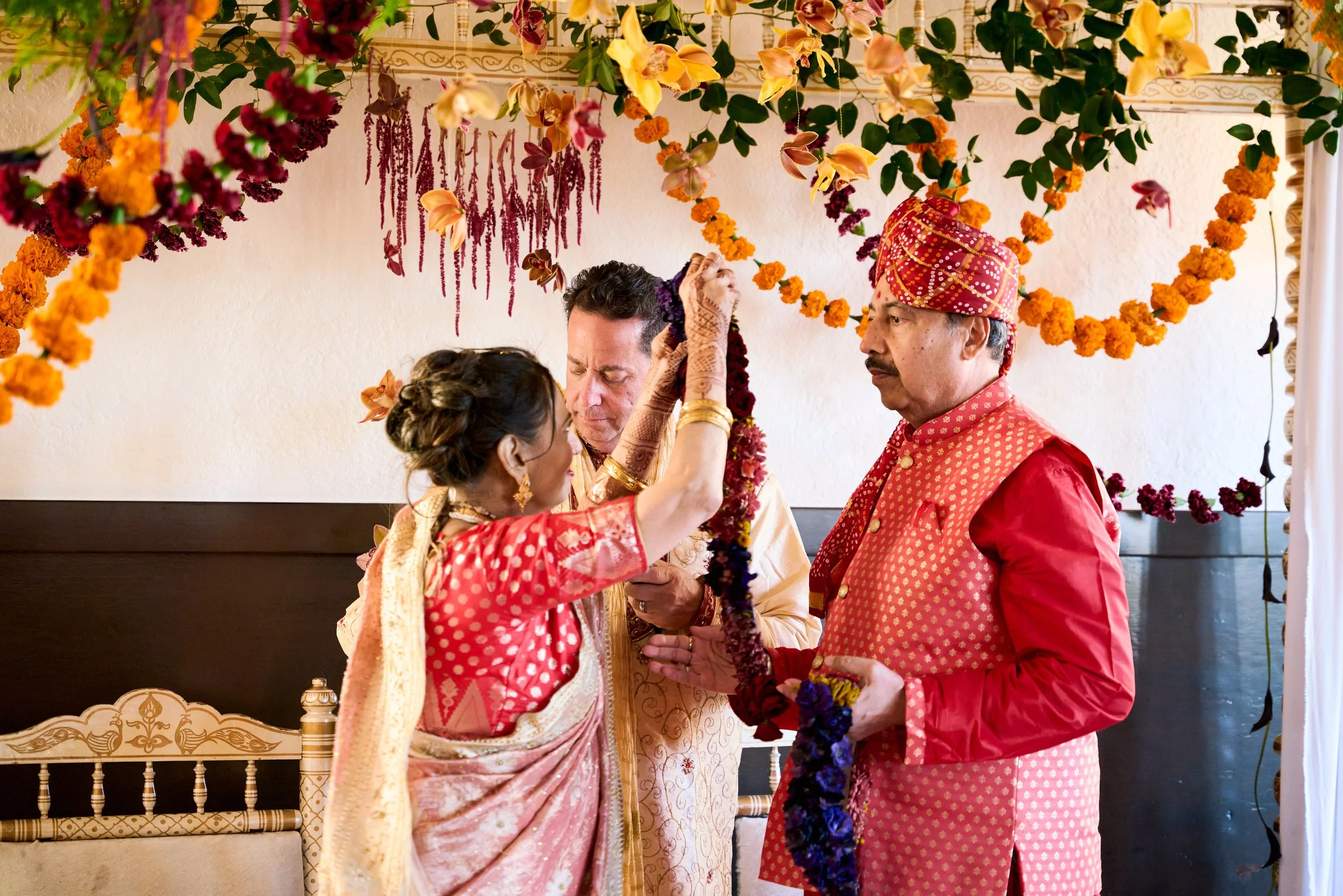
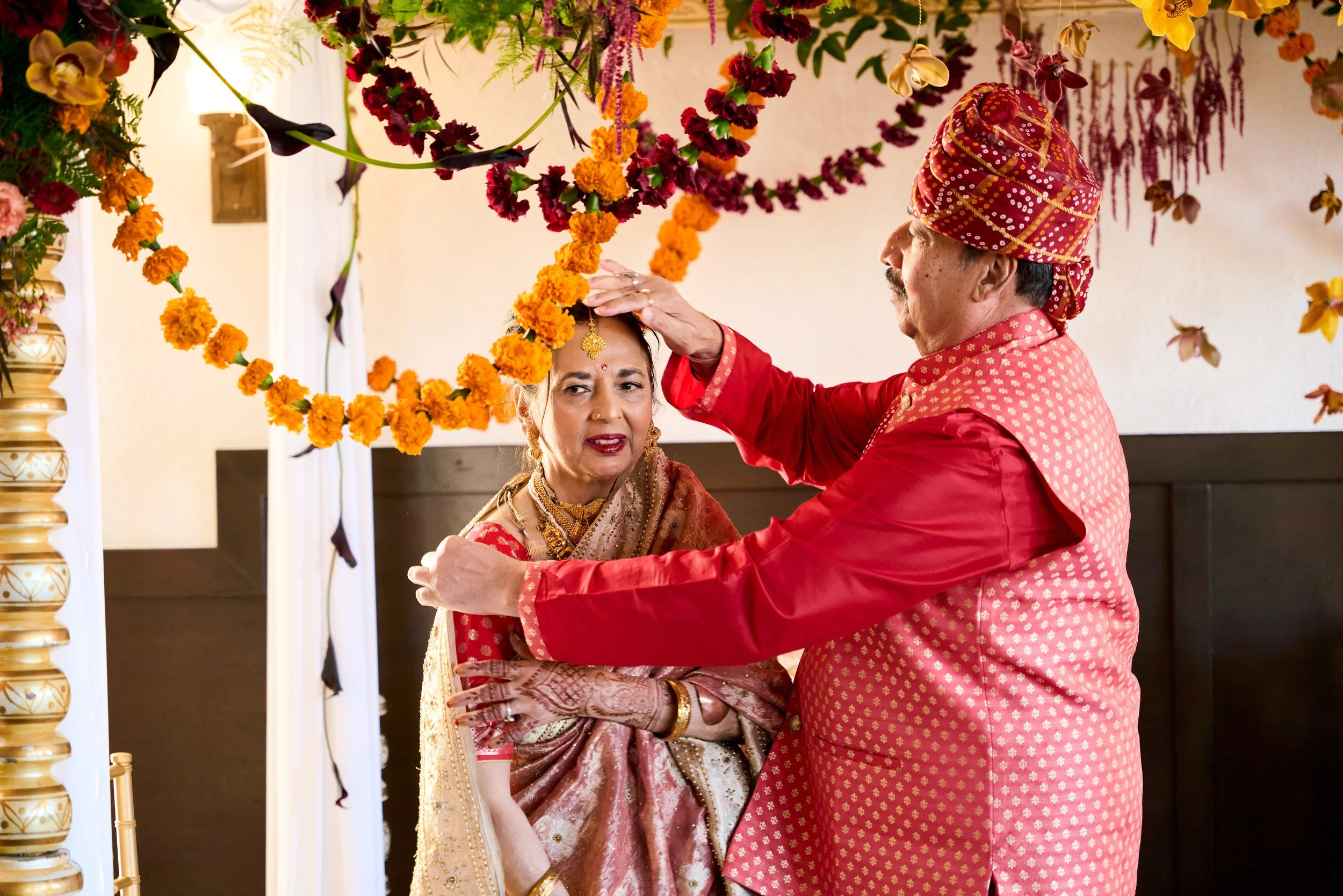
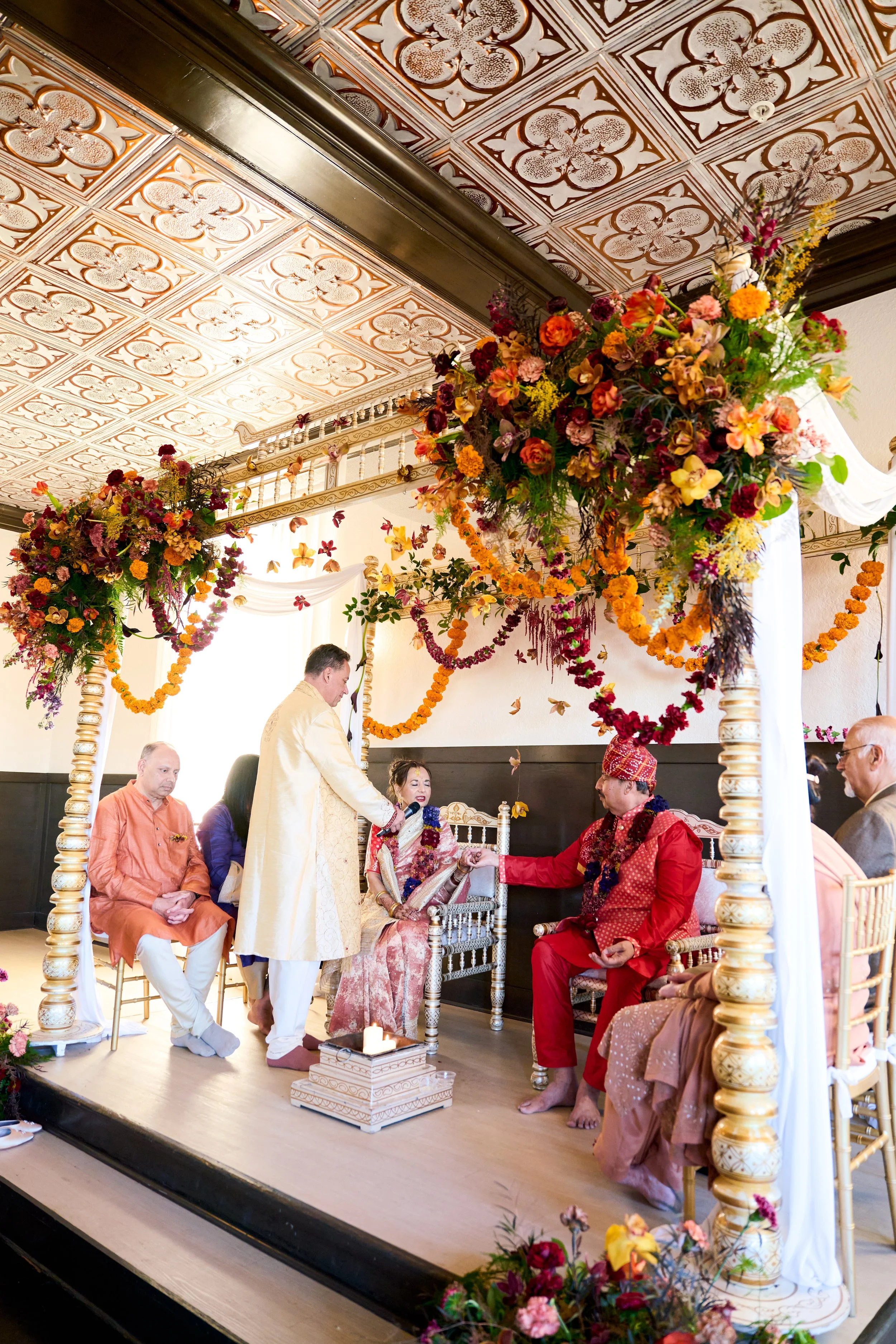
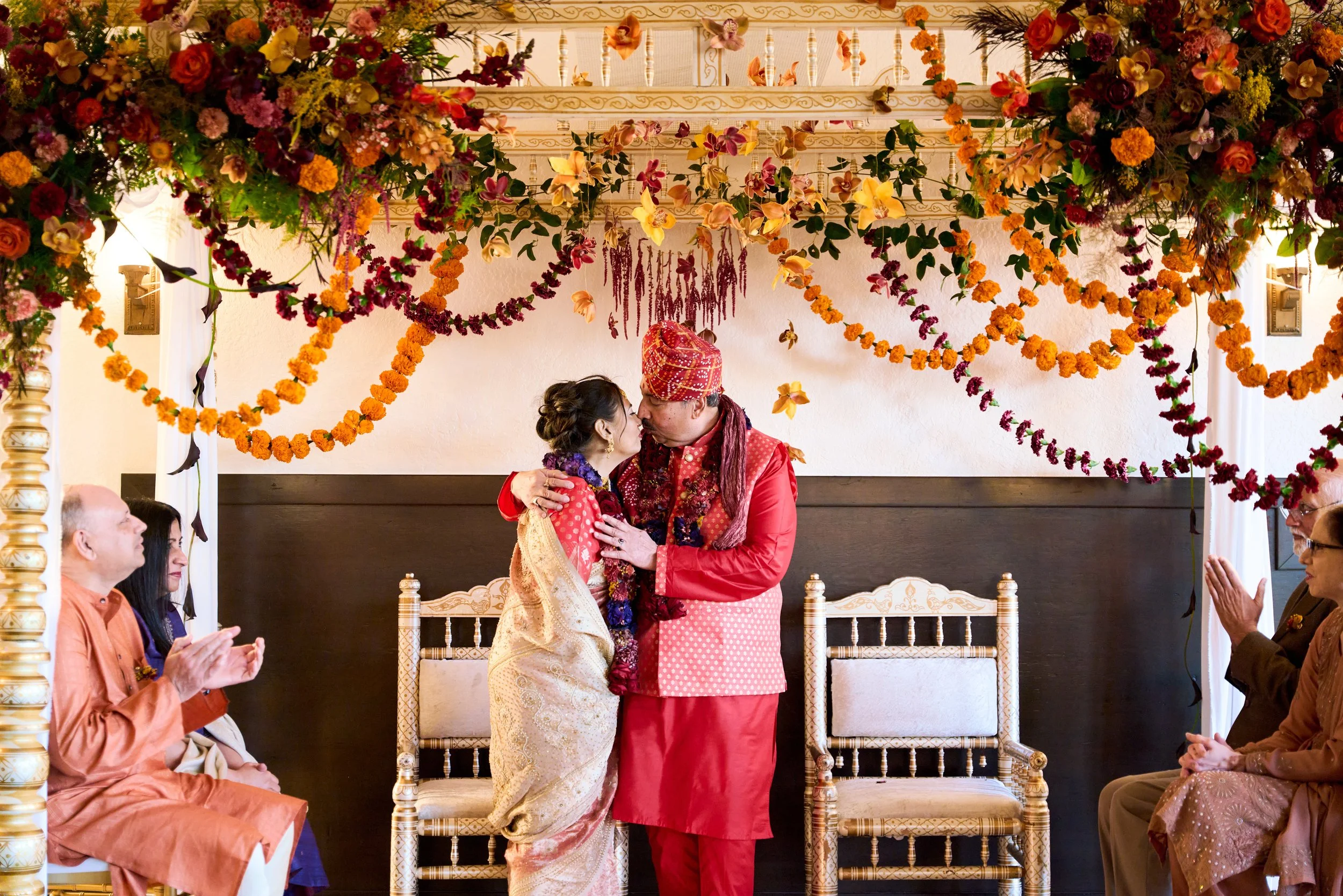
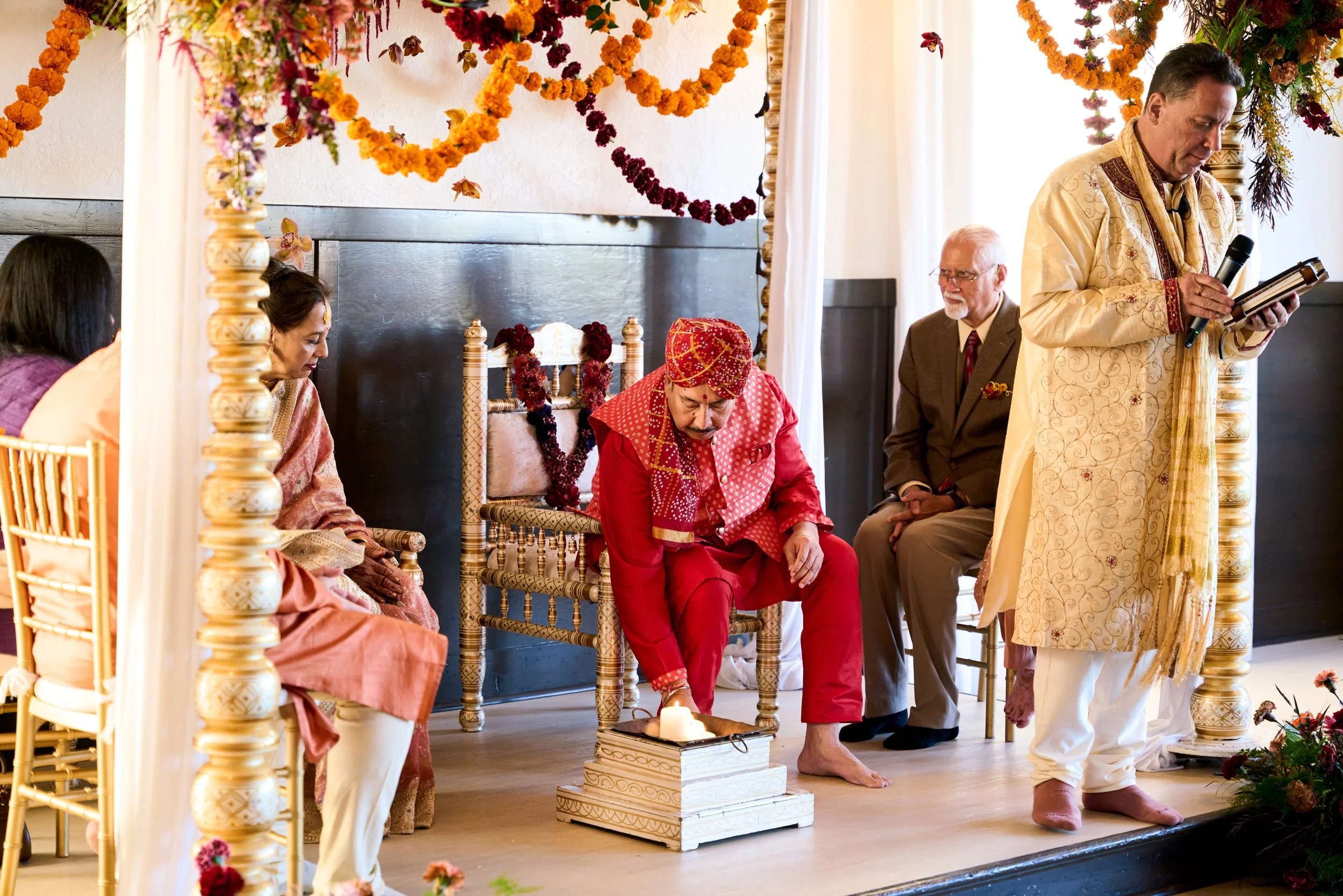
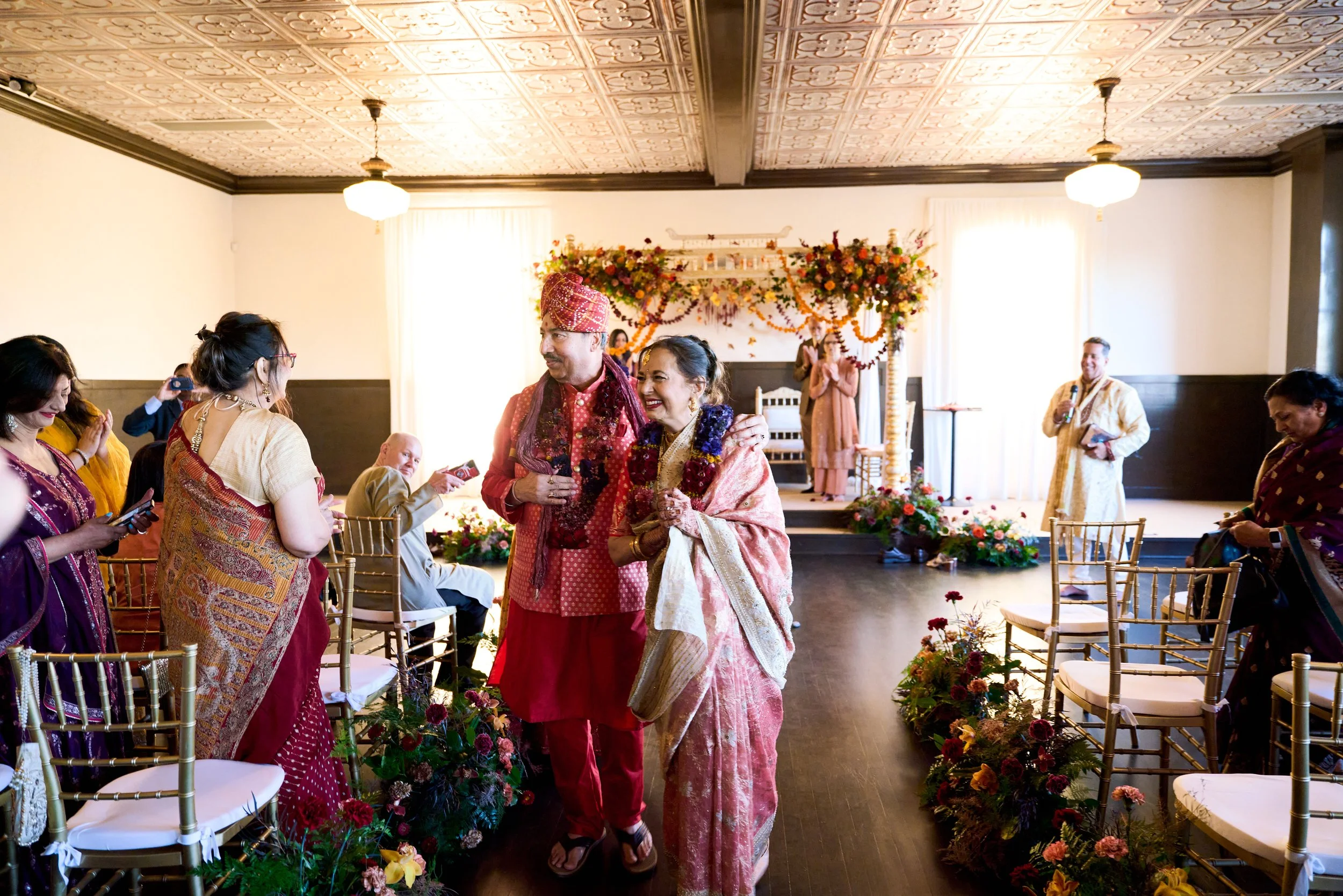
The heart of the day happens under the mandap, the canopy the couple marries beneath. It sits on four pillars, and there's a small fire at the center that isn't there for looks. That fire is agni, and it's treated as the witness to the marriage, which is why the most important moments all happen circled around it.
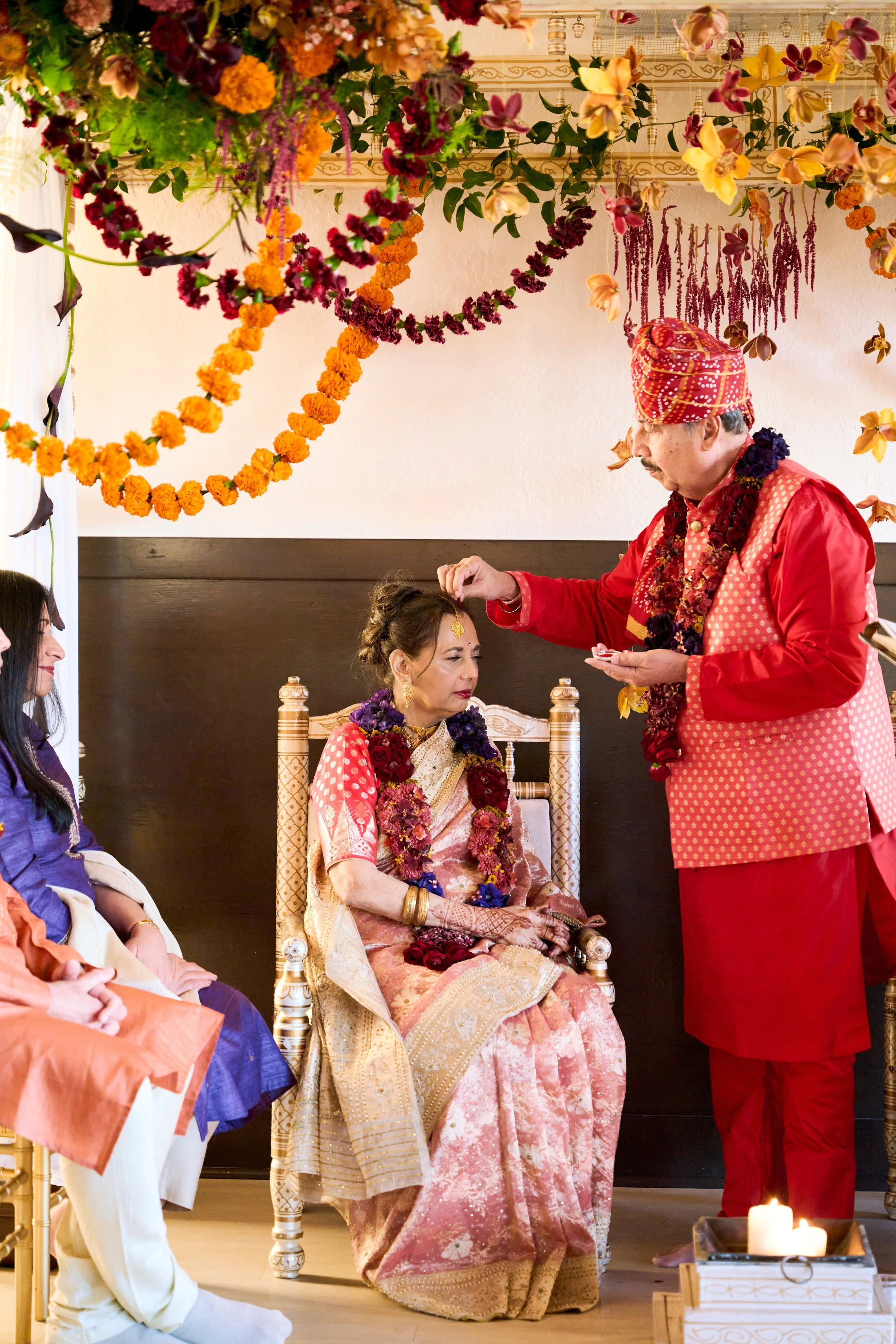
I'm going to be careful here, because this is exactly the kind of thing I don't think a planner should explain like an expert. What each ritual means shifts from family to family and tradition to tradition, and the people who actually hold that knowledge are the couple, their families, and their pandit. What I can give you is what I watched happen at Sarita and Sunit's wedding, and how much intention was packed into every part of it.
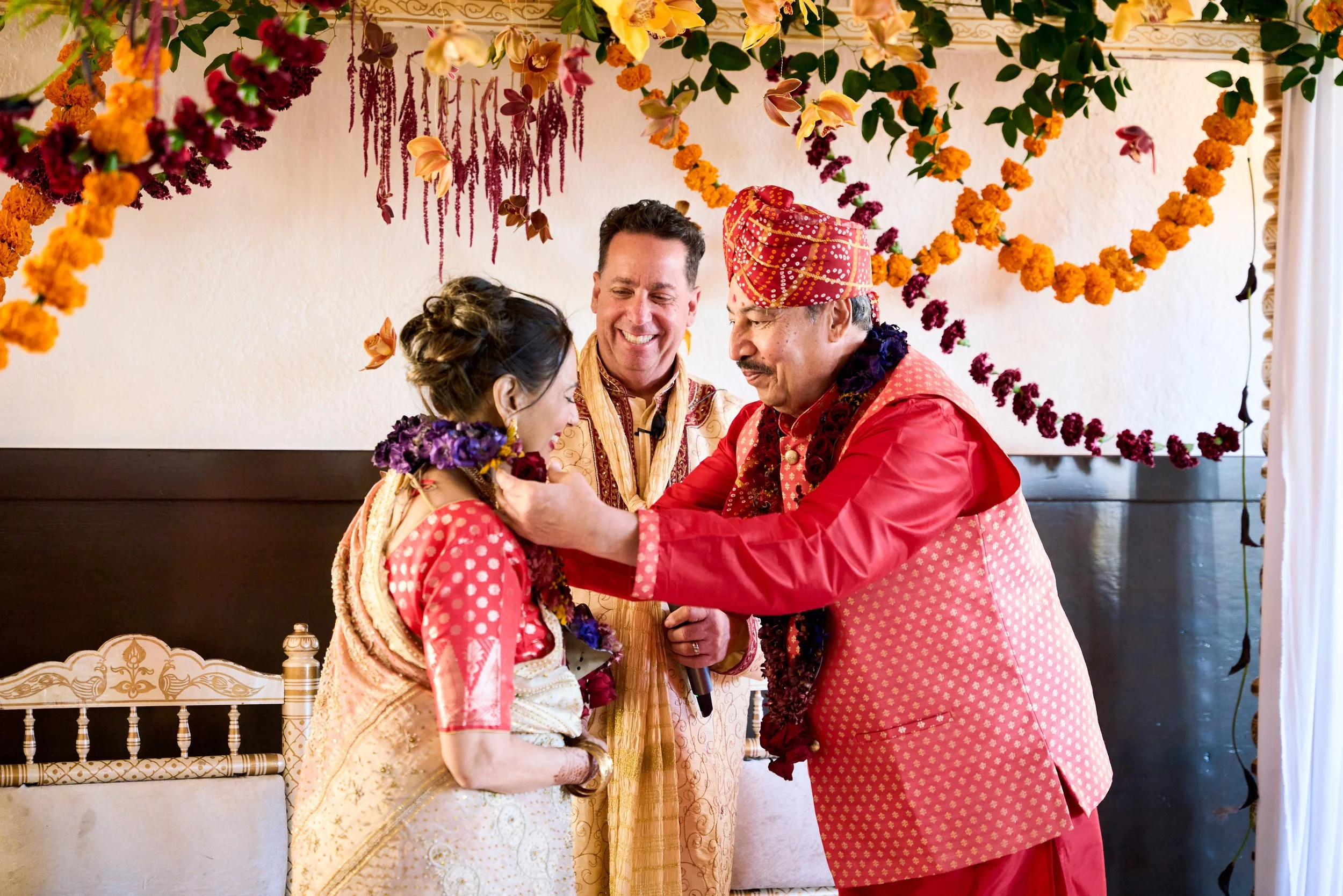
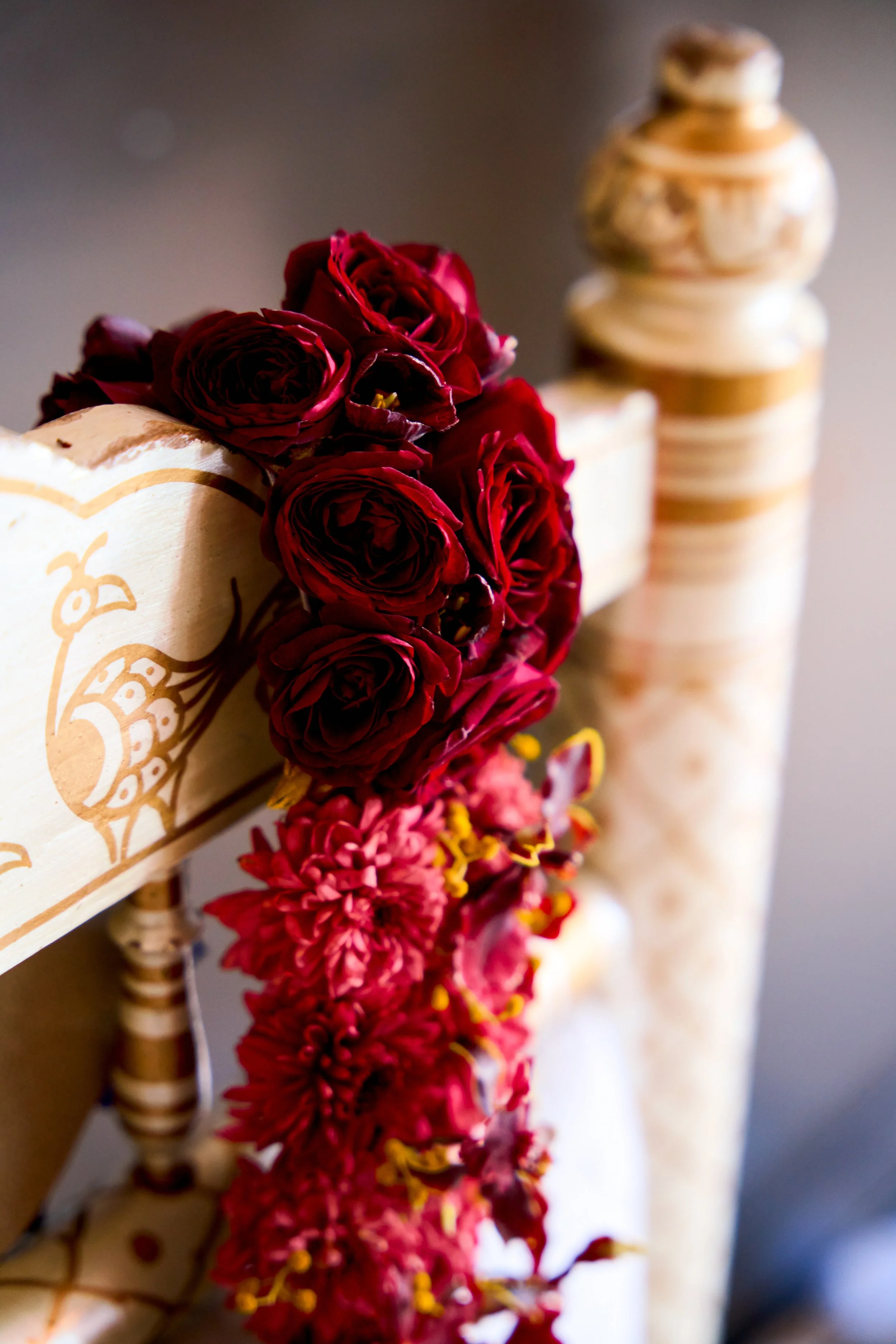
There was the jai mala, when they exchanged flower garlands. There was the saptapadi, the steps they took together around the fire, each one standing for something their families understood far better than I did. These are the parts of an Indian wedding that carry the real weight, and you feel it in the room even when you don't know the meaning behind every movement. I learned more standing a few feet from that mandap and asking quiet questions than I ever could have from a book. That's the real version, and it's the version I'd want any planner working your wedding to give you. I'm never going to forget it.
How We Balanced Indian Wedding Traditions With Their Personal Style
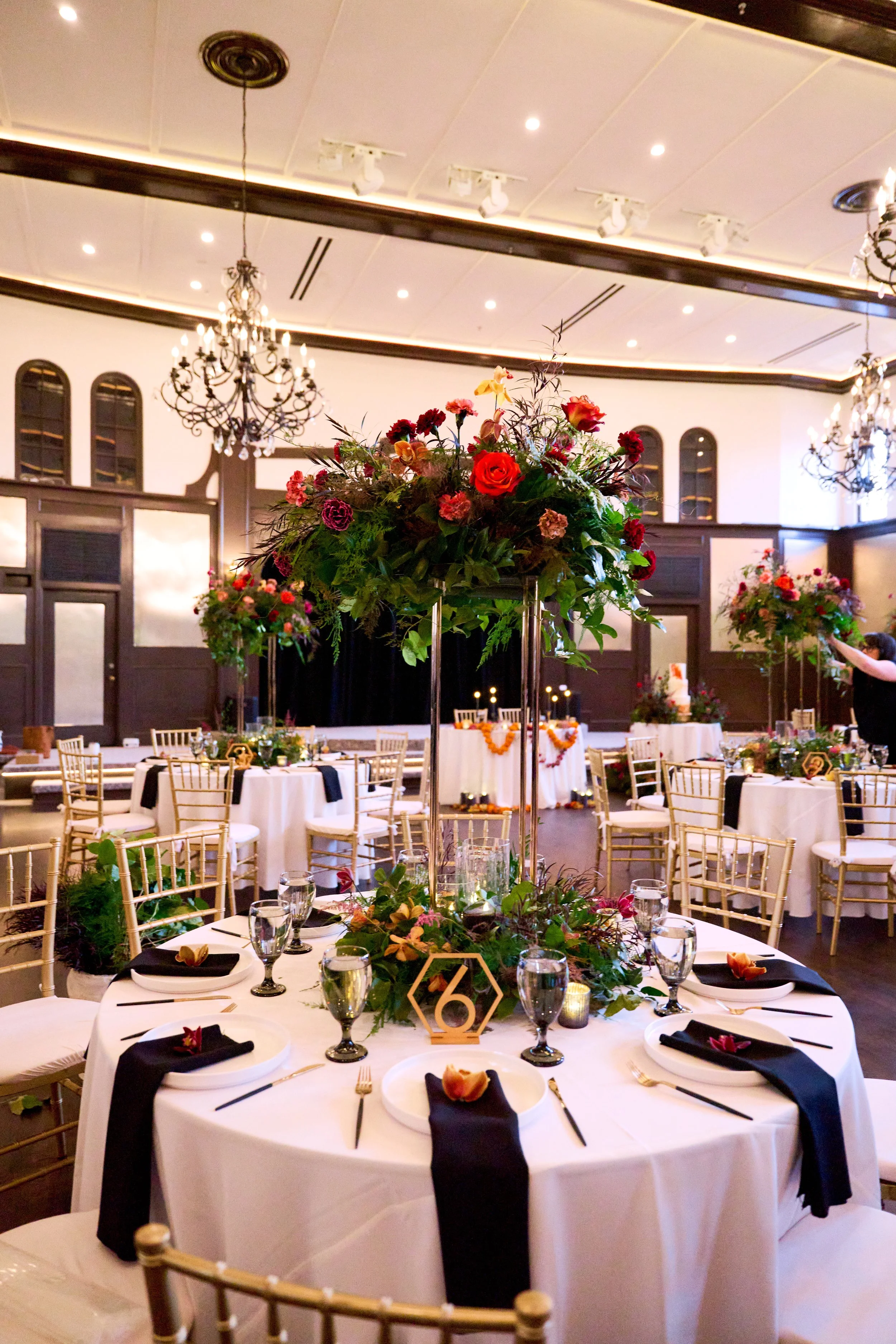
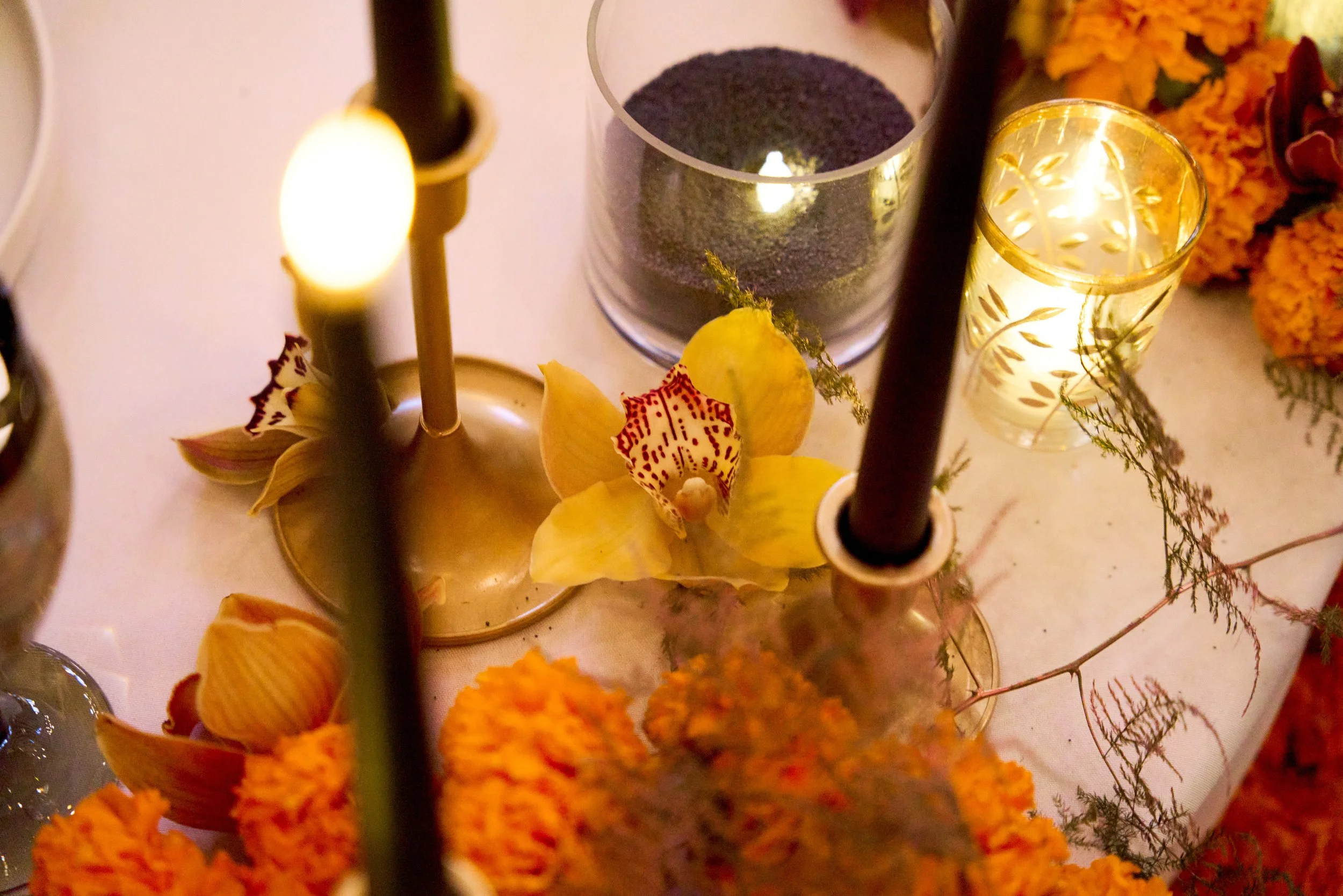
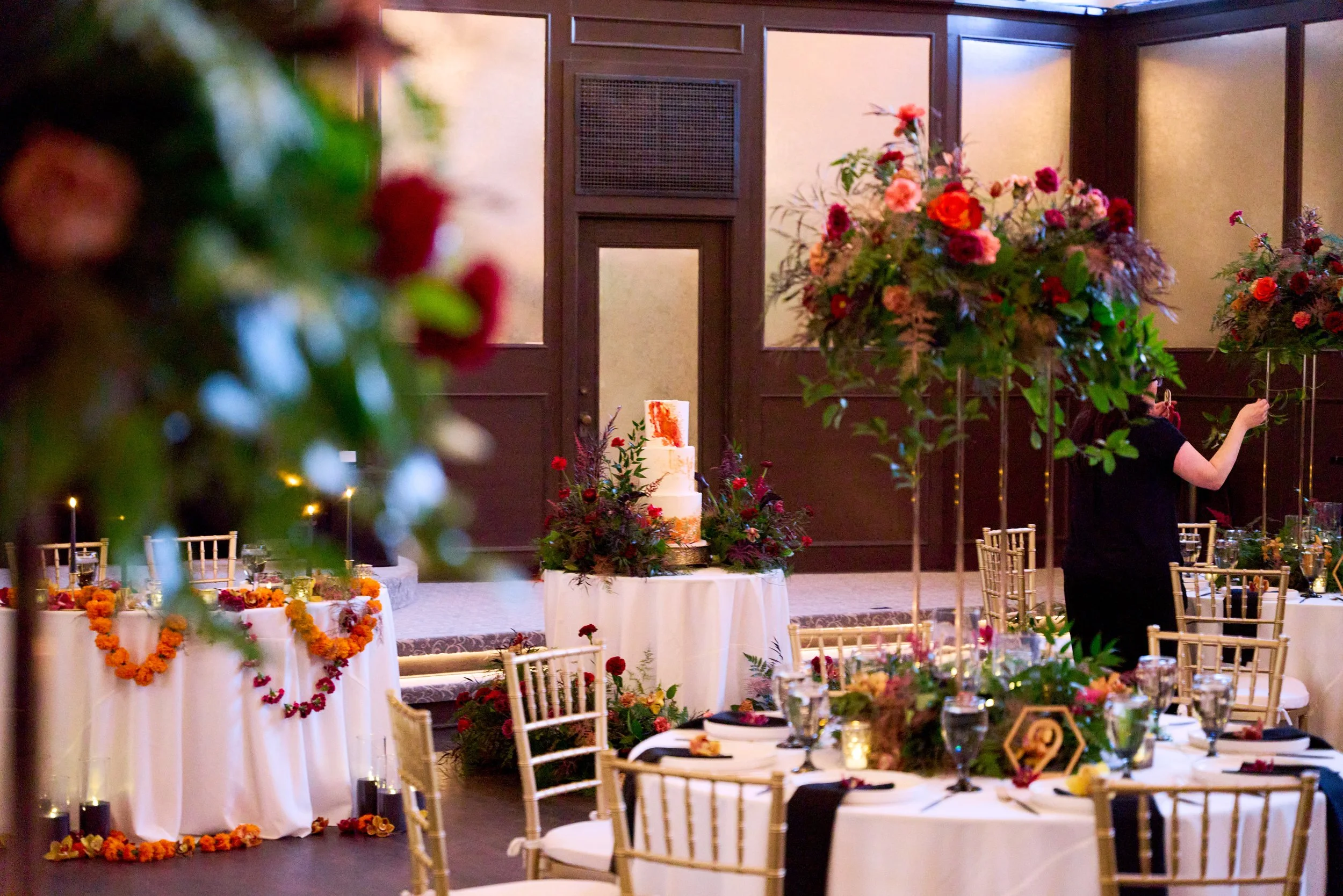
If you've seen literally anything else I've done, you know I live in the dark and moody. We weren't trying to make their wedding look like one of mine. We were figuring out how their traditions, preferences, venue, and personalities could live in the same room.
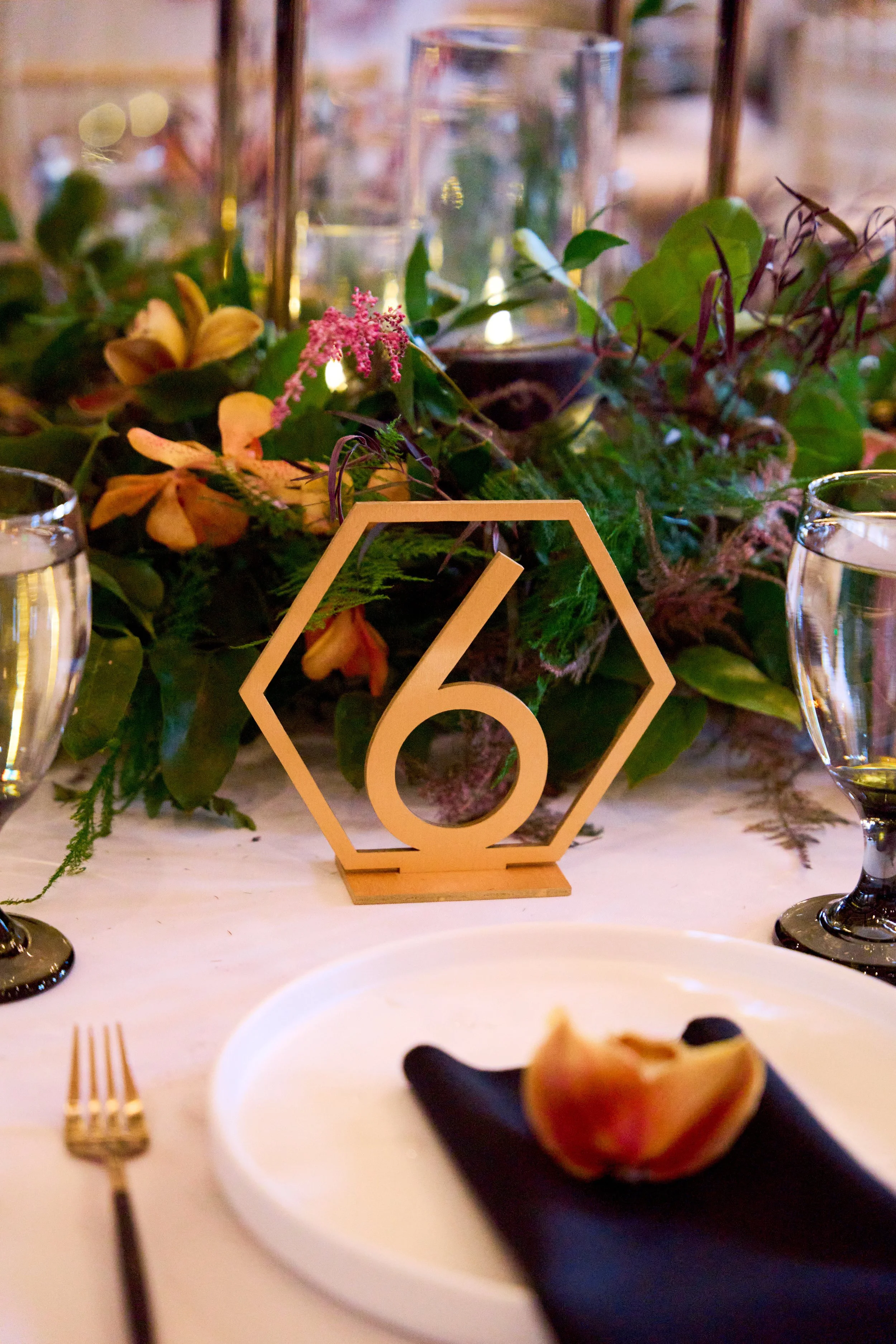
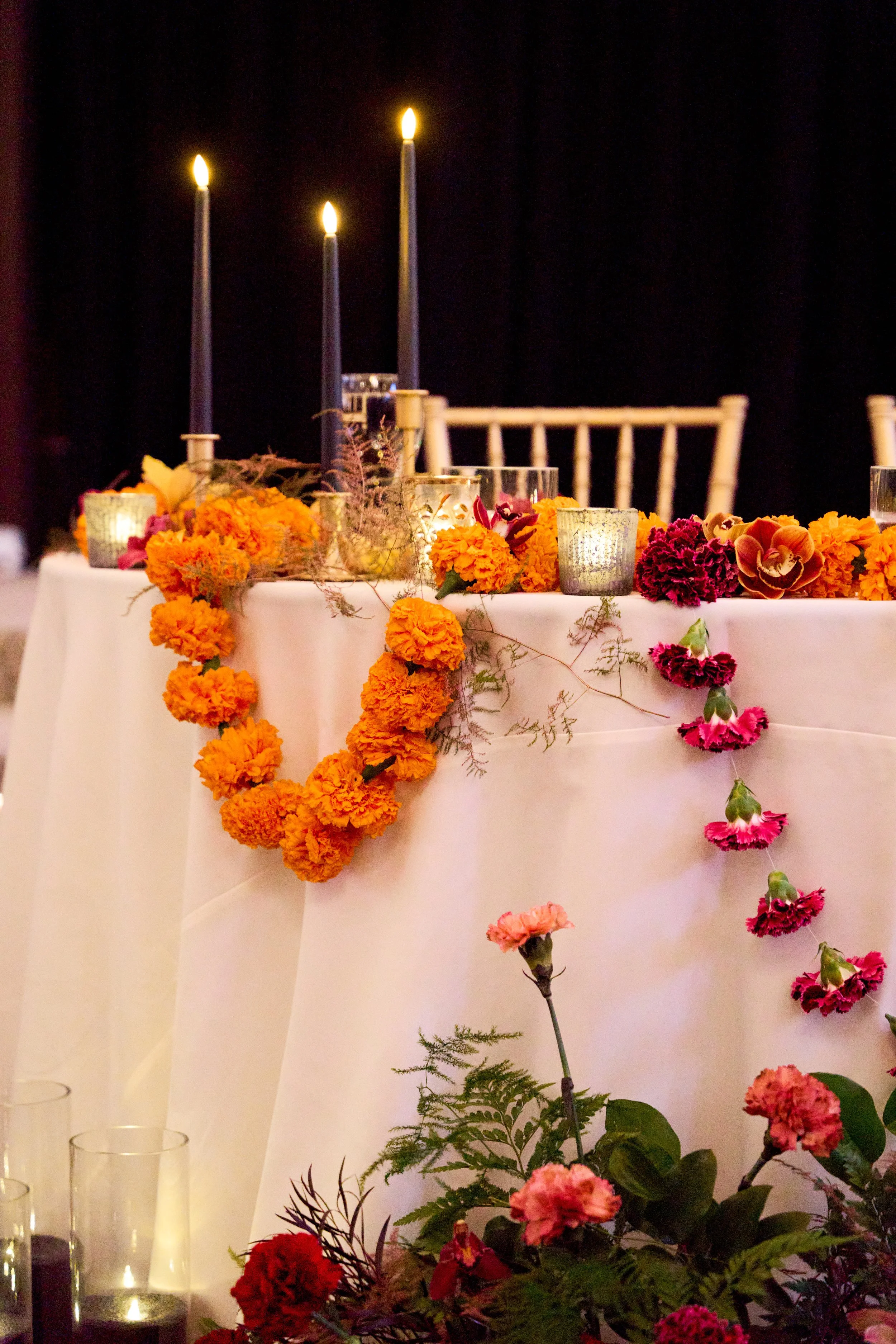
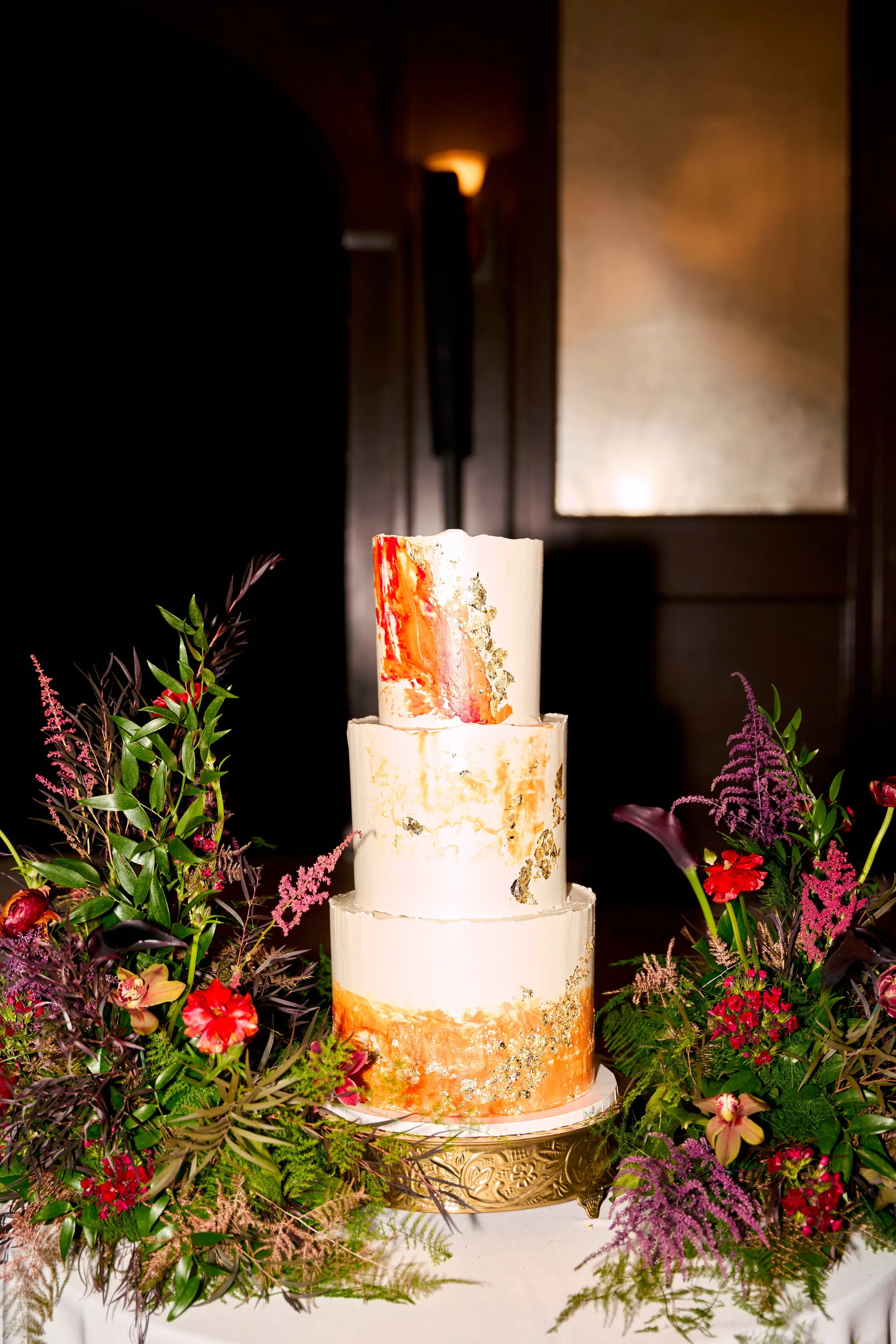
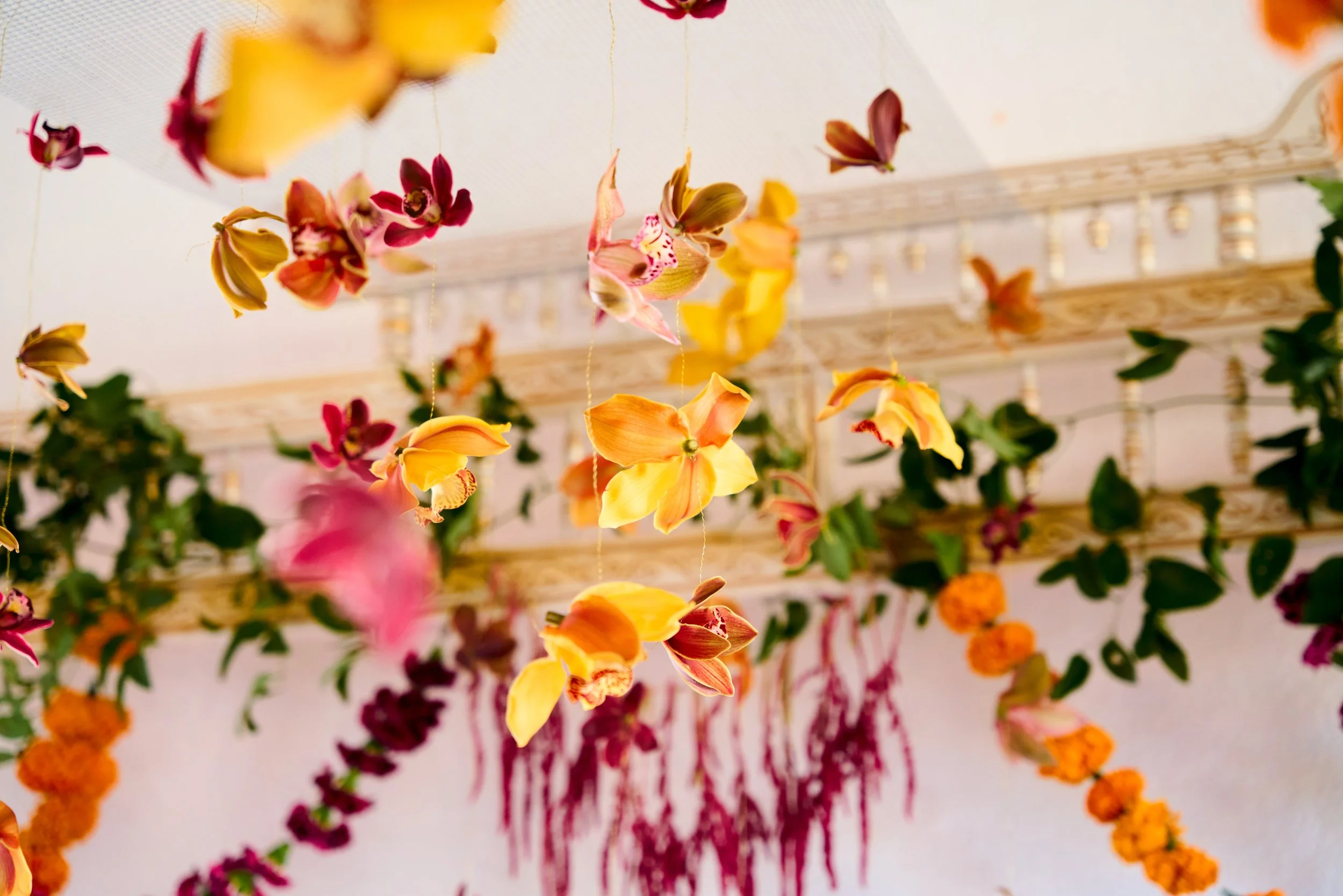
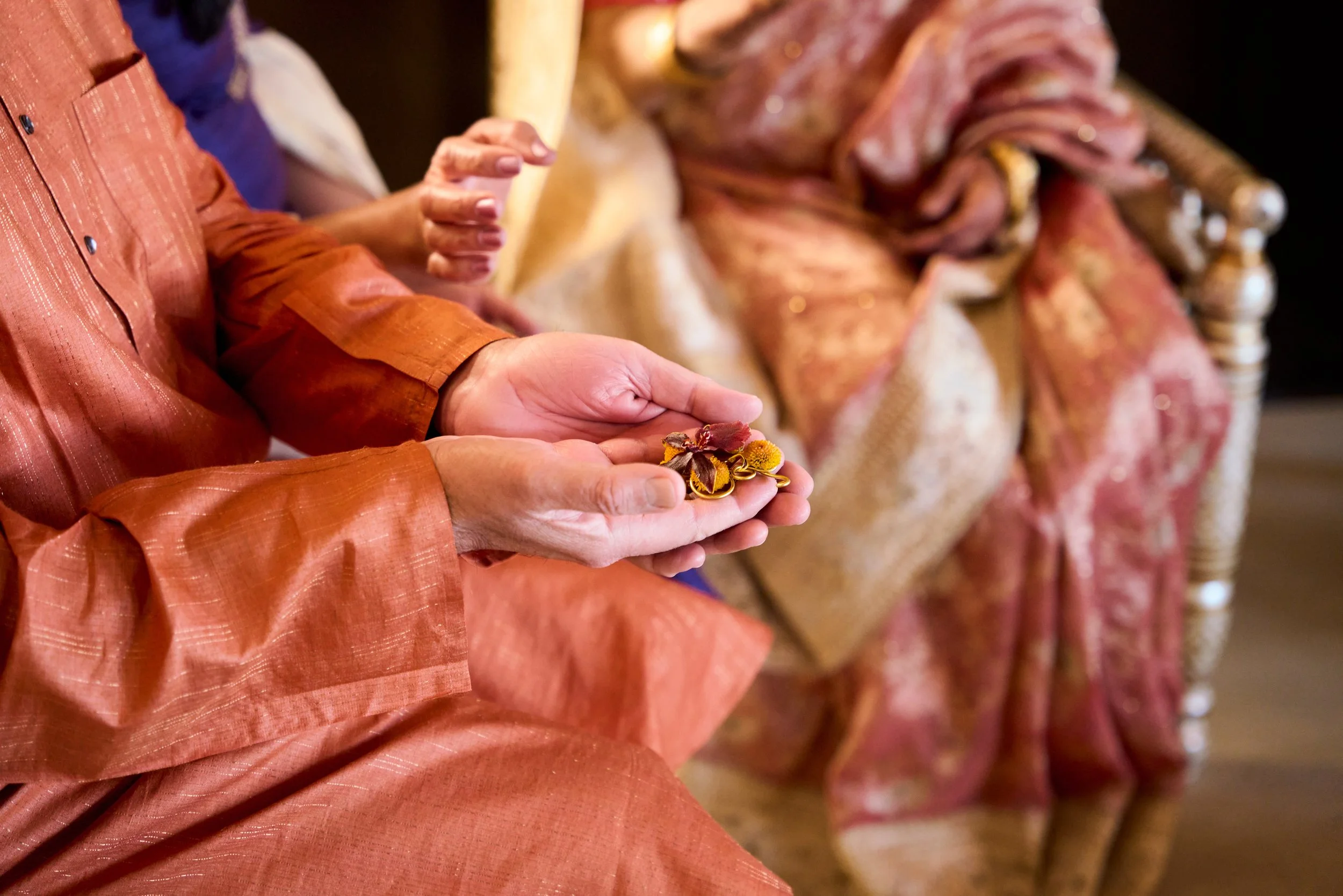
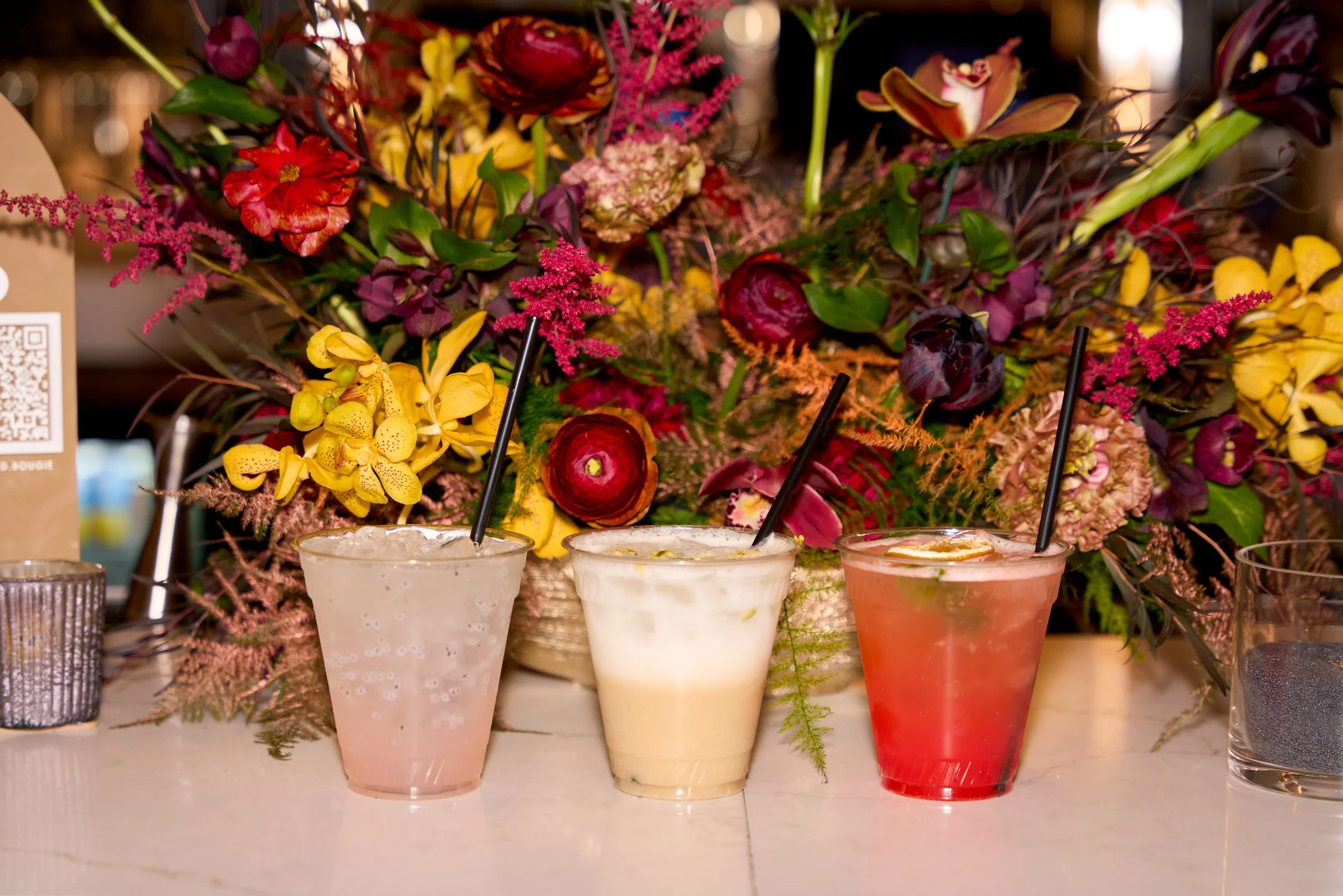
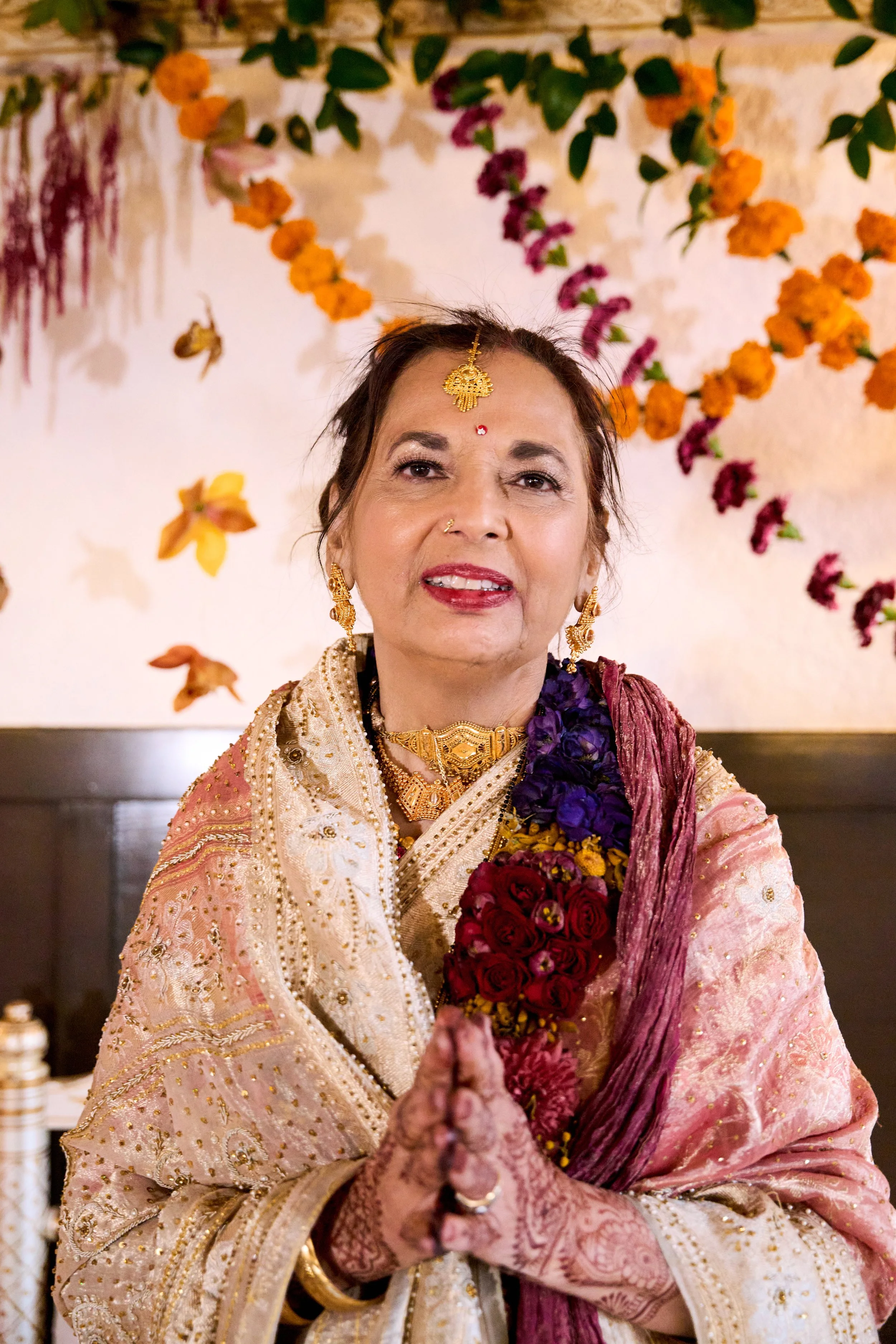
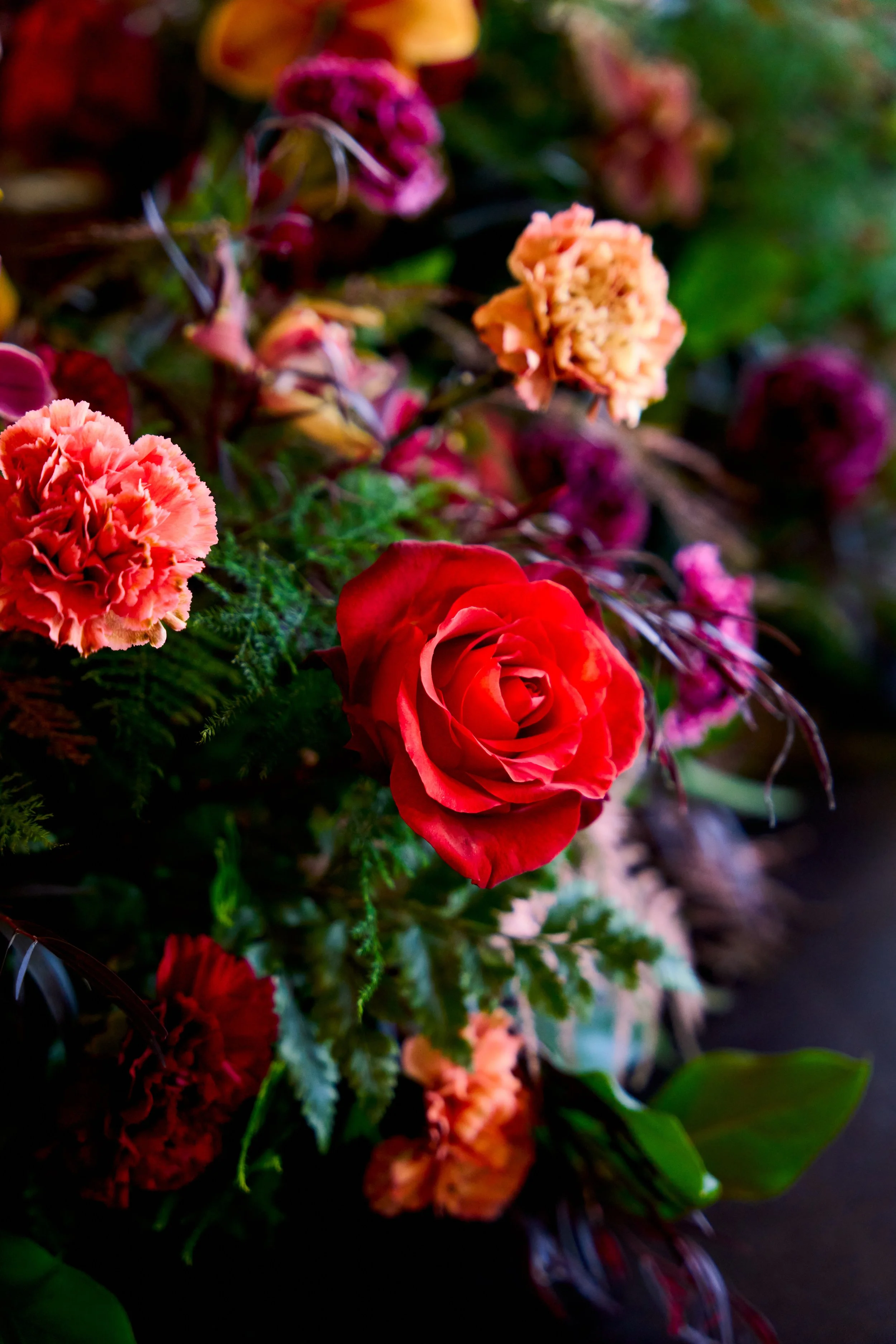
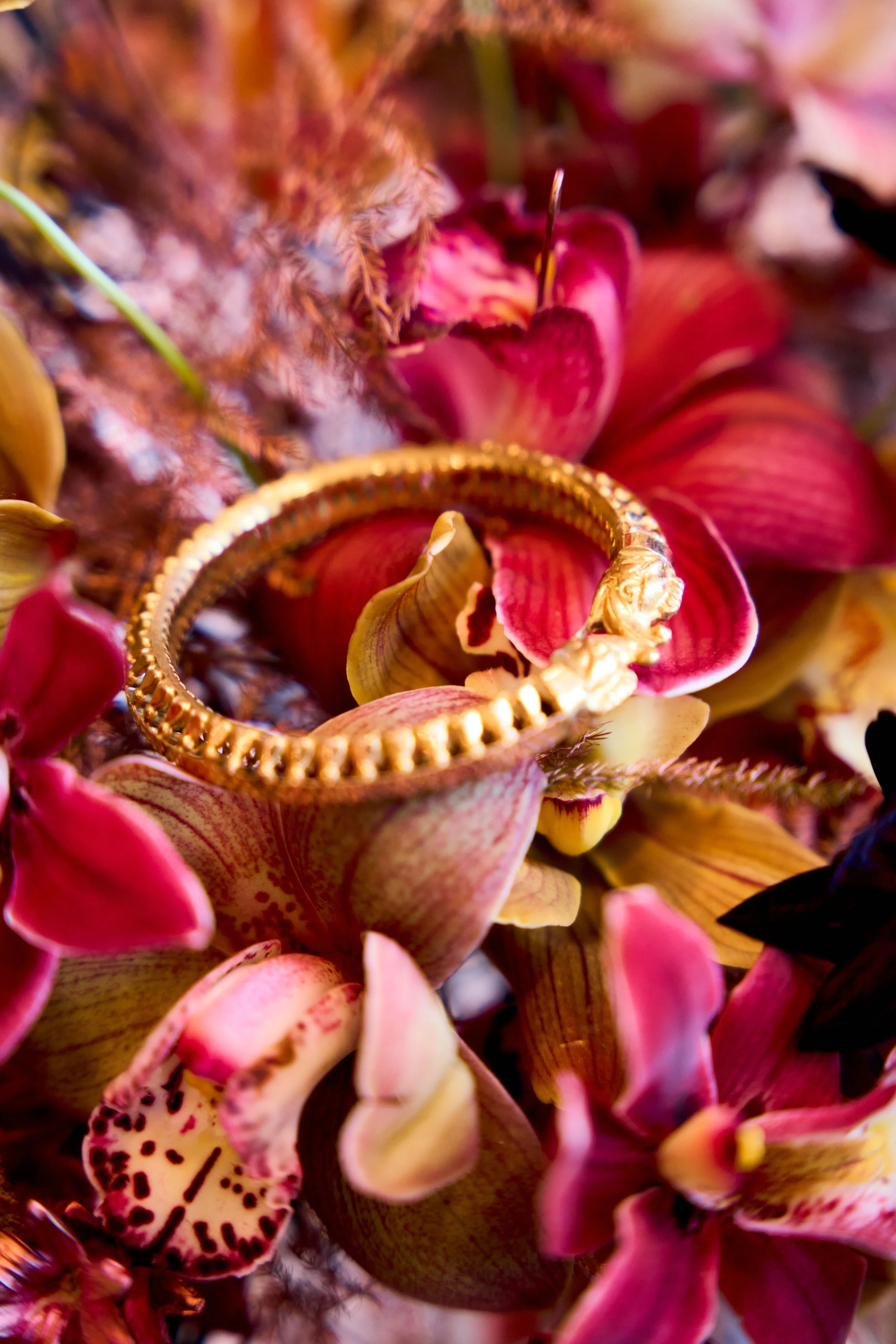
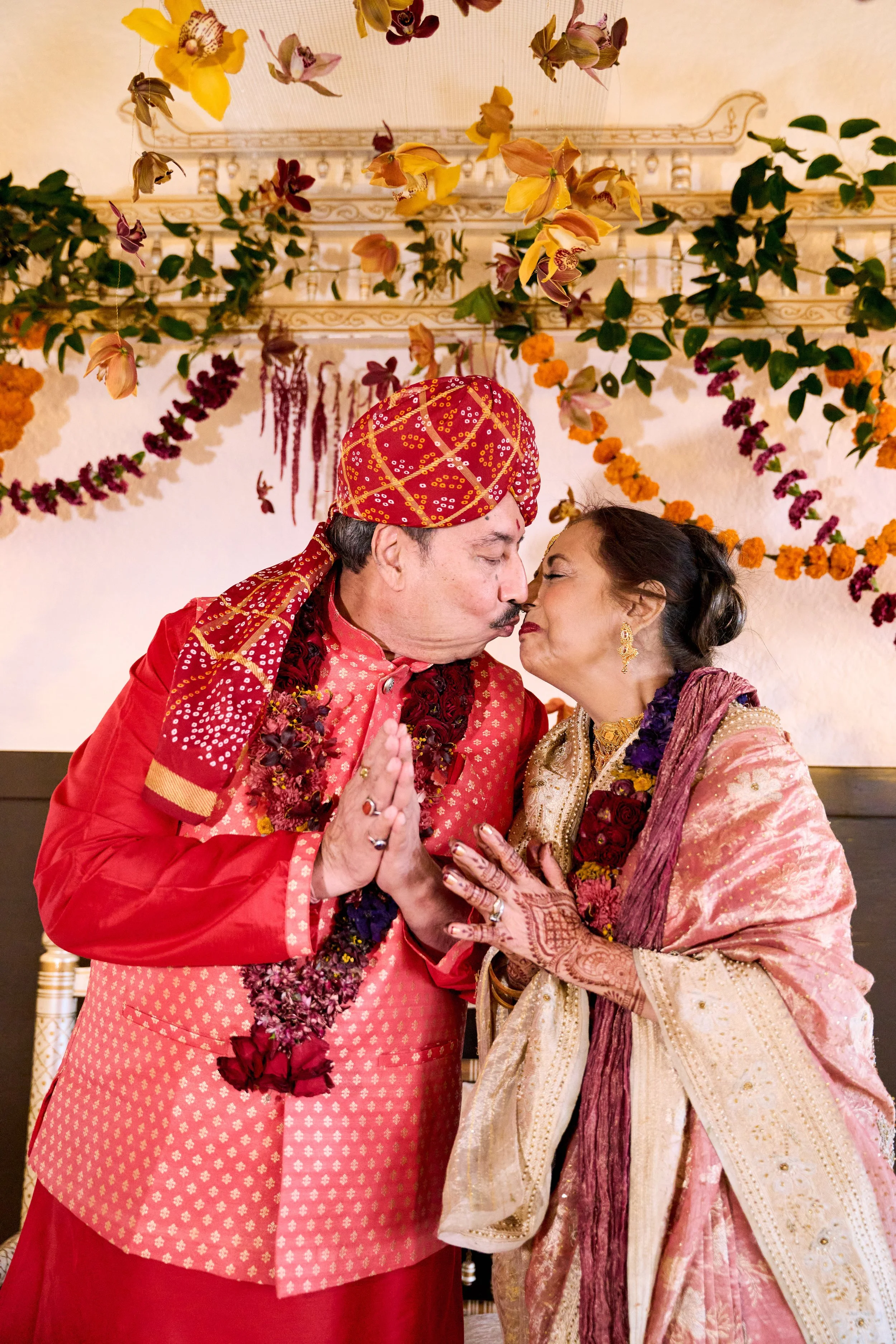
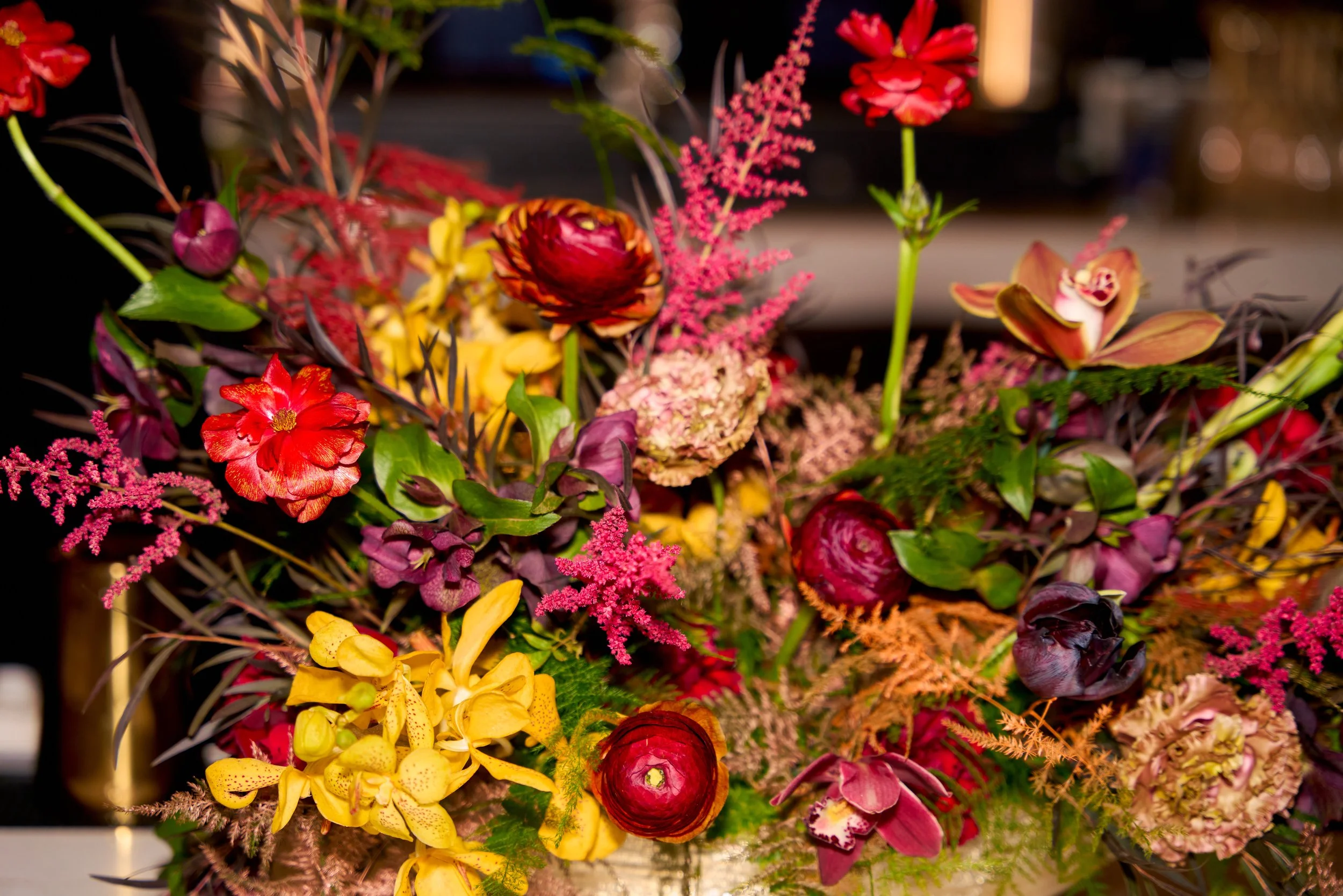
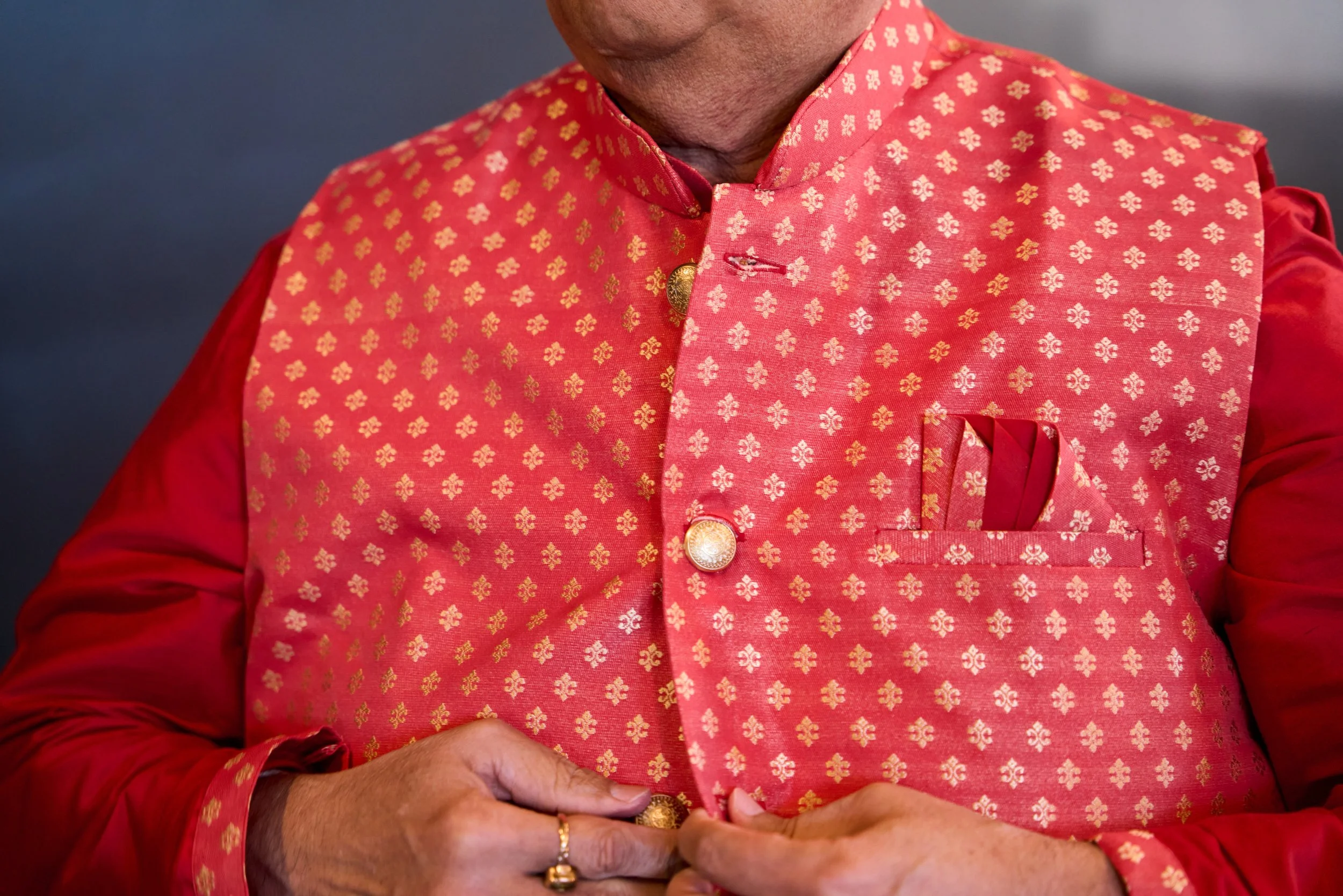
We kept the traditional Indian wedding colors that carry intentional meaning, mostly the reds and golds, and just made them deeper. A little richer and moodier, without losing anything that makes a Hindu wedding feel like a Hindu wedding. That's the real job here: you're not trying to reinvent someone's tradition; you're trying to make it feel like them. Even the cocktail bar followed the same idea, with drinks built around Indian flavors so the details actually tied back to the culture.
Why a Hindu Wedding Needs Full-Service Planning
A traditional Hindu wedding has more moving parts than just about any wedding out there. It's often several events across multiple days: a mehndi, a sangeet, the ceremony, the reception, each with its own setup, guest list, and outfits. There are rituals that have to happen in a specific order, a ceremony that runs on its own clock and can't be rushed, and vendors who may have never worked an Indian wedding in their lives.
That's where full service wedding planning quietly earns its keep. Depending on what your celebration includes, that can mean coordinating events across two or three days, moving guests and vendors between venues without the whole thing stalling, and sorting transportation and hotel blocks for family flying in. It might mean running all the vendor communication so twelve people aren't texting your mom the morning of, flipping a room between the ceremony and the reception, and building real time into the schedule for outfit changes. Some of it is quieter: a timeline that protects your parents and VIPs instead of running them ragged, knowing the ceremony's setup and requirements in advance, handling the catering logistics for a menu that actually matters, running an actual rehearsal, and keeping the guest experience smooth from one event to the next. Since this is Utah, it also means a real weather plan for anything happening outdoors. Not every wedding needs all of that. Someone just needs to be holding whichever pieces yours does.
On the day itself, my job is to carry all of it so your family doesn't have to think about it. I'm the one confirming the horse actually shows up for the baraat, making sure the mandap is built and set before the pandit needs it, walking the caterer through what the menu really means, and keeping enough breathing room in the timeline that a meaningful ceremony doesn't suddenly become a scheduling emergency. Mostly, I'm making sure your parents get to stand in the moment instead of fielding vendor questions in the back. That's the whole reason a wedding this size is worth handing to an Indian wedding planner in Utah who's already done one.
I'll be the first to tell you I'm not the expert on Hindu ritual. Your family is, and so is your pandit. What I bring is the structure around all of it, a design that deepens the tradition instead of watering it down, and enough sense to ask questions instead of assuming I know how your family does things. I'm going to make sure the vendor team understands what is happening before the wedding day instead of figuring it out while you're standing under the mandap. You don't need to hand me your traditions fully figured out. You need someone who'll learn them, respect them, and protect them while you're busy getting married.
Planning an Indian Wedding in Utah: What to Think About
Here's where Utah actually changes the plan. A lot of the advice you'll find online is written for California or Texas, where Indian weddings are everywhere and the venues already know the drill. Utah is a different environment, in a few specific ways worth thinking through early.
Weather, and then more weather. Summers here run hot and dry at midday, and late-summer afternoons can turn into a thunderstorm out of nowhere. Mountain venues near Park City stay cold at night even in July, and the shoulder seasons can throw snow. If any part of your celebration is outdoors, you want a real backup plan, not a vague one.
The sacred fire. The agni fire at the center of the mandap isn't a given at every venue. Open flame gets restricted, especially outdoors and especially in dry, fire-season months, and some venues want it cleared in advance. Confirm this before you fall in love with a space.
The baraat and the horse. A baraat needs room to actually happen, and not every Utah venue allows a horse or has the access for one. Horse vendors here are limited, so if you want that entrance, it books early.
Sound and end times. Plenty of venues and towns have noise limits and hard end times. A dhol drum and a loud, joyful baraat are worth checking against those rules so nothing gets cut short.
Multi-day and catering. Fewer Utah venues are set up to host a full multi-day Indian wedding, and a lot of them have in-house catering or preferred-vendor lists that don't include Indian food. Finding a venue that welcomes your caterer matters more here than it would somewhere with a bigger Indian wedding scene.
None of this is meant to scare you off. It's the opposite. These are the exact questions I ask on your behalf so they're handled long before the wedding week, and it's a big part of what you get from hiring someone local who has actually worked through them.
The Moment I Keep Coming Back To
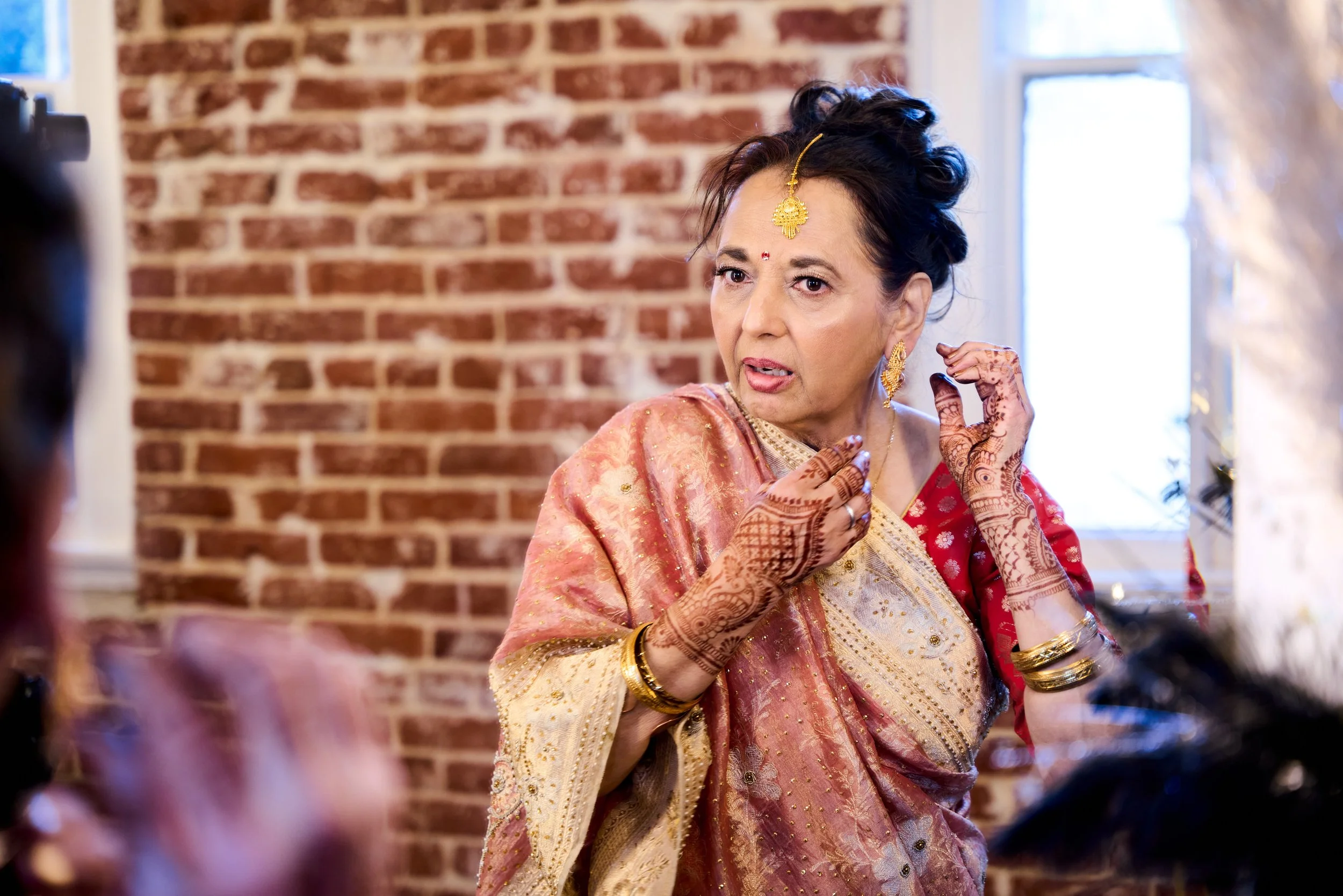
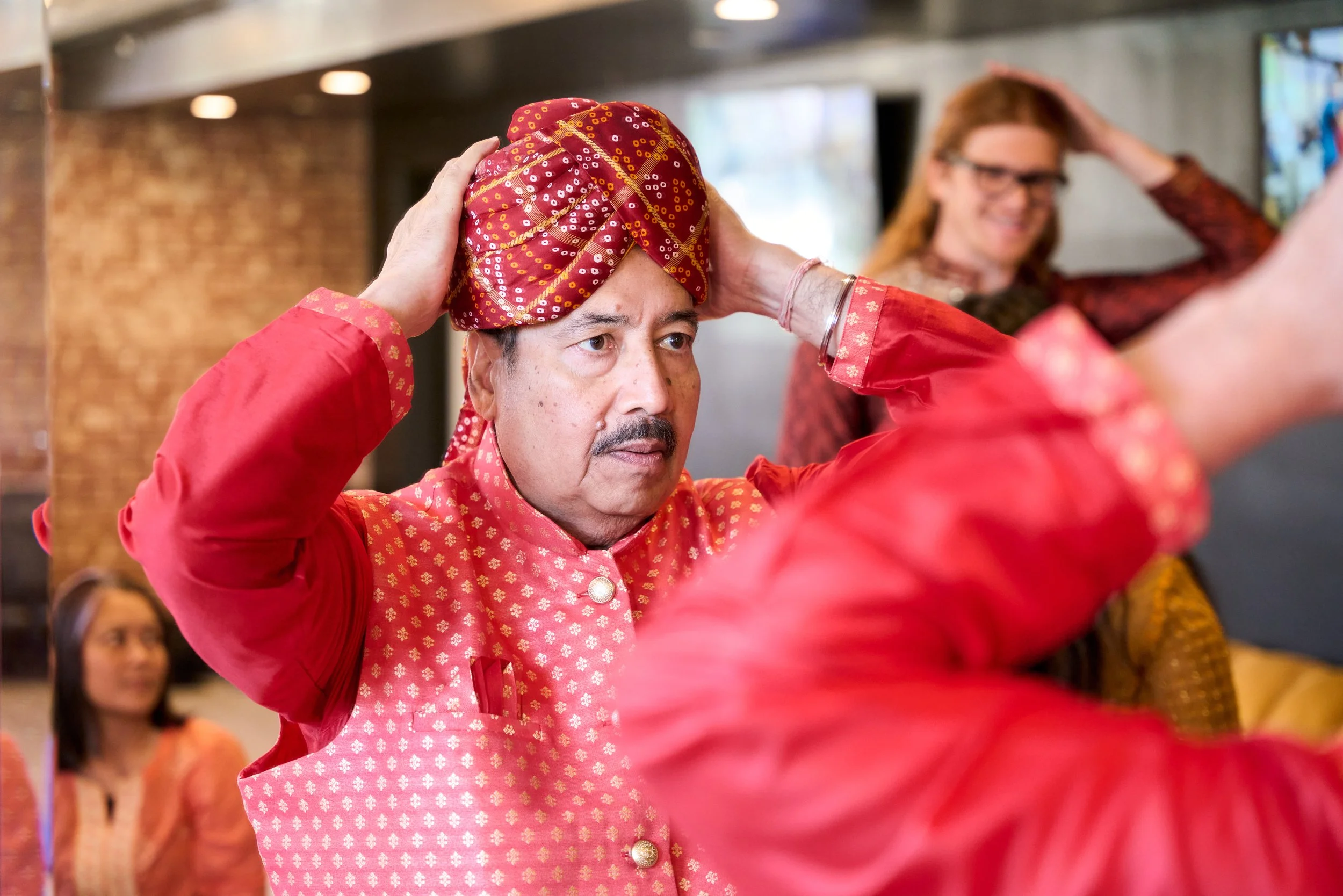
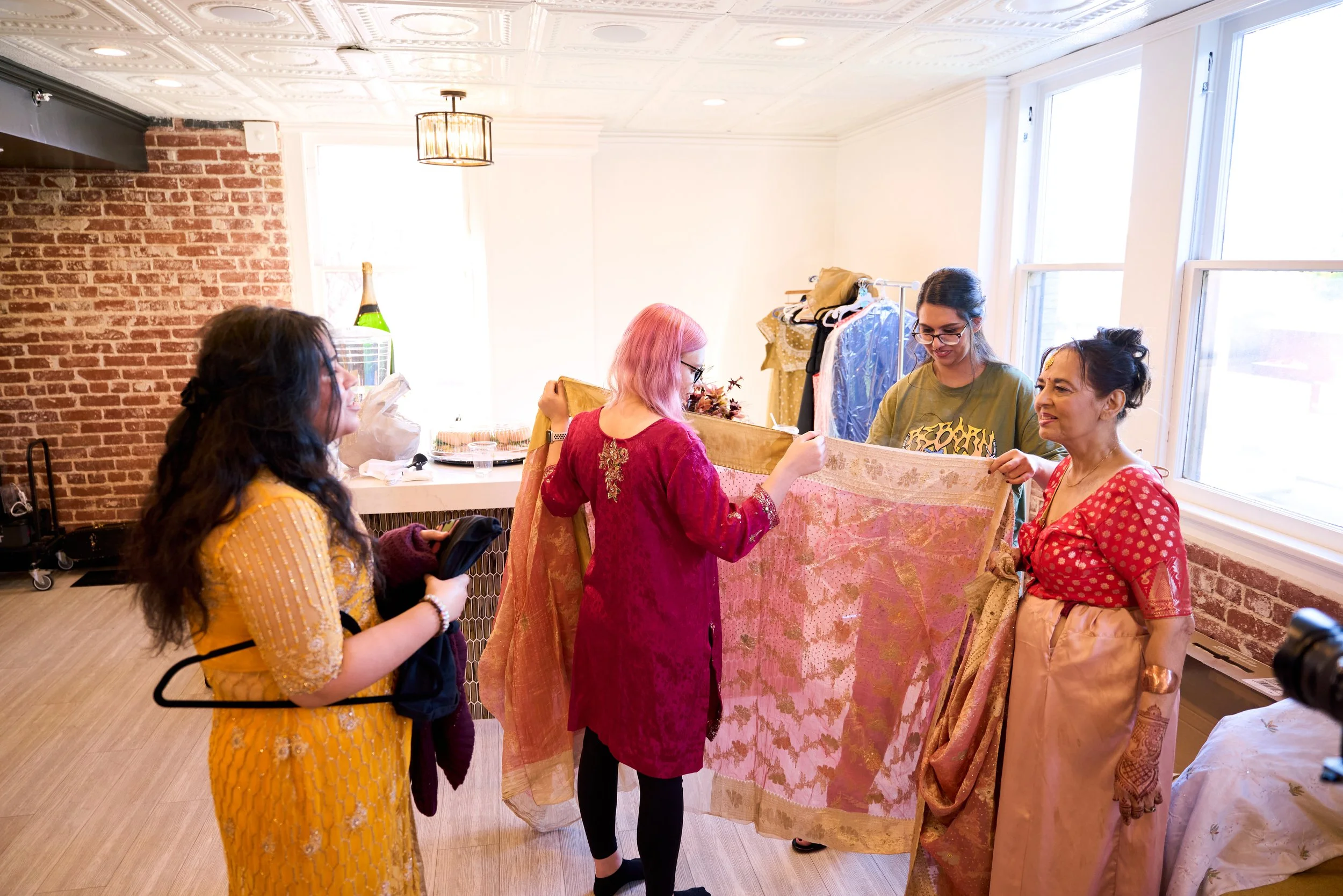
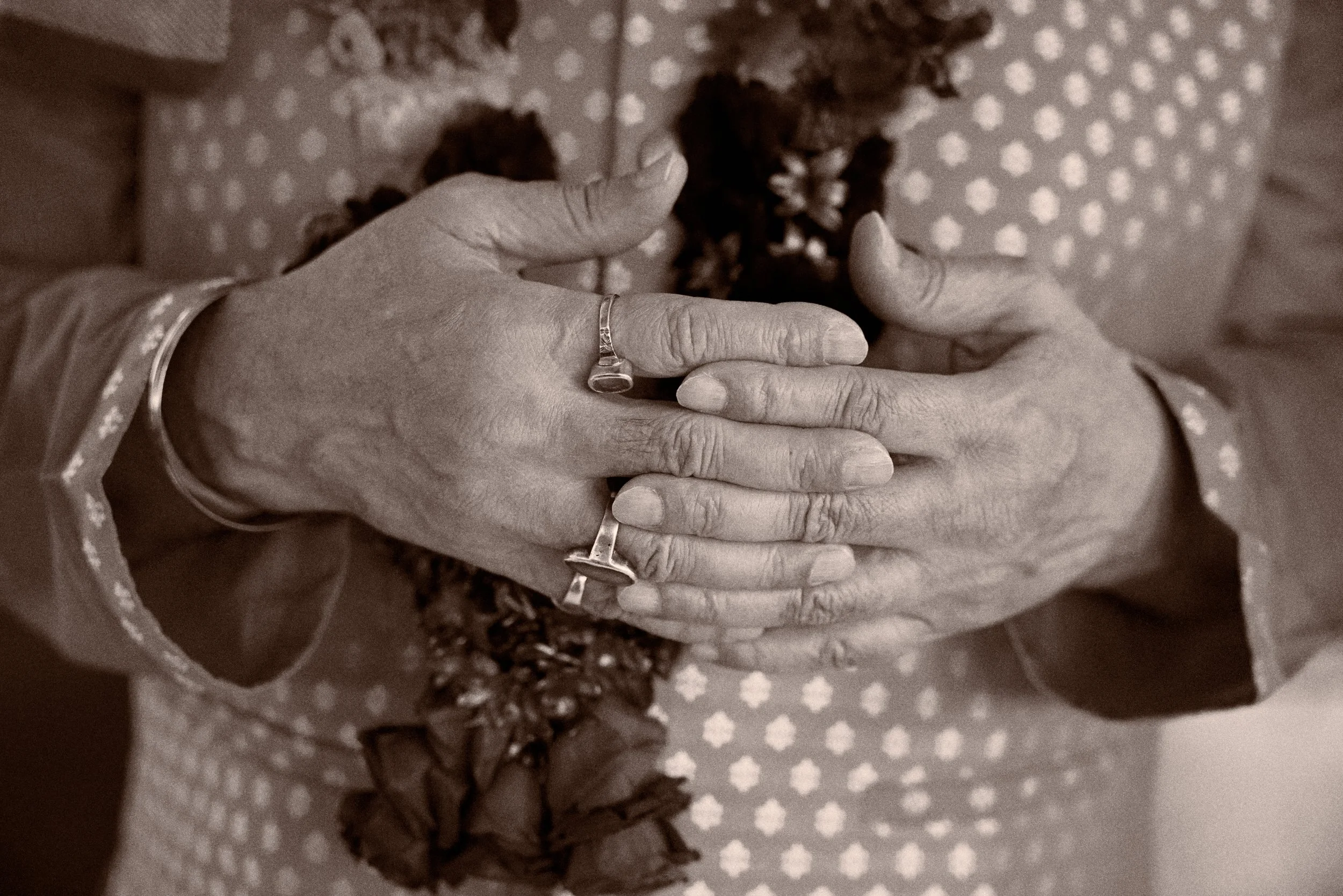
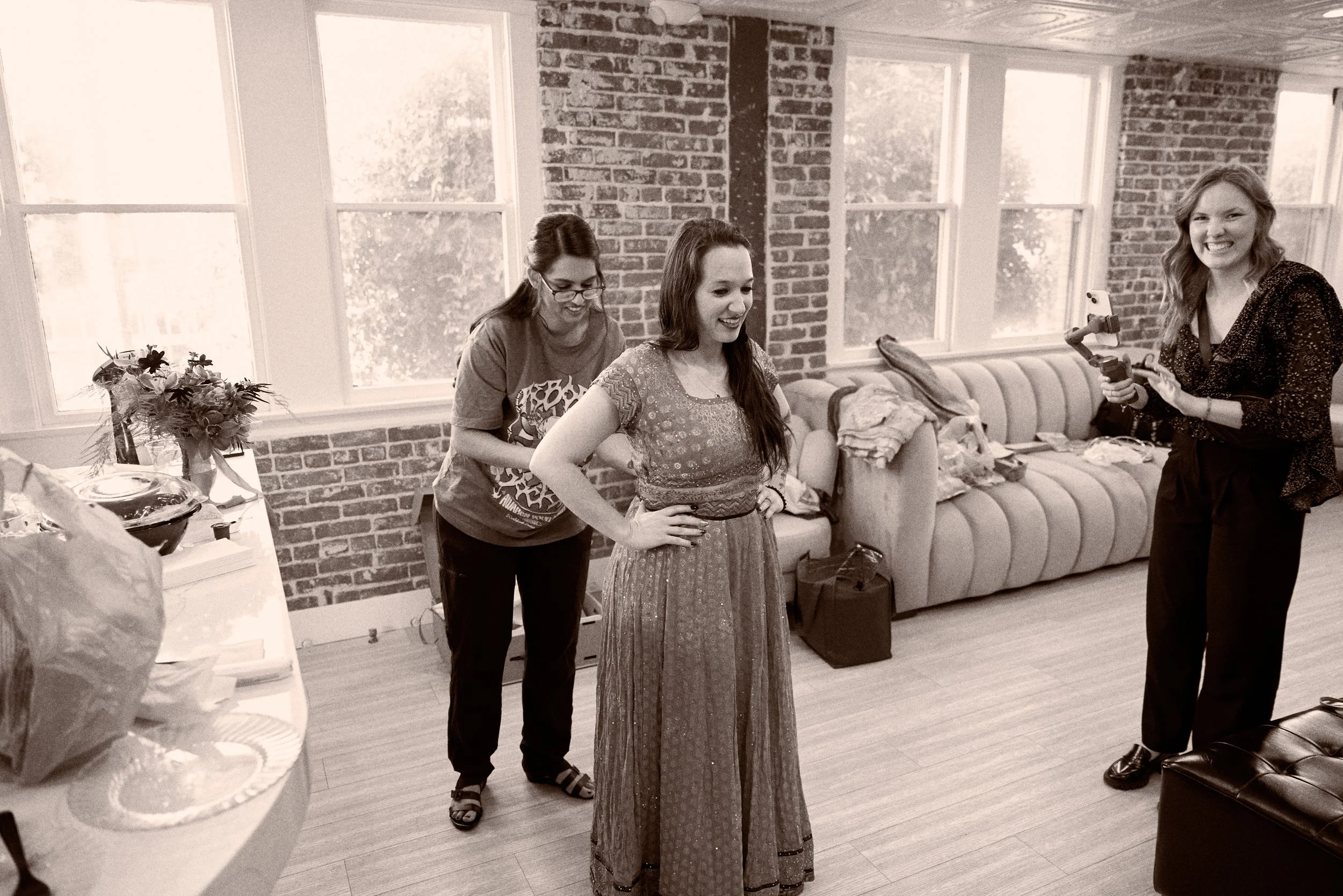
There's one moment from this wedding I keep coming back to. At one point, Sarita handed me a Lehenga Choli so I could actually be part of the celebration instead of just running it, and her daughter helped me get into it and fussed over it until it fit right. I've done a lot of weddings at this point. Nobody has ever pulled me in like that.
My job is usually to be invisible. I'm in the back, on the radio, three steps ahead of a problem nobody else knows is coming yet, and that's honestly how I like it. The day belongs to the couple, not to me. So being handed an outfit and basically told you're one of us today caught me completely off guard. I'm used to giving that kind of care, not getting it. Standing there while her daughter adjusted the fabric, I wasn't the planner for a minute. I was just someone who'd been let into something that clearly mattered to this family.
That's the part that shifted something for me. I came into this wanting to plan more Indian weddings because they're layered, full of meaning, and the logistics give my planner brain plenty to work with. I left wanting to do more because of how it feels to be trusted with a day that means this much to a family. That trust is the thing I don't take lightly, and it's exactly what I want to keep earning.
Looking for an Indian Wedding Planner in Utah?
If you're planning a Hindu or Indian wedding in Utah and you want someone who'll treat your traditions with real care, I'd love to help. I handle the structure and the design, from the baraat to the mandap to the reception, and I take the time to learn how your family does things instead of guessing. You bring the traditions and the people who know them best. I'll build the plan that holds it all together, so the day runs the way it's meant to, and you actually get to be in it instead of managing it.
If that's the kind of planning you're after, send me a note and tell me about your wedding. I want to hear what you're putting together, and I'd be honored to be part of pulling it off.